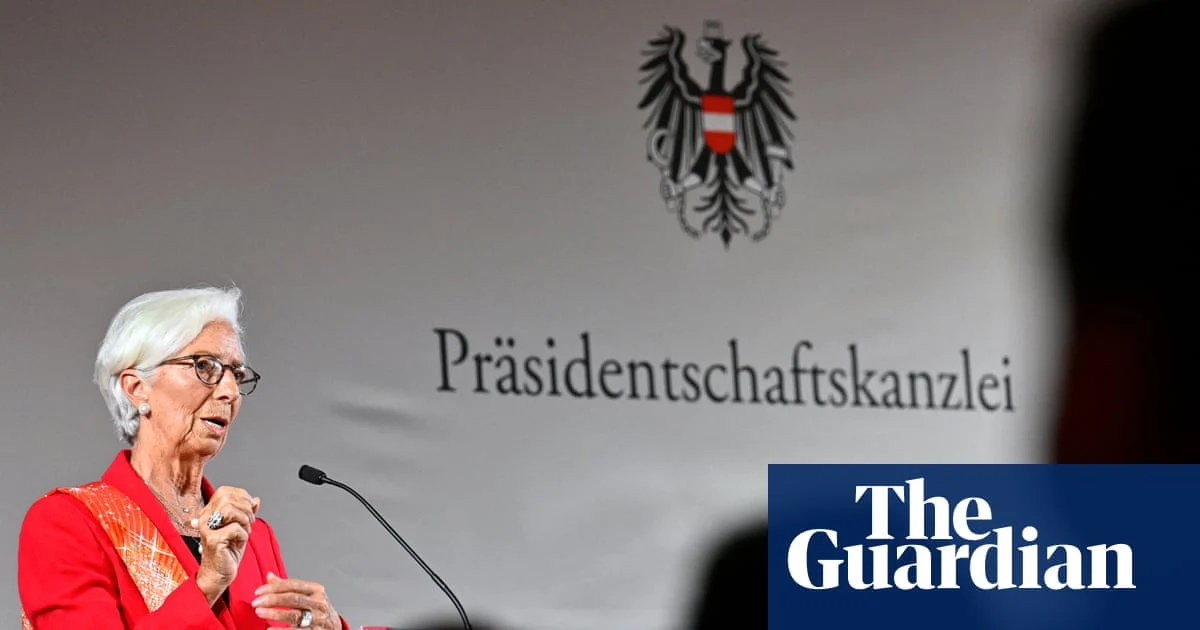
The European Central Bank’s president has warned that Europe must build its own AI capability or risk becoming dependent on the United States or China, leaving the continent vulnerable to external cut-offs during trade disputes. Christine Lagarde made the comments in a speech emphasising strategic autonomy in artificial intelligence infrastructure.
Central bank officials have increasingly signalled concern that Europe lags behind US and Chinese tech giants in AI development. The ECB president argued that owning ‘good enough’ AI models and operating them from European datacentres would reduce the risk of being cut off by foreign suppliers.
Key Facts
- The ECB president says Europe needs its own AI models.
- She says Europe must build more domestic datacentres.
- Lagarde warns dependence could hand leverage to US or China.
- She argues owning ‘good enough’ AI reduces cut-off threats.
Why AI Independence Matters Now
The push for European AI independence follows growing concerns across policymakers about digital sovereignty. Without local AI infrastructure, experts say Europe may struggle to regulate or control powerful technologies developed abroad. The ECB president framed the issue as both economic and security-related, noting how trade partners could use technology access as a bargaining chip.
Building datacentres within Europe would also support cloud computing and data storage regulations already in place. These measures aim to keep sensitive information on the continent while enabling faster deployment of AI tools for business and public services.
How Did We Get Here?
For years, Europe has imported most of its advanced technology from American firms such as Google, Microsoft and Amazon. Meanwhile, China has emerged as a major player in AI research and applications, particularly facial recognition and surveillance systems. This dual reliance has prompted EU institutions to call for greater investment in homegrown innovation.
The lack of competitive European AI startups or large-scale computing facilities has meant few options exist outside US or Asian ecosystems. The ECB president’s remarks align with broader efforts by Brussels to boost high-tech manufacturing and reduce strategic dependencies in sectors like semiconductors and renewable energy.
What We Know — and What We Don’t
Verified by the source:
- The ECB president called for Europe to create its own AI models.
- More datacentres should be built inside Europe, according to her.
- External dependence risks giving leverage to the US or China.
Still unconfirmed:
- No timeline was given for achieving AI self-sufficiency.
- Estimated costs of building new datacentres were not disclosed.
- Names of specific countries or companies targeted remain unclear.
- Exact definition of what counts as ‘good enough’ AI models was not detailed.
Why It Matters
Europe’s ability to match US and Chinese advances in AI could shape everything from banking supervision to healthcare delivery. Falling further behind increases long-term economic risks and weakens negotiating power in global markets. The ECB president’s stance reflects rising urgency among financial leaders about technology-driven disruption and national competitiveness.
What To Watch
Future policy announcements from the European Commission on AI investment packages are expected later this year. Whether sufficient funding materialises to close the transatlantic and Pacific gap remains unclear.