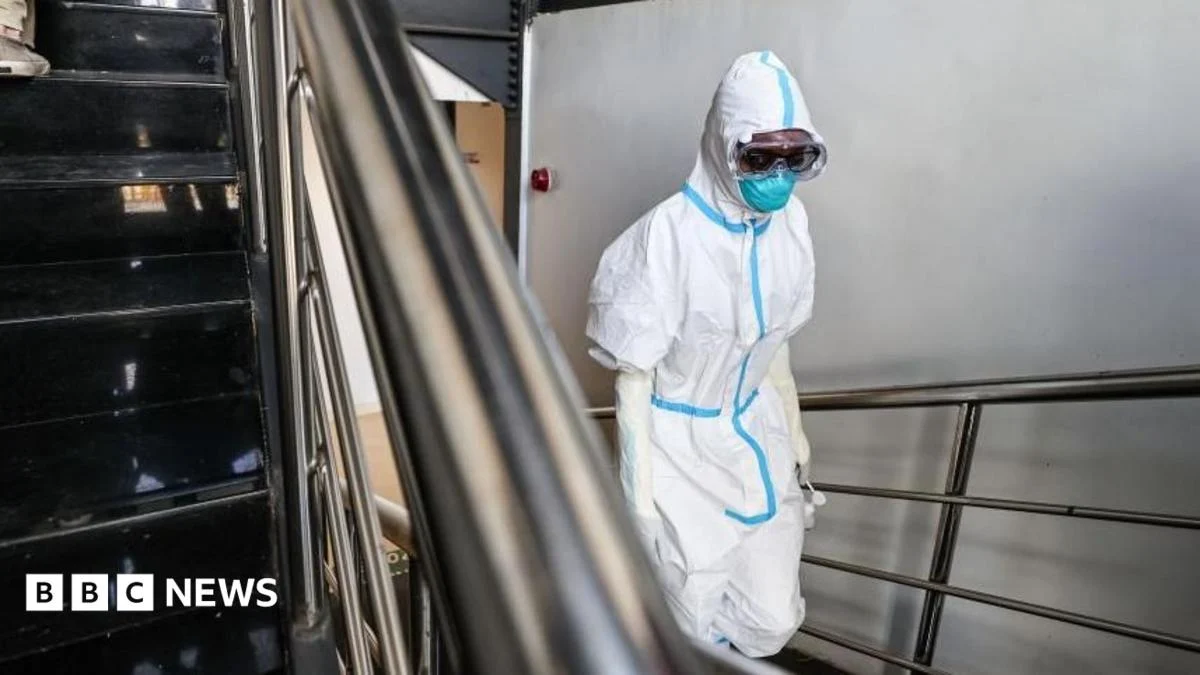
An Ebola patient traveled across three nations undetected, raising serious concerns about health screening and cross-border disease control. The individual, described as a 40-year-old businessman, flew and crossed regional borders while seriously ill, according to BBC News. These developments underscore ongoing challenges in tracking and containing infectious disease outbreaks across multiple countries.
Fresh details have surfaced revealing how the Ebola patient moved freely between nations despite showing signs of severe illness. The case has prompted renewed scrutiny of international health protocols and border monitoring systems designed to prevent the spread of deadly pathogens.
Key Facts
- An Ebola patient traveled across three nations undetected.
- The patient was a 40-year-old businessman.
- He flew and crossed regional borders while seriously ill.
- The case has raised questions about health detection measures.
Who Is Affected?
The Ebola patient’s undetected movement across national boundaries poses risks to public health systems in all three affected nations. Communities along travel routes may have been exposed without knowing it, and healthcare workers now face the challenge of tracing contacts and managing potential outbreaks. International health authorities are likely evaluating whether existing screening protocols at airports, land borders, and other transit points are sufficient to detect symptomatic travelers.
How Did We Get Here?
Details emerged after reports indicated that a seriously ill individual boarded flights and crossed regional borders without being flagged by health officials. This sequence of events suggests possible gaps in pre-departure checks, in-flight response protocols, and cross-national communication between health agencies. The World Health Organization and regional bodies have previously issued guidelines for managing suspected Ebola cases during transit, but this incident highlights how those procedures can fail in practice.
What Happens Next?
Officials in the affected countries are expected to conduct contact tracing and enhance surveillance at points of entry. The outcome will depend on how quickly health authorities can locate and monitor anyone who may have come into contact with the patient. Meanwhile, there are calls for stronger coordination among nations to share real-time health alerts and improve preparedness for future outbreaks.
What We Know — and What We Don’t
Verified by the source:
- The Ebola patient was a 40-year-old businessman.
- He traveled across three nations undetected.
- He flew and crossed regional borders while seriously ill.
- Fresh details have revealed these movements.
- The case has sparked questions about detection systems.
Still unconfirmed:
- The specific countries involved in the patient’s travel.
- The exact timeline of when and where the patient became symptomatic.
- Whether the patient has recovered or remains in treatment.
- The number of people potentially exposed during the journey.
- Official responses or policy changes enacted by governments.
Why It Matters
This case illustrates the persistent danger posed by highly contagious diseases in an interconnected world. Even with advanced warning systems, lapses in implementation can allow infected individuals to pass through multiple countries unnoticed. For readers, this serves as a reminder of how global mobility increases the stakes for public health preparedness and why international cooperation on disease control cannot afford to be fragmented.
What To Watch
Authorities in the affected nations have not yet released detailed reports on containment efforts. Further updates from regional health agencies or the World Health Organization could clarify the scope of exposure and whether new measures will be adopted to prevent similar incidents in the future.