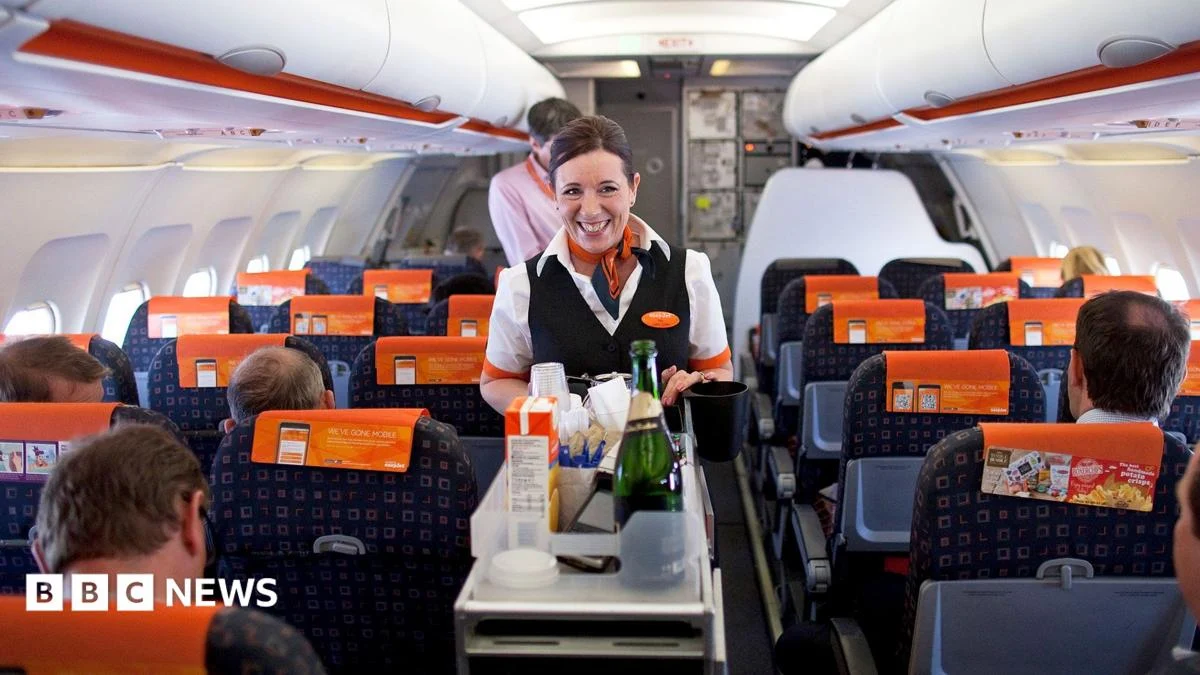
EasyJet has agreed to a £5.7bn takeover by US firm Apollo, a move that marks a significant shift in ownership for the no-frills carrier. The deal comes after a rival suitor dropped out of the bidding process.
The UK-based airline, known for its budget-friendly flights across Europe, has faced financial challenges in recent years, exacerbated by the COVID-19 pandemic. The takeover by Apollo is seen as a strategic move to stabilize the company and potentially expand its operations.
Key Facts
- EasyJet has agreed to a £5.7bn takeover.
- The acquiring firm is US-based Apollo.
- A rival suitor dropped out of the bidding process.
What does the takeover mean for EasyJet?
The takeover by Apollo represents a significant change for EasyJet, which has been a staple in the European budget airline market. Apollo’s acquisition could bring new capital and strategic direction to the airline, potentially helping it recover from recent financial setbacks.
What happens next?
With the agreement in place, the next steps likely involve regulatory approvals and the formal transfer of ownership. Apollo will need to navigate various legal and operational hurdles to complete the acquisition.
What We Know — and What We Don’t
Verified by the source:
- EasyJet has agreed to a £5.7bn takeover by Apollo.
- A rival suitor dropped out of the bidding process.
Still unconfirmed:
- The exact timeline for the completion of the takeover.
- Potential changes to EasyJet’s operations post-acquisition.
Why It Matters
This takeover could have wide-ranging implications for the airline industry, particularly in Europe where EasyJet operates extensively. It may also signal a trend of consolidation in the airline sector, as companies look to recover from the financial impacts of the pandemic.
What To Watch
Observers will be looking for regulatory approvals and any announcements from Apollo regarding their plans for EasyJet.