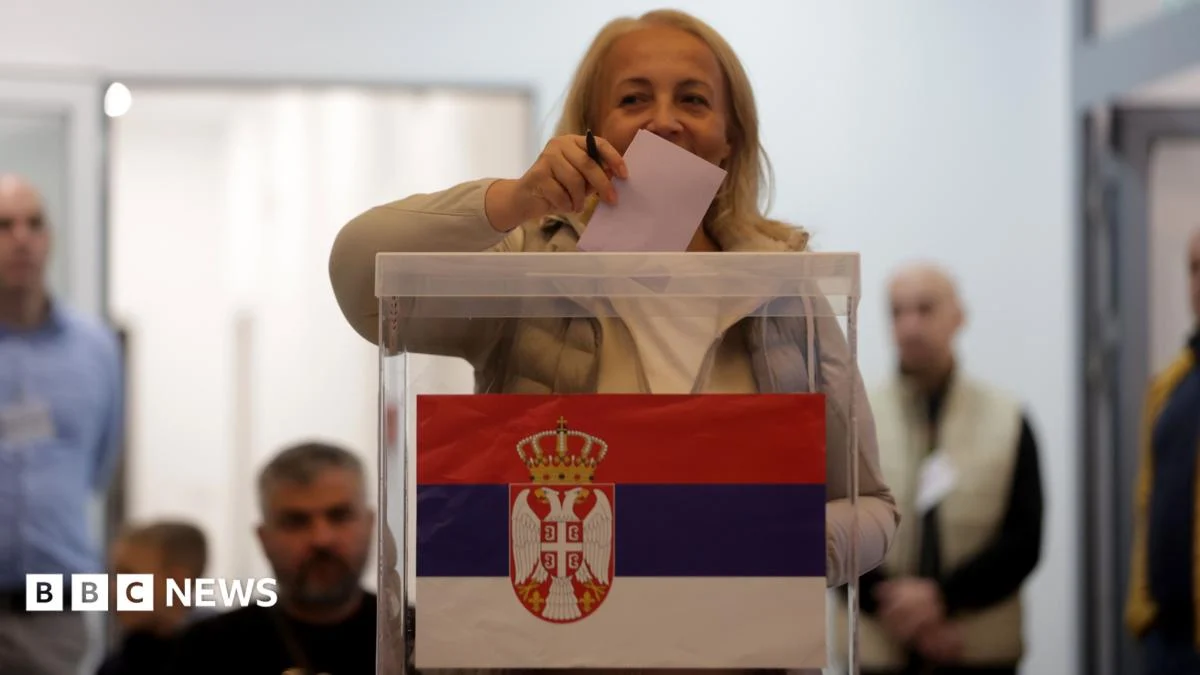
Late-breaking reports indicate that voter turnout in the Serbia elections may have reached unprecedented levels, according to BBC News. The country held a vote amid mounting tension after a student-led movement mobilized to challenge the long-standing rule of populist leader Aleksandar Vučić.
The surge in participation, if confirmed, would mark a pivotal moment in the nation’s democratic trajectory, reflecting heightened public engagement during a period of deep political division. At the heart of the contest stands a coalition of students and civic groups determined to dislodge a leader who has dominated Serbian politics for nearly a decade.
Key Facts
- Early reports suggest record
high turnoutin Serbia elections. - Serbia is heading to the polls as a student movement attempts to
oust longtime leader Aleksandar Vučić. - Source: BBC News — coverage focused on polling dynamics and political stakes.
The Story
What happens next?
If early indicators of elevated turnout hold up under official scrutiny, the results could reshape the balance of power within Serbia’s institutions. A decisive shift away from the ruling party might trigger realignments among alliances and prompt new negotiations over governance priorities.
Analysts note that high turnout often signals voter enthusiasm or concern about future direction. Whether these trends translate into meaningful change will depend on how well emerging voices can institutionalize momentum beyond the ballot box.
Who is affected?
The outcome directly affects millions of eligible voters across urban centers where student activism has gained traction. Younger demographics appear energized, suggesting generational shifts in attitudes toward leadership and reform.
Beyond individual citizens, international observers are watching closely for signs of democratic resilience or strain. Regional stability hinges partly on whether electoral outcomes align with broad societal preferences rather than entrenched interests.
How did we get here?
For years, Aleksandar Vučić’s government maintained control through centralized messaging and gradual consolidation of media influence. However, grassroots mobilization led by students began gaining visibility following controversial policies and limited transparency measures.
These protests evolved into organized campaigns demanding fairer representation, setting the stage for what many describe as the most competitive race in recent memory.
What We Know — and What We Don’t
Verified by the source:
- Early reports point to potentially historic turnout levels in the Serbia elections.
- A student movement emerged aiming to unseat incumbent Aleksandar Vučić.
- Elections proceeded with competitive participation driven by civic engagement.
Still unconfirmed:
- No official turnout figures have been released.
- Exact margins between candidates remain unknown.
- Timeline for final result certification is unspecified.
- Casualty-free status at polling stations is unverified.
Why It Matters
This vote reflects growing demands for accountability in a region where democratic norms face persistent challenges. Sustained civic involvement threatens to redefine norms around power transitions and transparency in governance structures nationwide.
What To Watch
All eyes now turn to verified turnout data and post-election statements from key stakeholders. Shifts in rhetoric or policy direction may signal whether reform aspirations match procedural outcomes moving forward.