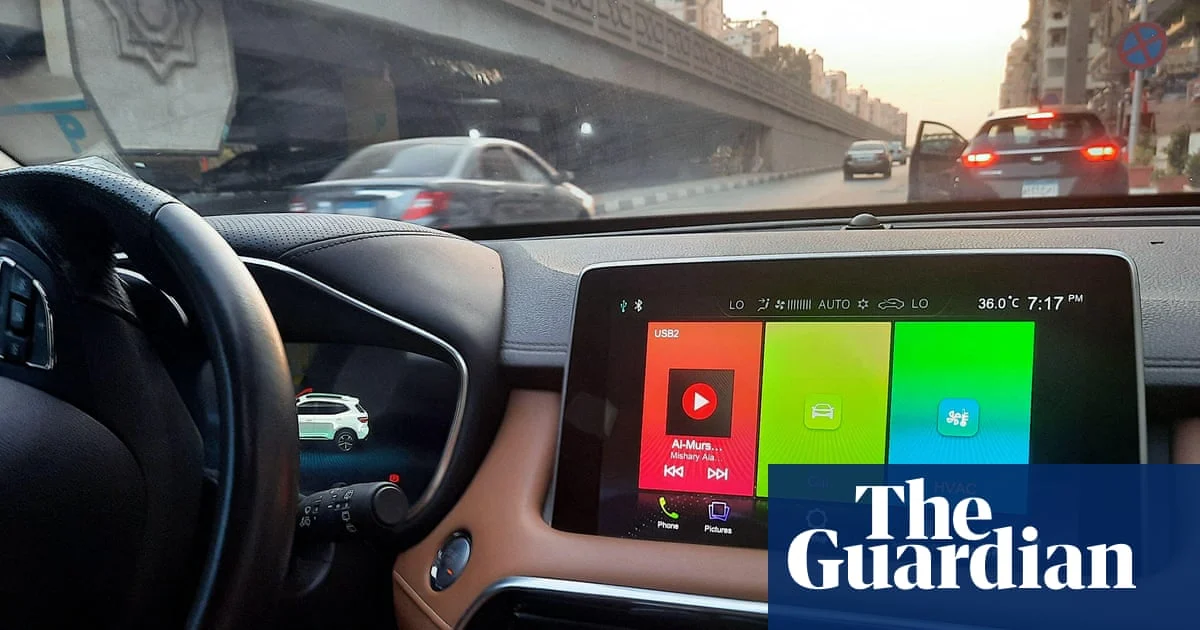
Dutch intelligence has warned that built-in smart features in modern cars, including cameras, microphones, and GPS systems, could allow hostile states to conduct surveillance on drivers. The Dutch General Intelligence and Security Service (AIVD) issued a public alert urging awareness of espionage risks tied to connected vehicle technologies.
The AIVD emphasized that microphones in vehicles can be activated remotely, enabling real-time eavesdropping on private conversations. Similarly, GPS tracking and onboard cameras may be accessed without the driver’s knowledge, potentially exposing personal routines and sensitive locations. While the warning focuses on general risks, it emerges amid broader international scrutiny of technology sourced from certain foreign manufacturers.
### Key Facts
– Smart car features include microphones, cameras, and GPS trackers.
– The Dutch General Intelligence and Security Service (AIVD) issued the warning.
– Microphones can be switched on remotely to listen to conversations.
– Concerns relate to surveillance by hostile states.
– Risks are linked to modern connected vehicles and foreign technology imports.
### What Risks Do Smart Car Features Pose?
Connected cars rely on internet-enabled systems for navigation, entertainment, and communication. These same systems can create entry points for cyber intrusions. For example, a compromised microphone might feed live audio to an external server, while unauthorized GPS access could reveal a driver’s home address, workplace, or travel patterns. The AIVD notes that such capabilities do not require physical tampering, meaning surveillance could begin the moment a vehicle connects to a network.
Automakers increasingly integrate advanced infotainment and driver-assistance systems into new models. While these features enhance convenience and safety, they also expand the attack surface for malicious actors. Security researchers have previously demonstrated how hackers can gain remote control of certain vehicle functions, reinforcing concerns that smart cars may be vulnerable to exploitation by nation-state adversaries or criminal groups.
### Who Is Affected and How Did This Escalate?
Drivers of modern vehicles equipped with connectivity features are potentially at risk, regardless of make or model. The AIVD has not specified particular brands or countries, but its timing coincides with ongoing geopolitical tensions involving technology supply chains. Many vehicles sold globally incorporate components manufactured in jurisdictions where government oversight of data access may differ from Western standards.
In recent years, several European governments have raised alarms about the national security implications of importing consumer electronics from state-linked vendors. Similar concerns have surfaced in discussions about 5G infrastructure and mobile devices. The AIVD’s advisory reflects a growing trend among democratic nations to evaluate the intelligence implications of ubiquitous connected technologies.
According to Business | The Guardian, the Dutch intelligence service cautioned that smart features in cars can be used to snoop on drivers. Experts say this follows prior concerns over Chinese tech imports and data access by foreign governments.
### Verified By The Source:
– Smart car features such as microphones, cameras, and GPS can be accessed remotely.
– The AIVD warned about potential surveillance by hostile states.
– Microphones may be switched on without the driver’s knowledge.
– Concerns were tied to broader fears over foreign technology imports.
### Still Unconfirmed:
– Specific car brands or models identified as higher risk.
– Whether any confirmed cases of vehicle-based surveillance have occurred.
– Technical methods used by hostile actors to access smart car systems.
– Direct involvement of any particular government or manufacturer.
### Why It Matters
As vehicles become rolling computers, the line between personal privacy and digital exposure blurs. Surveillance through cars could undermine trust in emerging automotive technologies, affect consumer demand, and influence trade policies. Governments worldwide must balance innovation with security as connected devices multiply across daily life.
### What To Watch
Officials have not detailed planned regulatory responses, and no major automaker has publicly commented on the AIVD’s warning. Future developments may include new cybersecurity guidelines for connected vehicles or updated import screenings for high-tech components.