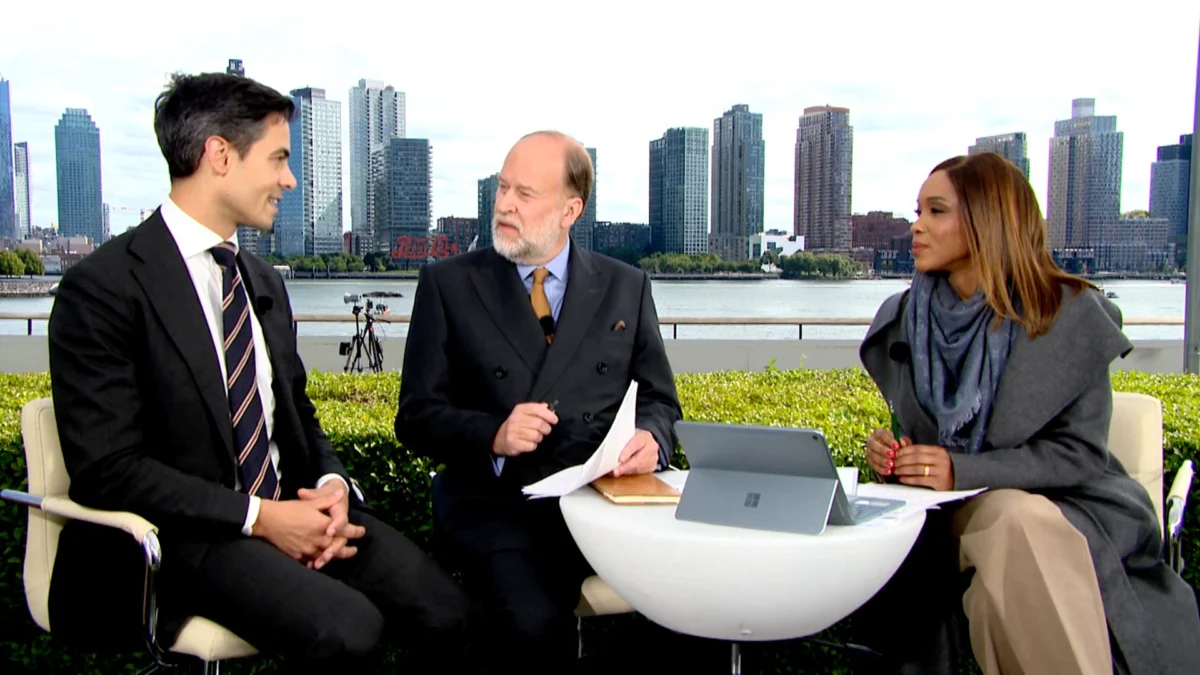
Dutch Prime Minister Rob Jetten has stated that Israeli Prime Minister Benjamin Netanyahu should attend the United Nations General Assembly despite an existing ICC arrest warrant. His remarks highlight diverging views among world leaders regarding legal obligations tied to international warrants.
The contrasting stance on two leaders facing ICC action underscores how different governments interpret international law and diplomatic engagement. Jetten’s position comes as global attention intensifies on whether wanted leaders can or should participate in multilateral forums.
KEY FACTS
- Dutch PM: Rob Jetten
- Stated: Netanyahu should attend UNGA
- Context: ICC arrest warrant exists
- Contrast: Stance differs on Putin vs Netanyahu
Who Is Affected?
World leaders navigating diplomatic protocol versus international legal obligations are directly affected by such statements. Governments must weigh participation in global forums against obligations tied to ICC warrants. Legal experts often debate whether head-of-government immunity shields leaders from arrest. The Dutch PM’s stance signals one country’s interpretation of balancing diplomacy and justice. Other nations may adjust their policies based on how this plays out publicly.
How Did We Get Here?
International Criminal Court arrest warrants have increasingly placed countries at odds with legal and diplomatic norms. Previously, similar tensions arose when Russian President Vladimir Putin faced warrants, leading some nations to restrict visits. Now, Israeli leadership faces comparable scrutiny after an ICC action. These situations test long-standing principles about sovereign immunity versus accountability. As multilateral diplomacy continues, leaders like Jetten articulate positions that could reshape precedent.
What We Know — and What We Don’t
Verified by the source:
- Dutch PM Rob Jetten supports Netanyahu attending UNGA
- An ICC arrest warrant exists against Netanyahu
- Jetten holds a contrasting stance on Putin and Netanyahu
Still unconfirmed:
- Exact wording of Jetten’s full statement
- Official Dutch government policy beyond this remark
- Timeline of any upcoming diplomatic meetings involving Netanyahu
Why It Matters
How democracies respond to ICC warrants involving sitting leaders influences international legal credibility and diplomatic precedent. Public disagreements like this reflect broader tensions between justice and statecraft that shape global governance today.
What To Watch
Future UNGA sessions and bilateral meetings may reveal whether other nations echo or challenge the Dutch PM’s approach to ICC-wanted leaders attending international events.