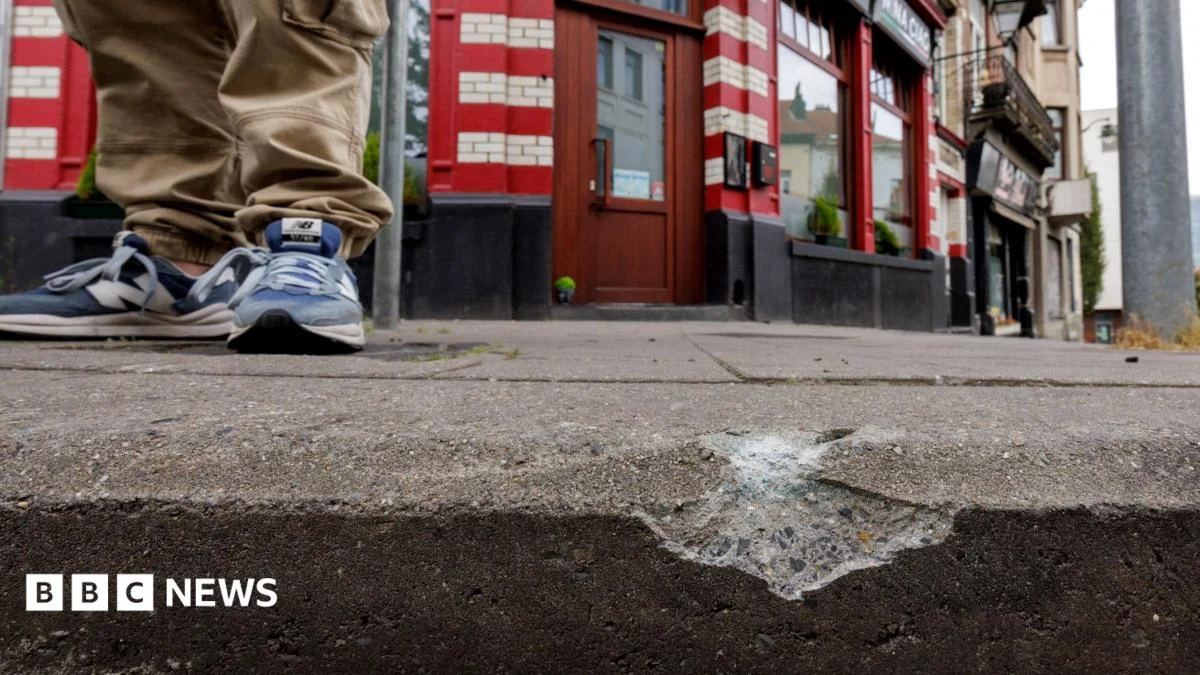
Brussels is experiencing a sharp increase in drug-related violence, with more than 65 shootings reported in the Belgian capital this year. The surge in crime is linked to escalating conflicts between drug gangs, according to BBC News.
The rise in shootings highlights growing concerns over public safety and the influence of organized crime in the city. Authorities have yet to release detailed plans to address the crisis, but the situation remains a priority for law enforcement.
KEY FACTS
- More than 65 shootings have occurred in Brussels this year.
- The violence is linked to drug crime.
- The situation is described as a surge in violence by BBC News.
What is driving the violence?
The increase in shootings is attributed to conflicts between drug gangs operating in Brussels. These groups are competing for control over lucrative drug markets, leading to violent confrontations. The city’s central location in Europe makes it a strategic hub for drug trafficking, exacerbating the problem.
How is the city responding?
Local authorities have acknowledged the rise in violence but have not yet outlined specific measures to combat it. Police presence has been increased in affected areas, but the long-term strategy remains unclear. Residents are calling for stronger action to restore safety.
WHAT WE KNOW — AND WHAT WE DON’T
Verified by the source:
- There have been over 65 shootings in Brussels this year.
- The violence is connected to drug gang activity.
Still unconfirmed:
- The exact number of casualties or arrests related to the shootings.
- Whether the violence is spreading to other cities in Belgium.
WHY IT MATTERS
The surge in drug-related violence in Brussels underscores the challenges cities face in combating organized crime. The situation not only threatens public safety but also risks destabilizing communities and undermining trust in local authorities. For more on global crime trends, see our war and geopolitics archive.
WHAT TO WATCH
Authorities are expected to announce new measures to address the violence, but the timeline and effectiveness remain uncertain. The coming months will be critical in determining whether the situation improves or worsens.