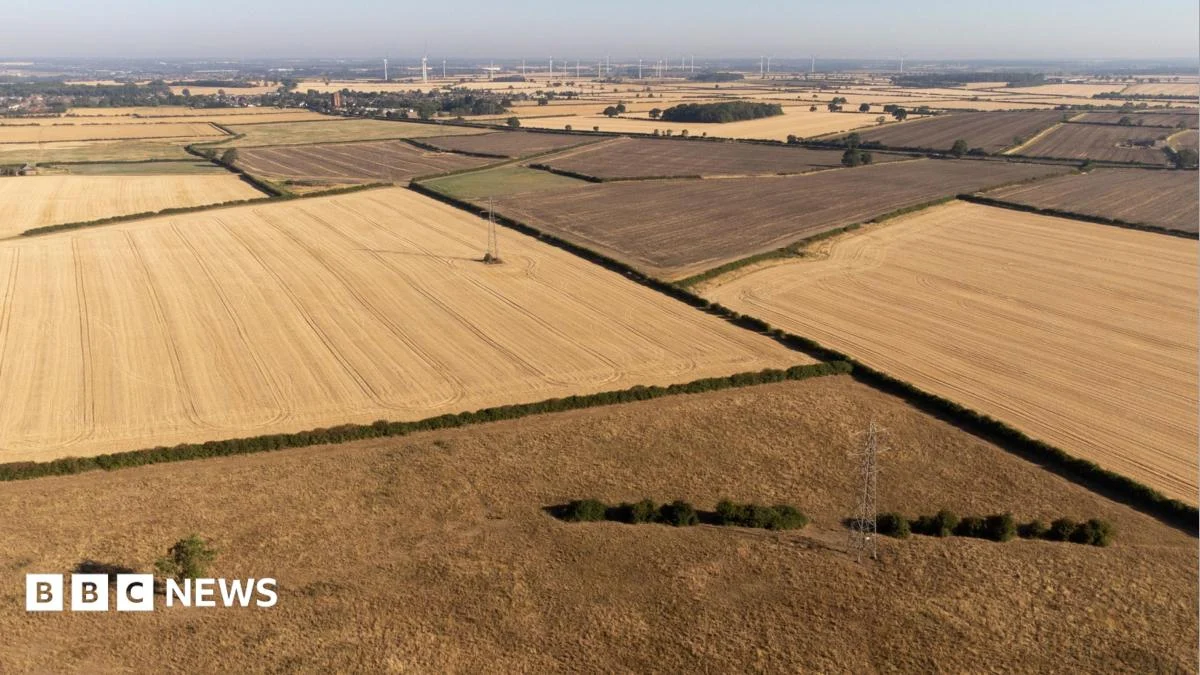
The NFU president has warned that a prolonged drought could lead to a food shortage in the UK, affecting the availability of some produce.
Tom Bradshaw is calling on the government to take action to prevent extreme weather from threatening the UK’s food supply.
Key Facts
- Prolonged drought could cause shortage of some foods.
- NFU president Tom Bradshaw calls on the government to take action.
- The action aims to prevent extreme weather affecting the UK’s food supply.
Who is affected by the risk?
The warning from the NFU president highlights that anyone who relies on domestic food production could feel the impact of a drought‑driven shortage. Farmers may see lower yields for crops and reduced pasture for livestock, which could affect their income and ability to supply markets.
Retailers and food processors might face tighter supplies of certain items, potentially leading to higher prices or limited choice on shelves. Consumers, especially those who depend on affordable staples, could experience changes in what is available and how much they pay for groceries.
While the exact scale of any effect remains uncertain, the union’s concern is that prolonged dry weather threatens the stability of the UK’s food chain from field to fork.
What would a food shortage mean for consumers?
A food shortage, as described by the NFU president, would mean that some products become harder to find in shops. This could affect fresh vegetables, fruits, grains or dairy items that rely heavily on consistent water supplies for growth.
When supplies fall, retailers often respond by raising prices or importing more goods from abroad, which can add cost and environmental impact. Households on tight budgets may feel the squeeze most acutely, needing to adjust meal plans or seek alternatives.
The NFU’s warning stresses that preventing such a scenario requires early action to protect crops and livestock from the effects of extended dry periods, helping to keep steady supplies flowing to consumers.
What steps does the government need to take?
Tom Bradshaw’s call for government action focuses on measures that could reduce the risk of extreme weather damaging food production. This includes supporting farmers with better water management, investing in drought‑resilient crops, and improving irrigation infrastructure where feasible.
The union also urges policies that help farms adapt to changing weather patterns, such as providing advice on soil health, promoting sustainable farming practices, and ensuring access to emergency water supplies during prolonged dry spells.
While the specific details of any government response have not been outlined in the source, the NFU president’s message is clear: proactive steps are needed now to safeguard the UK’s food supply against future drought‑related threats.
What We Know — and What We Don’t
Verified by the source:
- Prolonged drought could cause shortage of some foods.
- NFU president Tom Bradshaw calls on the government to take action.
- The action aims to prevent extreme weather affecting the UK’s food supply.
Still unconfirmed:
- Which specific foods are most at risk of shortage.
- Timeline for when a shortage might emerge if drought continues.
- Details of any government measures already planned or under discussion.
- Exact financial or logistical support the NFU expects from officials.
Why It Matters
The prospect of a food shortage ties directly to everyday concerns about grocery costs, meal planning, and the reliability of what we put on our tables. Even a modest disruption in domestic production can ripple through supply chains, affecting prices and availability for millions of households across the country.
What To Watch
Observers will look for any official statements or policy announcements from the government regarding drought mitigation and support for farmers. Future weather forecasts and updates on reservoir levels will also indicate whether the risk of a food shortage is growing or receding.