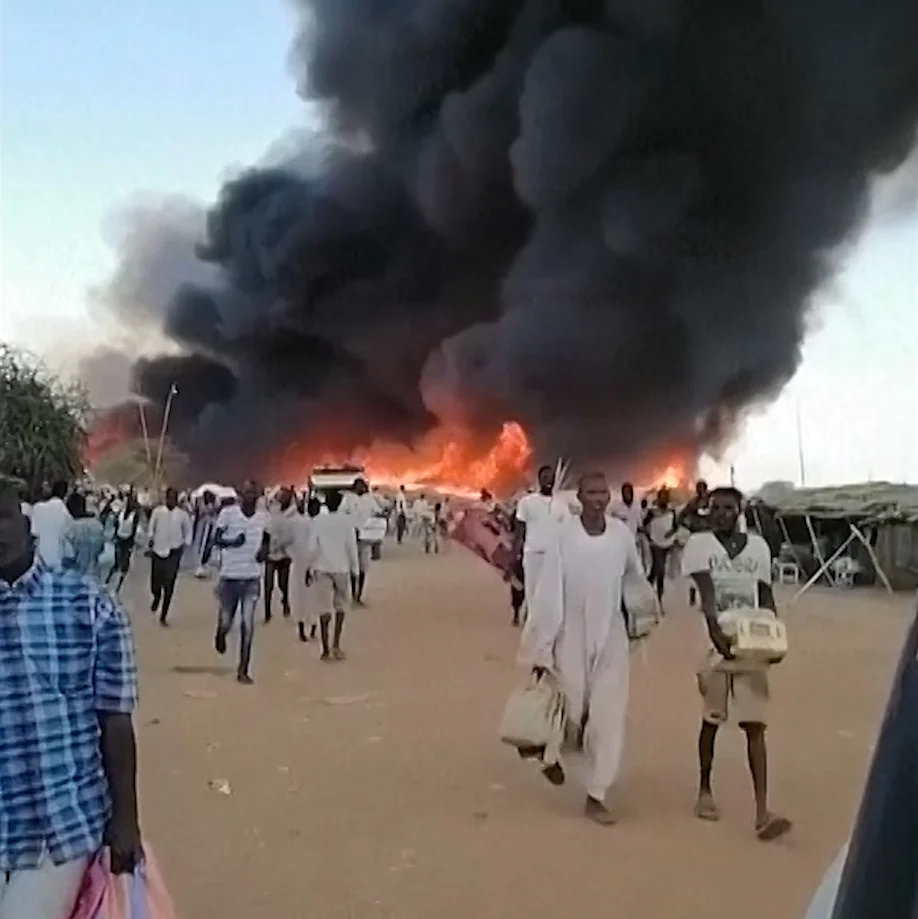
A drone strike in the Abyei region of Sudan killed more than 150 people during the ongoing civil war, underscoring how both sides are increasingly using unmanned aerial systems to inflict damage across vast distances. These attacks have resulted in a significant toll on civilians caught in the crossfire. The conflict has entered a new phase where remote warfare is reshaping traditional battlegrounds and expanding the reach of combat operations far beyond front lines.
The use of drones marks a shift from conventional ground warfare to aerial bombardment, allowing forces to target locations hundreds of kilometers away without direct troop deployment. This tactic amplifies civilian harm due to limited precision and oversight in active war zones.
Key Facts
- A drone strike in Abyei killed more than 150 people.
- The attack occurred during Sudan’s ongoing civil war.
- Both warring sides use drones to strike across vast distances.
- Civilian populations bear the brunt of these drone attacks.
- Remote warfare is escalating destruction in previously stable areas.
What Happens Next?
Drone technology has lowered barriers to entry for aerial combat, enabling even modestly equipped groups to project power over wide areas. In Sudan’s civil war, this means front lines are no longer fixed — attacks can originate from anywhere and hit targets deep inside opposing territory. As both sides acquire more drones, expect further expansion of aerial strikes and increased risk to civilians in urban centers like Abyei.
Regional powers may intervene diplomatically or militarily if civilian deaths continue rising unchecked. Humanitarian access will likely remain restricted unless international pressure forces negotiations. Meanwhile, global arms suppliers are watching closely as Sudan becomes a testing ground for next-generation combat drones used by non-state actors.
Who Is Affected?
Civilians suffer disproportionately from remote drone warfare. Unlike soldiers who understand battlefield risks, ordinary citizens in towns such as Abyei face sudden death from above while going about daily routines. Markets, schools, and homes offer no protection against aerial munitions dropped from miles away.
International aid organizations struggle to reach affected communities amid active hostilities. With communication networks disrupted and roads blocked, delivering food, medicine, and shelter grows harder each day. Displaced families pour into overcrowded camps, straining already fragile infrastructure across neighboring countries.
How Did We Get Here?
The current phase of Sudan’s civil war has been shaped by advances in commercial drone availability and weaponization. Previously inaccessible technologies once reserved for advanced militaries are now affordable and widely distributed among insurgents and loyalist factions alike. This proliferation erodes command-and-control structures and blurs distinctions between military targets and civilian spaces.
Historical tensions between Sudan’s central government and peripheral regions laid the groundwork for prolonged instability. Decades of marginalization fueled rebellion movements that now exploit modern weaponry to challenge state authority directly. Without decisive peace talks backed by credible enforcement mechanisms, the cycle of retaliation via drone strikes appears set to intensify.
What We Know — and What We Don’t
Verified by the source:
- More than 150 people died in a drone strike in Abyei.
- The strike took place within the context of Sudan’s civil war.
- Both opposing sides in the conflict use drones for long-range attacks.
- Remote drone operations contribute significantly to civilian casualties.
Still unconfirmed:
- Exact date of the deadly drone strike in Abyei.
- Specific faction responsible for launching the attack.
- Total number of wounded civilians following the incident.
- Extent of infrastructure damage caused by the bombing.
- Official statements from either warring party acknowledging responsibility.
Why It Matters
The growing reliance on drones in Sudan’s civil war illustrates how emerging technologies are transforming conflicts around the world. Traditional rules of engagement break down when adversaries operate from distant safe havens using remotely piloted weapons. For global audiences, this reflects a broader trend: wars increasingly spill beyond borders and blur the line between combatant and civilian life. Understanding how Sudan navigates its escalating drone warfare offers insight into future security challenges everywhere.
What To Watch
Further independent verification of casualty figures remains pending as reports circulate from multiple sources. Observers are waiting for clarity on whether additional drone strikes follow similar patterns of high civilian tolls.
See our full coverage of war and geopolitics for updates on evolving dynamics in Sudan and related global flashpoints including economic impacts of prolonged instability.