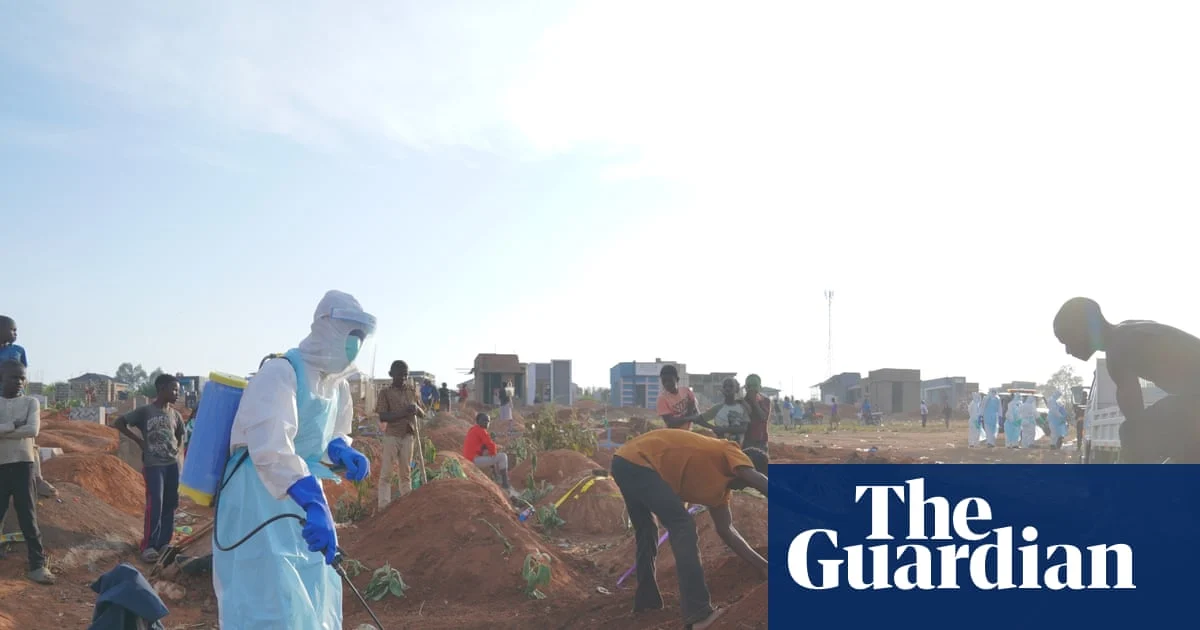
The Ebola outbreak in the Democratic Republic of Congo has become the deadliest in the country’s history, with at least 2,325 deaths recorded according to government data.
Confirmed cases have risen to 4,945, including 101 new infections reported in the past 24 hours, Congo’s public health institute said on Sunday.
This toll exceeds the previous peak from the 2018‑20 outbreak, marking a grim milestone in the nation’s fight against the virus.
- At least 2,325 people have been killed in the Ebola outbreak in DRC, according to government data.
- The death toll surpasses that of the 2018‑20 Ebola outbreak in the country.
- Confirmed cases have reached 4,945, with 101 new cases detected in the previous 24 hours.
- Congo’s public health institute released the figures on Sunday.
How did we get here?
Ebola virus disease causes severe hemorrhagic fever and is transmitted through direct contact with bodily fluids of infected people or animals. The virus was first identified in 1976 near the Ebola River in what is now the Democratic Republic of Congo. The country has experienced multiple outbreaks over the decades, often linked to spillover from wildlife reservoirs such as fruit bats. Health systems in affected regions face challenges including limited infrastructure, community mistrust, and difficulty reaching remote areas.
Who is affected?
Outbreaks typically impact rural communities where contact with wildlife is more common, but transmission can also spread to urban centers via travel and trade. Frontline health workers are at high risk due to close contact with patients, underscoring the need for protective equipment and training. Families often suffer loss of income and stigma when a member falls ill, which can hinder efforts to seek care and follow containment measures. Vaccination campaigns and treatment centers aim to reduce mortality, but access remains uneven across the vast territory.
Why the Ebola outbreak matters
The scale of this outbreak highlights ongoing vulnerabilities in disease surveillance and response capabilities within the DRC and across Central Africa. A high death toll strains already limited health resources and can disrupt other essential services such as maternal care and routine immunizations. Internationally, the situation draws attention to the need for sustained funding, research into therapeutics, and cross‑border cooperation to prevent further spread. Lessons learned from previous outbreaks inform current strategies, yet each episode reveals gaps that must be addressed to protect populations.
Verified by the source:
- At least 2,325 deaths recorded in the Ebola outbreak in DRC.
- Death toll exceeds that of the 2018‑20 outbreak.
- Confirmed cases total 4,945.
- 101 new cases identified in the last 24 hours.
- Figures released by Congo’s public health institute on Sunday.
Still unconfirmed:
- Exact date of the Sunday on which the institute spoke.
- Whether the upward trend in cases will continue in the coming weeks.
- Effectiveness of current vaccination and treatment efforts in reducing transmission.
- Any upcoming changes to international aid or travel restrictions related to the outbreak.
Understanding the impact of this outbreak matters because it reflects broader challenges in managing infectious diseases in regions with limited healthcare infrastructure, and it underscores the importance of global preparedness for future health emergencies.
Health authorities will continue to monitor the situation, report updated case and death counts, and adjust response measures as new information becomes available.