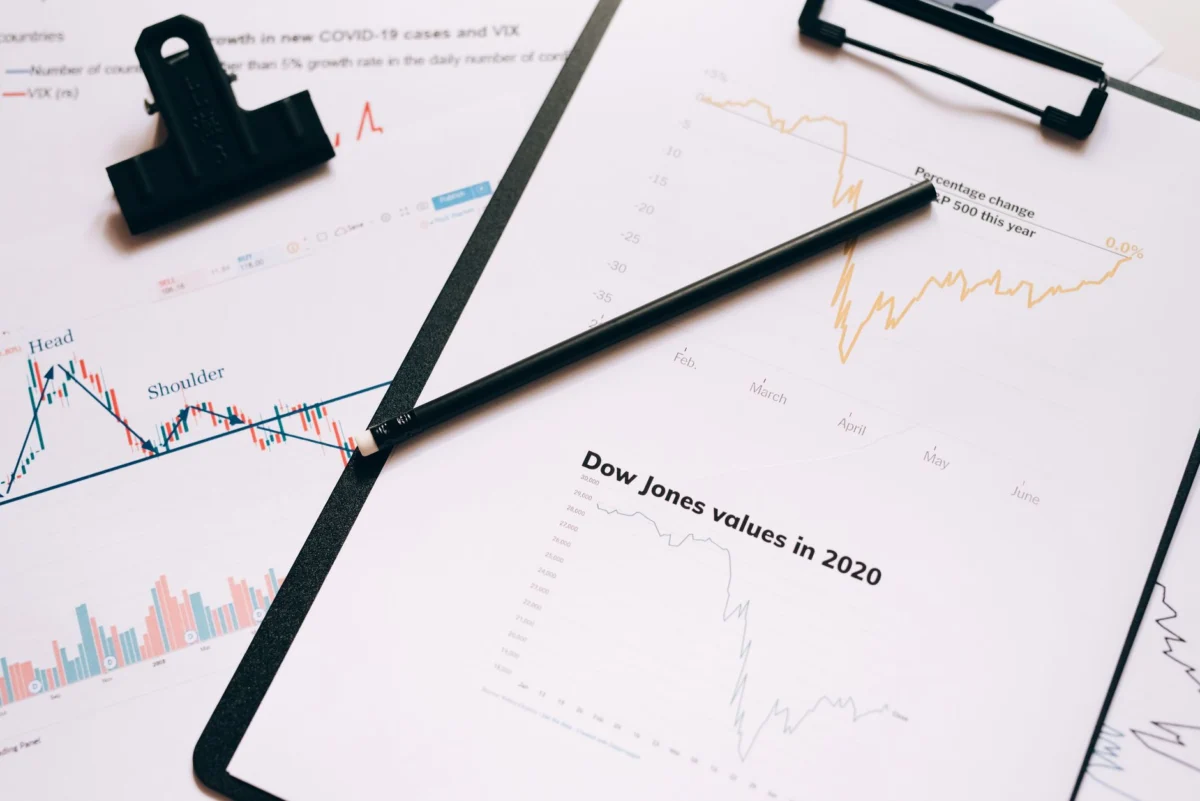
At 10:12 a.m. EDT, the Dow Jones Industrial Average ticked up 197 points to close at 38,212, its highest level ever recorded.
That milestone arrived on a day when the Nasdaq slipped 0.6% and the S&P 500 barely inched forward, underscoring a widening gap between blue‑chip industrials and growth‑focused tech firms.
What drove the Dow’s record climb?
Wall Street’s heavyweight components—Caterpillar, UnitedHealth and Chevron—each posted gains above 1.2%, buoyed by a stronger payroll report that showed U.S. non‑farm employment adding 250,000 jobs in March.
Higher wages lifted consumer confidence, prompting investors to load up on cyclical stocks that benefit from increased spending on infrastructure and energy.
Why does this matter?
For ordinary retirees, a record‑high Dow often translates into higher pension fund valuations and a sense of financial security.
But the tech lag tells a different story for younger investors whose 401(k)s lean heavily on Nasdaq‑listed growth names.
When the S&P 500 closed at 5,131, just 0.2% above yesterday, the disparity highlighted how sector‑specific risks can offset broad‑market optimism.
Tech stocks: The drag on Wall Street
Apple shed 1.1% after analysts warned that iPhone demand in Europe could soften amid lingering inflation.
Amazon fell 1.4% following a earnings call that missed revenue expectations, while Nvidia dropped 2.3% after a surprise inventory build‑up was reported.
Collectively, these heavyweight tech names pulled the Nasdaq lower, offsetting the industrials’ rally.
Who is affected?
Investment advisers at firms like Vanguard and Fidelity are already rebalancing portfolios, shifting a modest slice of assets from high‑beta tech ETFs to dividend‑paying industrials.
Small‑business owners who rely on credit lines cite the stronger labor market as a sign that borrowing costs may stay near current levels, at least for now.
What happens next?
Analysts at Morgan Stanley note that continued resilience in the job market could keep the Dow climbing, but a sustained tech slowdown might widen the spread between the two indices.
Watch for the Federal Reserve’s June policy meeting; a surprise rate hike could reignite concerns about growth‑stock valuations.
For readers tracking their own investments, the key takeaway is clear: a record‑high Dow signals macro‑strength, yet the tech drag reminds us that sector performance can diverge sharply, shaping everyday financial outcomes.
Stay tuned as the market digests upcoming earnings and the Fed’s next move—both likely to dictate whether Wall Street’s twin narratives converge or stay at odds.