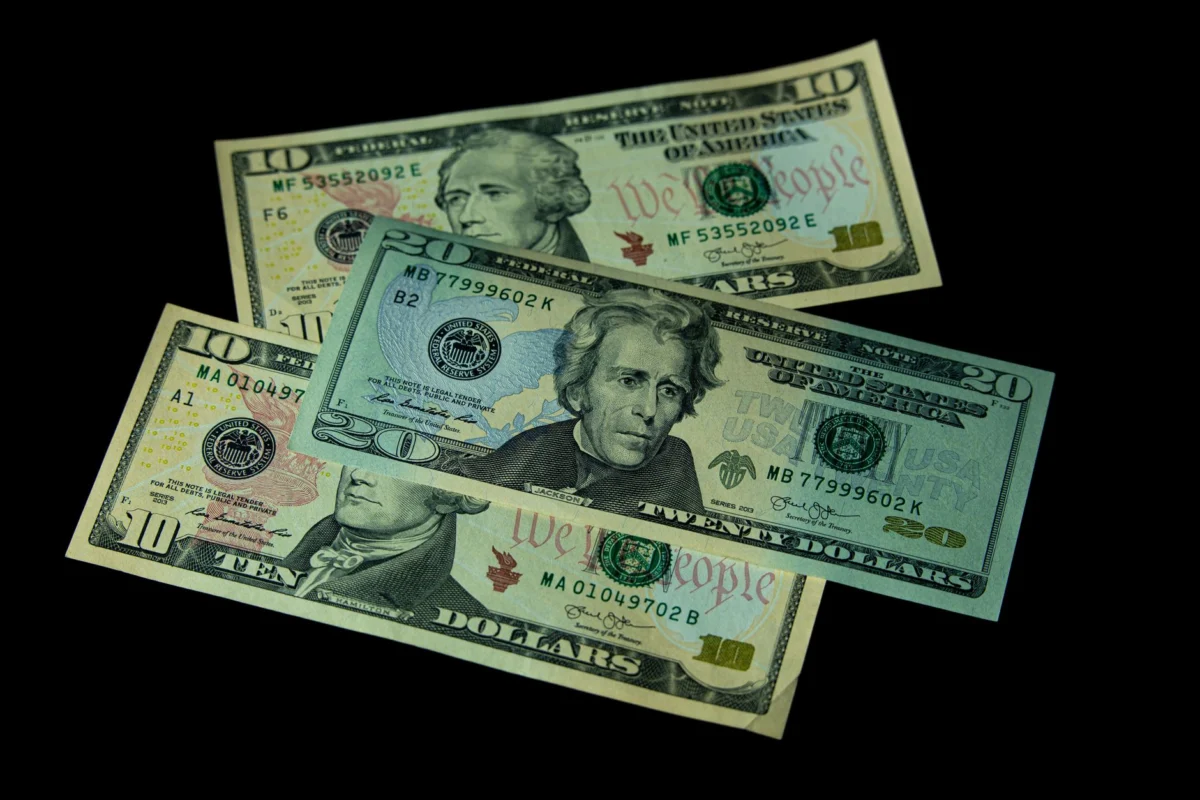
Direct answer: The dollar climbs in Baghdad and Erbil, forcing the Iraqi dinar to slip below 1,500 per dollar as markets react to regional economic pressures.
At 9:30 am local time, traders on Baghdad’s Al-Rasheed Exchange displayed a whiteboard flashing 1,512 IQD = $1, a five‑percent jump from yesterday’s rate. Across the border in Erbil, the same figure hovered at 1,508 IQD = $1, rattling shop owners who count on stable prices for everything from flour to fuel.
What’s driving the dollar’s rise?
Analysts point to three converging forces. First, a sudden dip in oil prices—a staple of Iraq’s foreign‑exchange earnings—has shrunk the central bank’s dollar reserves. Second, heightened geopolitical tension in neighboring Iran has spooked regional investors, prompting a flight to the U.S. currency. Third, the Central Bank of Iraq’s recent decision to delay a scheduled increase in its policy rate left the market with fewer tools to curb the surge.
Why does this matter?
For the average Iraqi, a 5 % rise in the dollar means a 3‑4 % increase in the price of basic goods. A family that spent 30,000 IQD on groceries last week now faces a bill of roughly 31,500 IQD. Small businesses, especially import‑dependent ones, see profit margins squeezed as the cost of imported raw materials spikes.
Moreover, the dollar climbs reverberate beyond the borders of Iraq. International investors watching the Middle East’s currency markets interpret the move as a barometer of regional stability. Continued depreciation could trigger a cascade of capital outflows from emerging markets that rely on dollar‑denominated debt.
Who’s feeling the pressure?
Local merchants on Baghdad’s al‑Mansour Street reported longer queues as customers scramble to exchange dinars before rates slip further. In Erbil’s commercial hub, construction firms warned that rising material costs could delay projects slated for completion before the year‑end.
Economists at the University of Baghdad note that a prolonged dollar climb could deepen inflation, eroding real wages that have already stagnated at around 2.5 % annually.
What happens next?
The Central Bank of Iraq is expected to announce a policy meeting within the next 48 hours. Market watchers anticipate a possible intervention—either through a temporary foreign‑exchange sale or a hike in the policy rate—to stem the dollar’s advance.
Regardless of the immediate response, the trajectory of the dollar will remain a key indicator for Iraq’s economic health and for anyone with a stake in the region’s markets. Stay tuned as the story unfolds.
Read more on related developments in the economy and markets sector.