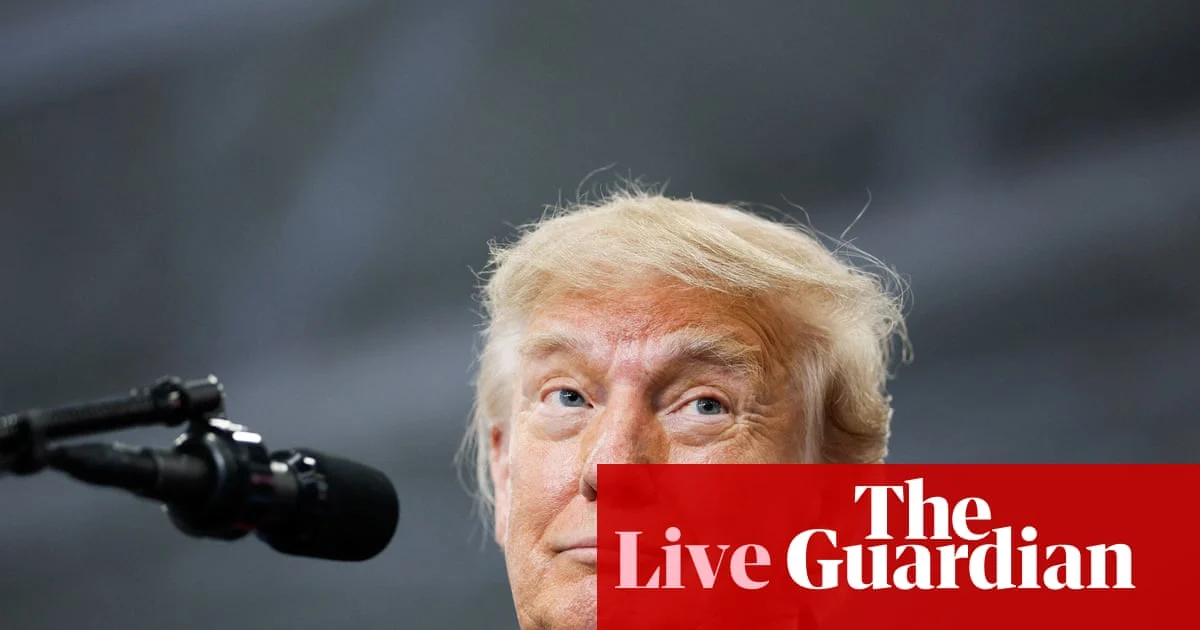
The Justice Department has demanded that California officials review a list of individuals identified as likely noncitizens within 48 hours, escalating a long-running dispute over voter eligibility. This move comes as President Donald Trump campaigns in Arizona and Montana, seeking to rally support for Republican candidates ahead of the midterm elections.
The request centers on claims that noncitizens may have been registered to vote in previous elections, though no concrete evidence has been publicly released to substantiate the allegation. California election officials have not yet responded to the federal request, and it remains unclear what actions they will take within the deadline.
The tension reflects a broader national debate over immigration, voting rights, and election integrity. While conservative voices often cite concerns about noncitizen participation, multiple studies have found such instances to be extremely rare. Still, the issue continues to shape political messaging, especially in key battleground states.
Key Facts
- Noncitizen voting allegations: The DoJ has given California 48 hours to review a list of “likely noncitizens.”
- Political context: Trump is heading to campaign rallies in Arizona and Montana.
- Media access ruling: A federal judge blocked Trump from barring CNN, MSNBC, and Politico from White House events.
- Judge involvement: Judge Timothy Kelly, appointed by Trump, issued the injunction.
- Litigation status: The court order remains in effect while litigation proceeds.
The Story
What happens next?
California state officials now face a tight 48-hour window to examine the list provided by the Justice Department. The list reportedly includes individuals flagged as potential noncitizens who may have participated in past elections. However, the source material does not specify the origin of the list or the methodology used to compile it, raising questions about its reliability and fairness.
Legal experts note that voter eligibility challenges often involve complex data sets that require careful analysis before public disclosure. Rushing such reviews could lead to errors or accusations of partisan interference. California’s secretary of state has historically maintained strict verification processes for voter registration and has previously rejected similar federal requests without sufficient justification.
This development also intersects with ongoing litigation regarding press access. Earlier this week, a federal judge temporarily halted the Trump administration’s ban on select media outlets from White House briefings. The injunction was extended pending litigation, highlighting growing friction between federal institutions and the executive branch.
Who is affected?
The immediate impact falls on California election officials, who must weigh compliance against existing state laws protecting voter privacy and due process. Noncitizens identified on the list, if any, may face investigation or removal from voter rolls depending on the outcome of the review.
Beyond California, the incident underscores how voting rights and media freedoms are increasingly becoming focal points of political contention. Advocacy groups on both sides of the aisle are watching closely, as similar disputes could emerge in other states during the lead-up to the midterms.
Public trust in electoral systems plays a critical role in democratic stability. When federal agencies pressure states without transparent evidence, it risks deepening polarization. Likewise, restricting press access undermines accountability—a cornerstone of democratic governance.
How did we get here?
President Trump has repeatedly emphasized concerns about voter fraud and illegal immigration throughout his tenure. His administration has pursued aggressive policies targeting undocumented immigrants and scrutinizing voter registrations across several states.
In this case, the Justice Department’s action aligns with a wider strategy to energize conservative base voters through culturally resonant issues. At the same time, Trump’s media restrictions reflect a pattern of limiting unfavorable coverage—an approach met with legal resistance from judicial appointees including those he himself nominated.
The dual track of voter eligibility scrutiny and press restrictions suggests an administration focused on controlling narratives ahead of crucial elections. Yet these tactics face checks from courts and bureaucratic institutions designed to uphold rule of law.
What We Know — and What We Don’t
Verified by the source:
- The DOJ has given California 48 hours to review a list of likely noncitizens.
- President Trump plans campaign events in Arizona and Montana.
- A federal judge issued a preliminary injunction preventing Trump from banning certain media outlets.
- Judge Timothy Kelly issued the court order.
Still unconfirmed:
- Whether any names on the list are verified noncitizens.
- The total number of individuals under review.
- Trump’s direct response to the media access ruling.
- Specific details about how the list was compiled.
- Official statements from California state officials.
Why It Matters
As the United States approaches another pivotal election cycle, controversies surrounding voter eligibility and press freedom pose significant challenges to democratic norms. These developments influence public perception of fairness and legitimacy—factors that determine whether citizens accept electoral outcomes or turn to more extreme measures. Maintaining transparency and adherence to legal standards becomes essential to preserving trust in institutions.
What To Watch
All eyes will be on California as officials decide whether to comply with the DOJ request. Meanwhile, the ongoing lawsuit over media access may set precedent for future interactions between the White House and journalism community.
Meta description: Justice Department pressures California to review list of noncitizen voters within 48 hours during Trump campaign push.
Explore our politics coverage for updates on election-related developments nationwide. Also browse war-geopolitics insights shaping domestic discourse.