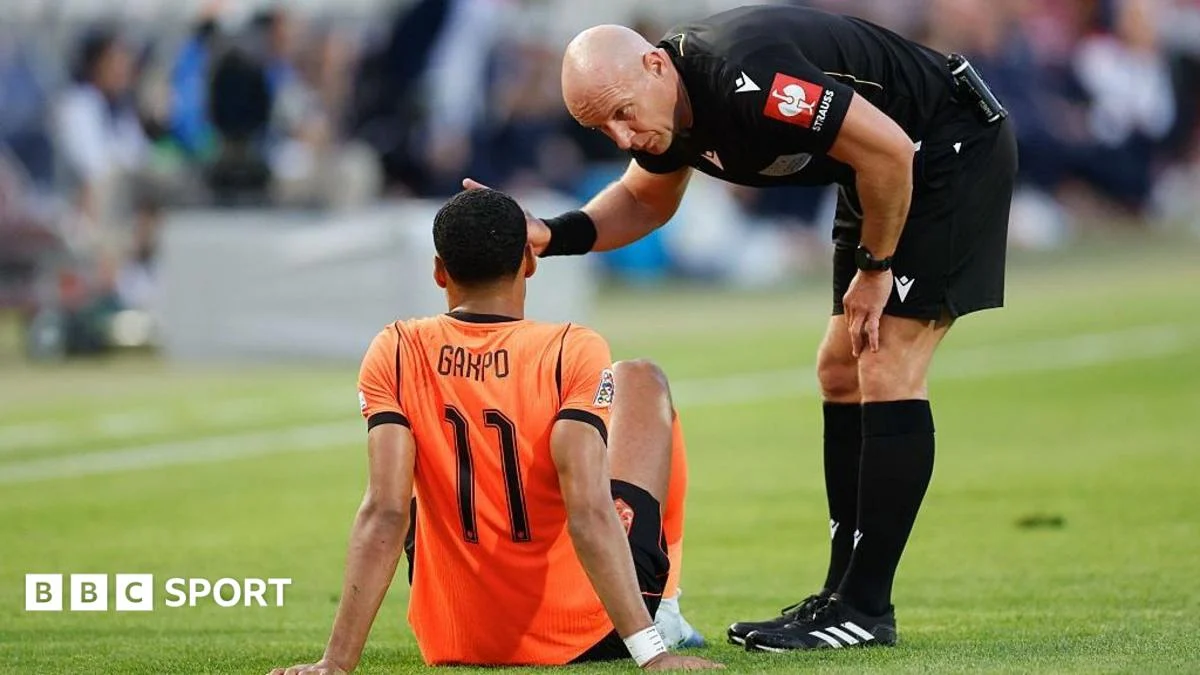
Clubs do not automatically receive compensation when players are injured while on international duty, according to an investigation by BBC Sport. The question of who covers the costs — the club, the national association, or an insurer — depends heavily on individual contracts and specific agreements between parties. BBC Sport’s Ask Me Anything team explored this issue, highlighting that there is no universal rule across leagues or countries. The financial burden of international duty injuries remains a contested topic among clubs, particularly those in top-tier leagues where player values and wages are high.
- Clubs often bear the cost when players are injured on international duty.
- Compensation depends on individual player contracts and agreements.
- There is no universal policy covering international duty injuries.
- BBC Sport investigated the matter through its Ask Me Another franchise.
- The topic involves clubs, national associations, and insurance providers.
Who Is Affected by International Duty Injuries?
The clubs themselves are typically the most directly affected when a player is injured on international duty. Since the player’s salary continues during recovery, and the club loses access to that player’s services, it can represent a significant financial loss. Additionally, if the injury affects the player’s long-term fitness or performance, the club may also face broader consequences. National associations, while not responsible for paying wages, could potentially carry liability depending on the terms of their agreements.
Some leagues and associations have begun including clauses in their standard contracts or bilateral agreements to address compensation. These usually take the form of insurance policies or fixed payments from the national association to the club. However, BBC Sport notes that such arrangements vary widely and are not standardized globally.
Smaller clubs, especially those without robust medical or legal teams, are often at a disadvantage when negotiating these terms. They may lack the leverage to secure favorable compensation clauses compared to larger, more influential clubs. As a result, the financial impact of losing key players to international duty — particularly in cases involving serious injury — can be disproportionately felt.
How Did We Get Here?
The modern game’s calendar includes numerous international windows, during which clubs release players to represent their countries. Historically, clubs had little recourse when injuries occurred during these periods. Over time, pressure mounted from club executives, player unions, and even some national associations for clearer guidelines on liability and payment.
Insurance companies have played a growing role in bridging this gap. Some offer specialized policies that activate during international duty, providing lump-sum payments to clubs in the event of specified injuries. Others work directly with federations to create shared-risk models. Despite these developments, BBC Sport found that many clubs still report being left out-of-pocket following international injuries.
Calls for reform have emerged within football governance circles, though progress has been slow. FIFA and UEFA have issued vague guidance encouraging cooperation between clubs and national associations, but enforcement mechanisms remain weak. This inconsistency fuels ongoing frustration among clubs seeking predictable compensation frameworks.
What We Know — and What We Don’t
Verified by the source:
- Clubs often pay when players are injured on international duty.
- Compensation depends on individual contracts and agreements.
- No universal compensation policy exists internationally.
- BBC Sport reported on this topic as part of its Ask Me Another series.
- Clubs, national associations, and insurers are involved in related discussions.
Still unconfirmed:
- Whether any specific league or association mandates compensation.
- The typical financial impact on clubs after such injuries.
- Details of existing insurance options available to clubs.
- If formal proposals for systemic change are under consideration.
- Exact responses from involved parties beyond BBC Sport reporting.
Why It Matters
This issue affects the financial stability and planning capabilities of clubs worldwide, particularly during international breaks. Clubs invest heavily in squad depth and player health, only to risk losing assets without guaranteed reimbursement when those players are selected by national teams. Clearer rules or standardized policies could help reduce disparities between large and small clubs, promoting fairness and predictability in global football finance.
What To Watch
Future developments may include new contractual trends, expanded insurance coverage, or regulatory moves from governing bodies. Updates from BBC Sport will continue tracking how clubs navigate compensation challenges tied to international duty injuries.