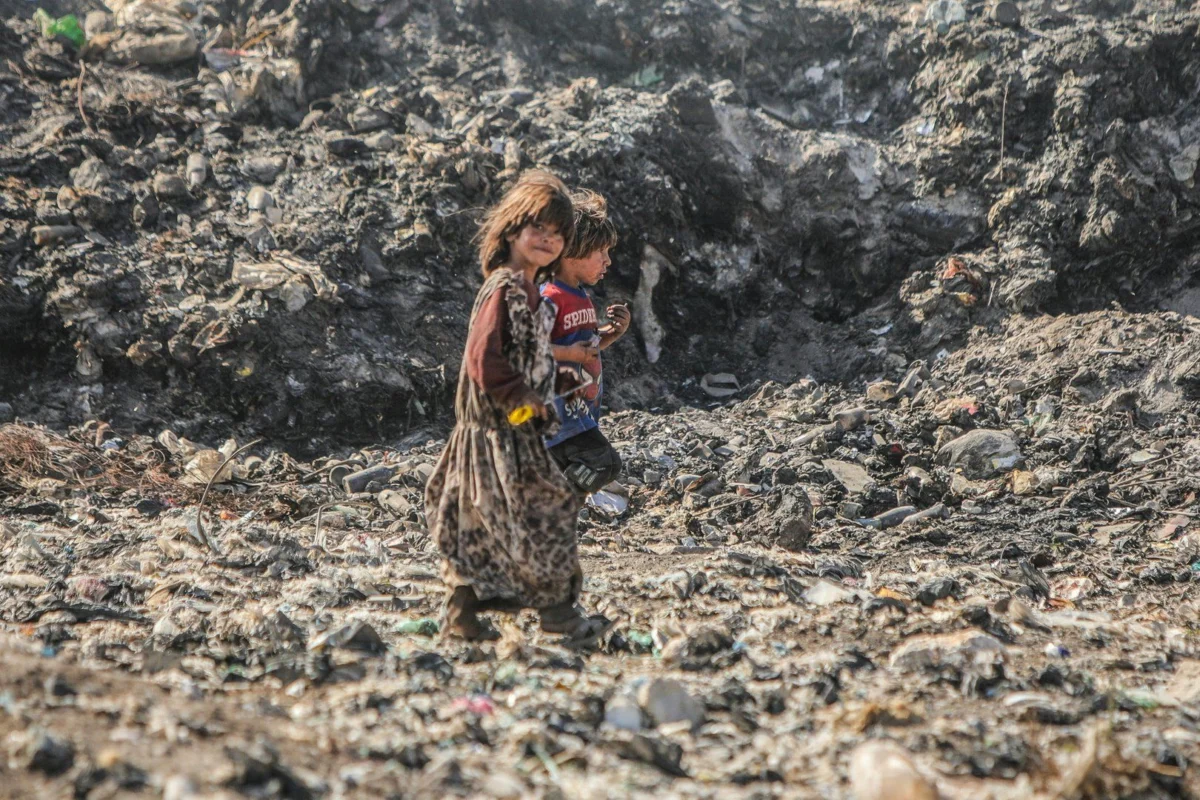
Displaced Syrians are digging through burning garbage on hillsides in search of recyclable materials to make a living, according to Al Jazeera reporting.
The practice highlights the extreme conditions faced by displaced populations who rely on informal recycling as a means of survival. These individuals risk injury and poor health while sorting through waste in search of items that can be sold.
Key Facts
- Displaced Syrians dig through garbage hills
- They search for recyclable materials
- The activity is done to make a living
- Garbage is described as burning
Why Are Displaced Syrians Digging Through Garbage?
Displaced Syrians are searching through hills of garbage because they need income to survive. Many have lost homes and livelihoods and have few alternatives for earning money. Informal waste sorting provides one of the few available sources of income.
This work involves sifting through burned and unburned waste, often under dangerous conditions. Recyclable materials such as plastic, metal, and glass are collected and later sold to dealers.
The reliance on garbage picking underscores the lack of economic opportunity and social support available to displaced populations in their current locations.
How Does This Relate to Broader Displacement Trends?
The situation of displaced Syrians reflects a wider pattern of forced displacement affecting millions globally. Conflict, economic instability, and environmental collapse have driven people from their homes and into precarious living conditions.
Informal economies, including waste picking, often emerge in displaced communities where formal employment is unavailable. These activities help families meet basic needs but come with significant risks to health and safety.
International organizations have called for greater support for displaced populations, including access to safe employment and social services.
What We Know — and What We Don’t
Verified by the source:
- Displaced Syrians sort through burning garbage
- The purpose is to find recyclable materials
- The goal is to earn a living
Still unconfirmed:
- Locations of the garbage sites
- Number of people involved
- Health or injury rates among workers
- Contact with aid organizations
Why It Matters
This story highlights the urgent need for international support and sustainable solutions for displaced populations. Without access to safe employment and basic services, displaced Syrians will continue to depend on hazardous informal work to survive.
What To Watch
Further reporting may clarify whether aid organizations are engaging with these communities or planning interventions to improve living and working conditions.
META_DESC