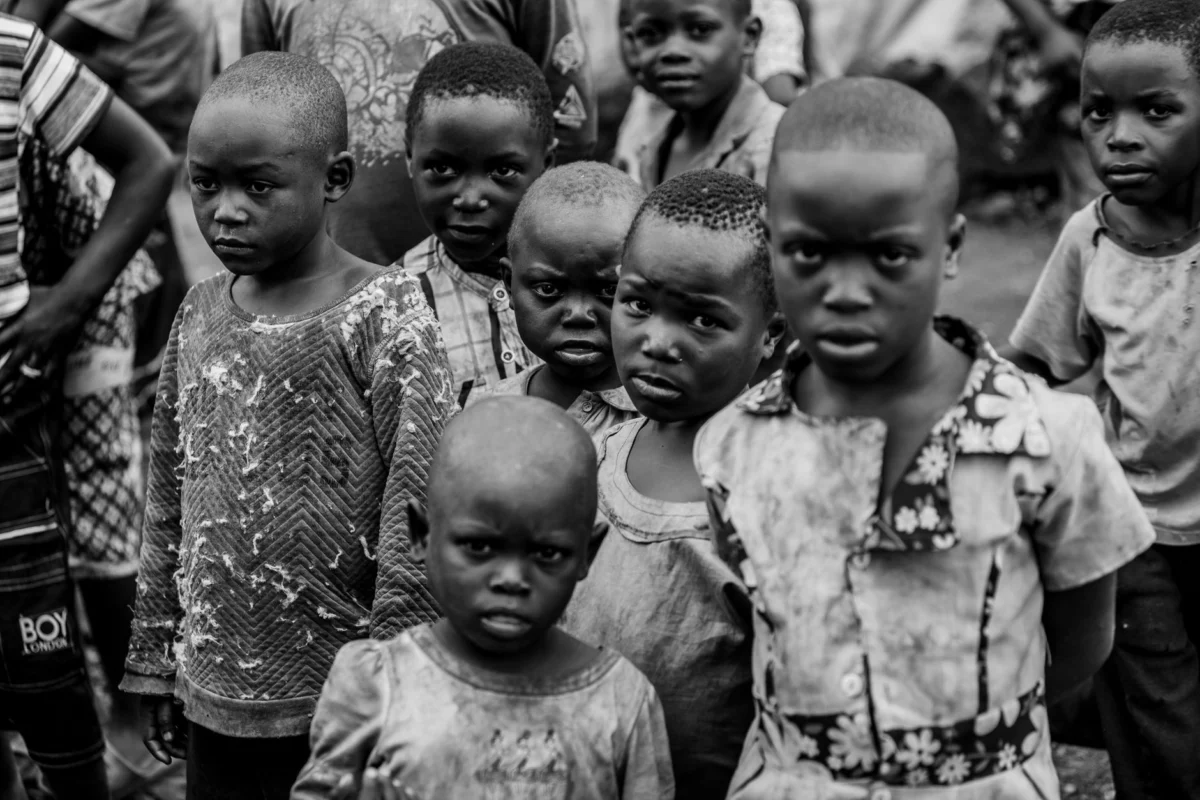
At a makeshift checkpoint outside Goma, a tired mother clutches a toddler while a convoy of battered trucks rattles past, each vehicle packed with families escaping the latest rebel assault.
That exodus is now intersecting with an Ebola outbreak that health workers say could spiral out of control.
Why the conflict matters for disease control
Since early March, more than 120 confirmed Ebola cases have been recorded in North Kivu and Ituri provinces, according to the World Health Organization. The virus spreads through direct contact with bodily fluids, making crowded, unsanitary displacement camps perfect breeding grounds.
Local clinics report that 3,400 people have fled their villages in the past two weeks alone, many heading toward the densely populated city of Goma where health infrastructure is already stretched thin.
What happens next?
Medical teams from the WHO and the Congo Ministry of Health are racing to set up isolation units in temporary shelters, but supplies are dwindling. Protective gear that once protected workers now lies in piles at abandoned checkpoints because the supply chain has been severed by road blockades.
“We are seeing more people with fever symptoms, but we cannot test them fast enough,” said a field officer from the WHO mission, who requested anonymity for security reasons.
In the past, the 2018–2020 Ebola epidemic in the same region was curbed when armed groups agreed to a temporary cease‑fire that enabled vaccination teams to move safely. This time, the fighting shows no sign of stopping.
Why does this matter?
Beyond the immediate health risk, a wider Ebola spread could cripple the regional economy, disrupt cross‑border trade, and force neighboring countries to reopen travel restrictions, affecting millions of people far beyond the conflict zone.
For readers halfway around the globe, the lesson is clear: wars are not just about bullets and borders; they can unleash pathogens that threaten global health security.
Who is affected?
Refugees, local residents, and humanitarian workers all face heightened exposure. International NGOs warn that if the outbreak reaches the bustling markets of Goma, the virus could jump to urban populations with far higher mobility.
Still, there is a glimmer of hope. The WHO has pledged an additional 1,000 doses of the rVSV‑ZEBOV vaccine, and neighboring Uganda stands ready to assist with contact tracing.
But without a swift de‑escalation of hostilities, even the best medical interventions may falter.
Will negotiators bring combatants to the table before the virus outruns them? The answer will shape not only the fate of eastern Congo but the global fight against emerging diseases.