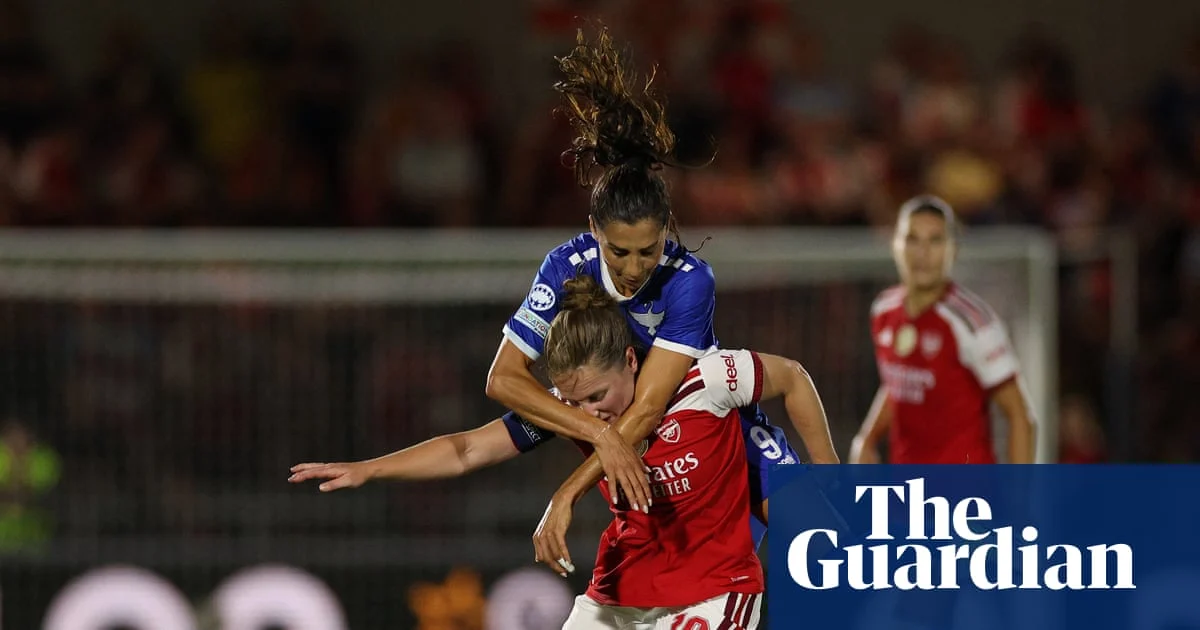
London — Viewers criticised Disney+ after an advert break interrupted the live coverage of Arsenal’s opening Women’s Champions League fixture against HB Køge during the second half. The break, which lasted approximately three minutes, occurred while the match was still in progress, leaving fans unable to view the action for a brief period. According to reports, the interruption was not intentional, though it caused noticeable frustration among those watching the game online.
The incident happened during Arsenal’s 1-0 victory over the Danish side, with about 15 minutes remaining in regular play. While the exact cause of the advert break remains unclear, the moment drew immediate criticism from viewers who expected uninterrupted streaming coverage of the high-profile European contest. This marks one of the more visible disruptions yet reported during live sports broadcasts on Disney+.
Key Facts
- Arsenal played HB Køge in the Women’s Champions League group stage.
- An advert break interrupted the second half of the live broadcast on Disney+.
- The break lasted about three minutes, occurring with roughly 15 minutes left in the match.
- Fans criticised Disney+ for the unplanned interruption.
- The break is believed to have been unintended, per early understanding.
What Happened During the Broadcast?
The advert break occurred during the second half of the live television coverage provided by Disney+, interrupting the flow of the match between Arsenal and HB Køge. Viewers reported missing key moments of gameplay due to the sudden transition to advertisements, prompting backlash across social media platforms where supporters shared clips and complaints about the disruption. Though Disney+ has not issued an official statement regarding the cause, sources suggest the error may have stemmed from a technical oversight rather than a deliberate scheduling decision. This kind of misstep highlights potential challenges faced by streaming services attempting to deliver live sports content alongside traditional advertising models.
How Did We Get Here?
Disney+ has increasingly expanded its role as a broadcaster of major sporting events, including top-tier football competitions such as the Women’s Champions League. As more viewers turn to streaming platforms for live coverage, expectations around seamless delivery rise accordingly. In this case, the unexpected advert break during a crucial phase of the match underscores the difficulties of managing real-time broadcast elements within digital environments. While the company previously experimented with ad-supported tiers to reduce subscription costs, incidents like this risk undermining viewer trust in the reliability of their service during premium live programming.
What We Know — and What We Don’t
Verified by the source:
- The match featured Arsenal versus HB Køge.
- The game ended with a score of 1-0 in favour of Arsenal.
- The advert break occurred in the second half with about 15 minutes remaining.
- The disruption lasted approximately three minutes.
- Disney+ received criticism from viewers for the interruption.
Still unconfirmed:
- The specific reason behind the advert break.
- Whether Disney+ plans to address the issue publicly.
- If similar incidents have occurred in prior broadcasts.
- The identity of affected viewers or number impacted.
Why It Matters
As streaming platforms continue to acquire rights to major sports leagues, maintaining uninterrupted coverage becomes essential to retaining subscriber engagement and satisfaction. A simple advert break flaw can quickly become a public relations concern, especially when it affects widely watched matches like those in the Women’s Champions League. This situation also reflects broader shifts toward hybrid monetization strategies in which traditional commercials are inserted into digital streams—bringing both opportunities and risks for broadcasters aiming to balance revenue goals with viewer experience.
What to Watch
It remains to be seen whether Disney+ will release further details about the cause of the advert break or implement changes to prevent future disruptions. Any official response from the platform could shape how audiences perceive its commitment to reliable live sports coverage moving forward.