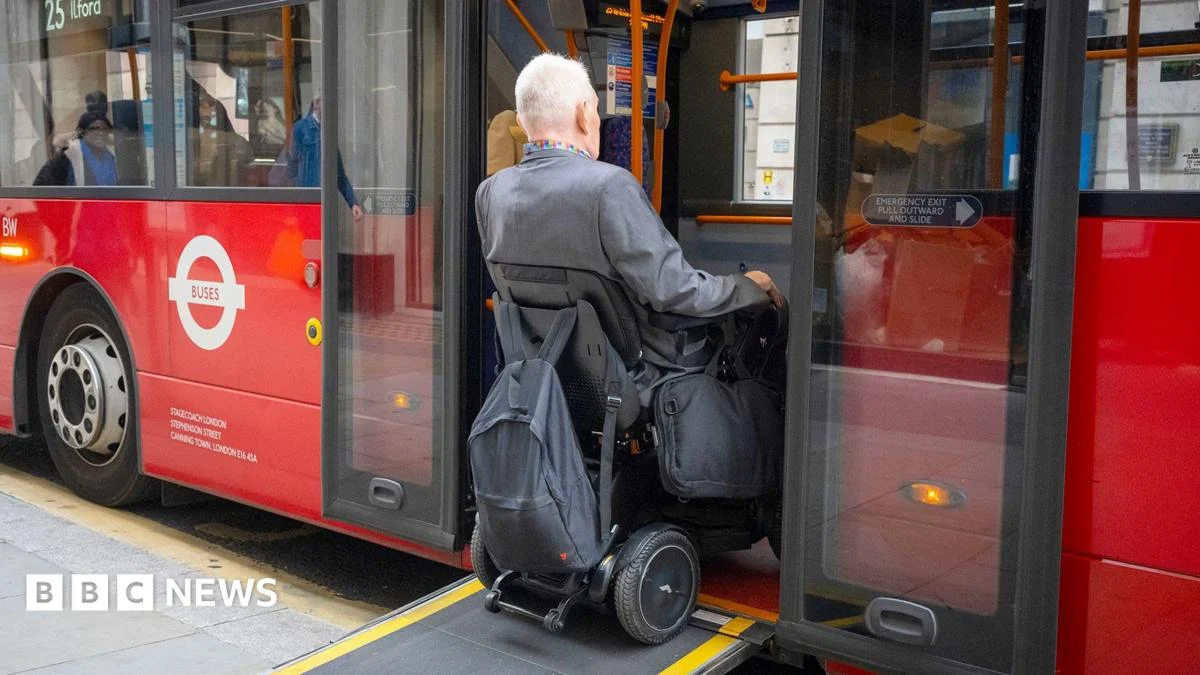
Disabled people in England will receive 24-hour free bus travel starting in April, according to BBC News. The change has been welcomed by campaign groups and will allow eligible passengers to travel on buses without paying a fare at any time of day.
The new policy grants disabled passengers in England unlimited free bus travel at any time of day beginning next April.
For more on transport policy, see our politics section.
This development also relates to health‑science discussions about accessibility.
Key Facts
- 24-hour free bus travel for disabled people in England
- The change has been welcomed by campaign groups
- The change will come into effect in England from April
Who is affected?
The measure applies to disabled individuals who are eligible for concessionary travel across England. By removing fare costs, the policy aims to make bus journeys more accessible for work, education, healthcare and leisure trips. Campaign groups have highlighted cost as a barrier for disabled passengers.
What does free bus travel mean?
Under the new arrangement, qualifying disabled passengers will be able to board any local bus service and travel without purchasing a ticket, regardless of the time of day. This extends existing concessionary provisions that often limit free travel to off‑peak periods. The move aligns with broader efforts to improve public‑transport accessibility and reduce inequality in mobility options.
What We Know — and What We Don’t
Verified by the source:
- Disabled people in England will receive 24-hour free bus travel
- The change has been welcomed by campaign groups
- The change will come into effect in England from April
Still unconfirmed:
- The exact date within April when the scheme starts
- Which specific campaign groups have welcomed the change
- Details of funding arrangements or any eligibility criteria beyond disability status
- How many disabled passengers are expected to benefit
Why It Matters
Affordable transport is linked to better access to jobs, services and social life, so extending free bus travel could improve quality of life for many disabled people. The policy also reflects growing attention to inclusivity in public‑transport planning, a topic that resonates with readers interested in equality and urban mobility.
What To Watch
Officials may release further guidance on implementation, and observers will watch for the launch date and any reports on uptake or challenges once the scheme is operational.