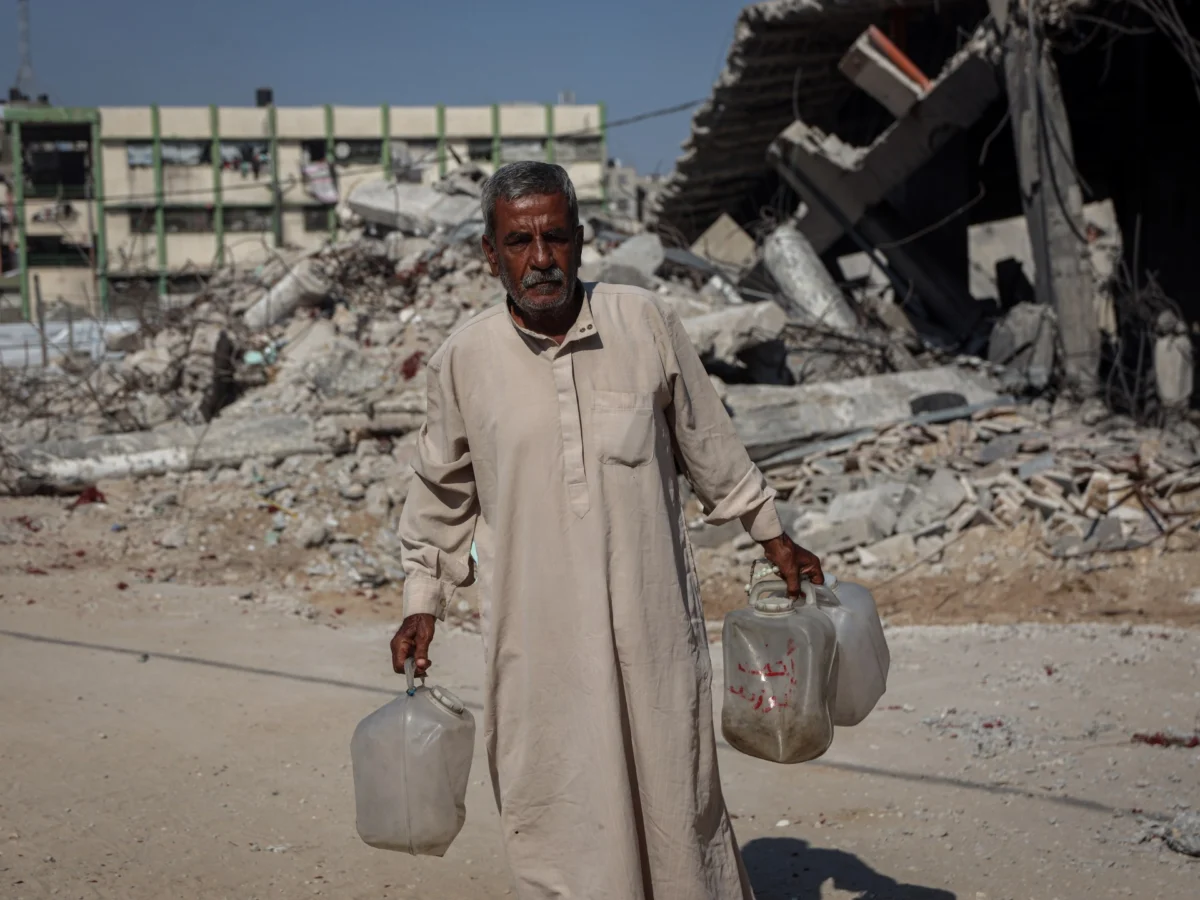
The destruction of a newly built desalination plant has intensified the existing Gaza drinking water crisis, particularly affecting displaced families residing in northern Gaza. This development poses significant challenges for those seeking access to clean water in the region. The incident highlights the vulnerability of critical infrastructure in conflict zones and its direct impact on civilian populations.
Displaced families in northern Gaza are reportedly struggling to find clean water following the plant’s destruction. This situation underscores the urgent need for sustainable solutions to provide essential resources in affected areas. The lack of clean water can lead to a host of public health issues and further exacerbate humanitarian concerns.
Key Facts
- A newly built desalination plant was destroyed.
- The destruction worsened Gaza’s drinking water crisis.
- Displaced families in northern Gaza struggle to find clean water.
Impact on Northern Gaza
The recent destruction of a newly built desalination plant has directly impacted the availability of clean water for communities in northern Gaza. This facility, intended to provide a crucial resource, is no longer operational, leading to a severe deficit in water supply. For displaced families in this region, the challenge of securing clean water has become increasingly difficult, contributing to a humanitarian strain.
The loss of the plant means that residents, many of whom have already been displaced from their homes, must now contend with an even more dire shortage of potable water. This situation can have far-reaching consequences, affecting daily life, hygiene, and overall health within these communities. Efforts to secure alternative water sources become paramount in such circumstances, though they are often insufficient to meet the extensive demand.
What are the consequences for displaced families?
Displaced families in northern Gaza are facing significant hardships as a direct result of the diminished access to clean water. Their struggle to find potable water adds another layer of complexity to their already precarious living conditions. This shortage can force families to rely on unsafe water sources, increasing the risk of waterborne diseases and other health complications.
The daily search for clean water consumes time and resources that could otherwise be dedicated to other essential needs, such as food and shelter. The destruction of the desalination plant has thus compounded the vulnerabilities of these families, making their displacement even more challenging. Addressing this critical need is essential for the well-being and survival of these communities.
What We Know — and What We Don’t
Verified by the source:
- A newly built desalination plant was destroyed.
- The destruction worsened Gaza’s drinking water crisis.
- Displaced families in northern Gaza are struggling to find clean water.
Still unconfirmed:
- The specific date or circumstances of the plant’s destruction.
- The exact number of displaced families affected.
- The extent of the damage to the plant.
- Any immediate plans for repair or replacement of the facility.
- The long-term humanitarian response to the worsened water crisis.
Why It Matters
The destruction of essential infrastructure, such as desalination plants, has profound implications for civilian populations, particularly in conflict-affected regions. Access to clean Gaza drinking water is a fundamental human right and a critical component of public health. When this access is compromised, it can lead to widespread humanitarian crises, affecting hygiene, increasing disease prevalence, and exacerbating the suffering of already vulnerable communities. This event underscores the urgent need for protecting civilian infrastructure during conflicts to prevent further humanitarian catastrophe.
What To Watch
Observers will be monitoring any reported efforts to restore water access or provide alternative solutions for the affected population in northern Gaza. The response of international organizations and local authorities to this intensified water crisis will be a key area of focus.