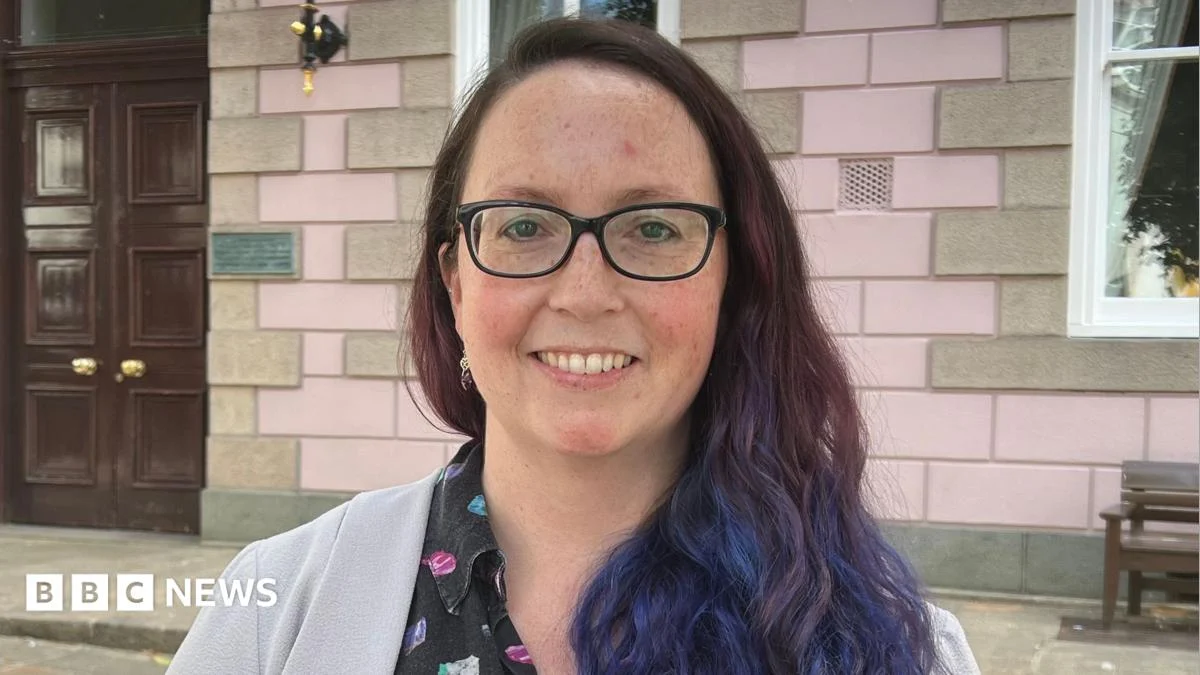
A senior official has urged policymakers to increase food funding after arguing that rising living costs were not factored into a recent decision to end a trial program.
Deputy Louise Doublet stated that the financial burden on households today is significantly higher than when the trial began, suggesting that current support levels are no longer sufficient for basic needs.
The deputy’s comments come as many families across the country face increasing prices for groceries, utilities, and housing.
Key Facts
- Deputy Louise Doublet said cost of living was not considered in trial ending.
- She called for more food funding due to high living costs.
- The trial involved food assistance programs.
- Her remarks were made in an official capacity as a deputy.
What is food funding?
Food funding refers to public money allocated toward programs that help low-income individuals and families purchase food. This can include vouchers, subsidies, or free meal initiatives run by government agencies or nonprofits.
Such funding is often tied to economic indicators like inflation and employment rates. When those factors shift, policymakers may adjust spending to ensure access remains stable for vulnerable populations.
Deputy Doublet argued that current allocations reflect outdated assumptions about household expenses and purchasing power.
How did we get here?
The issue stems from a trial program that provided temporary food assistance to eligible recipients. According to Deputy Doublet, the original evaluation period did not account for the sharp rise in consumer prices affecting essential goods.
She emphasized that what was affordable during the trial phase may now be out of reach without additional financial support. Her statement implies that earlier assessments underestimated long-term sustainability concerns.
Since then, advocates have echoed similar concerns, pressuring lawmakers to reassess ongoing budget commitments for social safety nets.
What happens next?
It remains unclear whether new legislation will be proposed to expand food funding based on updated economic conditions. No formal proposals have been announced at this stage.
Government officials typically review such matters through interdepartmental committees before bringing changes to parliament or congress. Stakeholders including advocacy groups, economists, and local councils are likely monitoring the situation closely.
If pressure mounts, expect debates around reallocating existing budgets or securing supplemental appropriations to address gaps exposed by inflation trends.
What We Know — and What We Don’t
Verified by the source:
- Deputy Louise Doublet criticized the omission of cost-of-living data in a trial review.
- She advocated for increasing food-related financial assistance.
- The critique centered on a terminated trial program.
Still unconfirmed:
- Exact timeline or location of the trial.
- Specific dollar amounts or percentage increases requested.
- Whether other deputies or departments share her view.</n
- Potential legislative actions or responses from leadership.
- Current enrollment figures or demographic breakdowns of beneficiaries.
Why It Matters
Access to nutritious food is a cornerstone of public health and economic stability. As inflation erodes purchasing power, inadequate food funding can deepen inequality and strain healthcare systems. Reassessing allocations ensures policies remain responsive to lived realities rather than stale projections.
What To Watch
Officials have yet to announce any formal response to Deputy Doublet’s appeal. Future developments could include committee reviews, budget hearings, or cross-party discussions aimed at adjusting food funding frameworks moving forward.