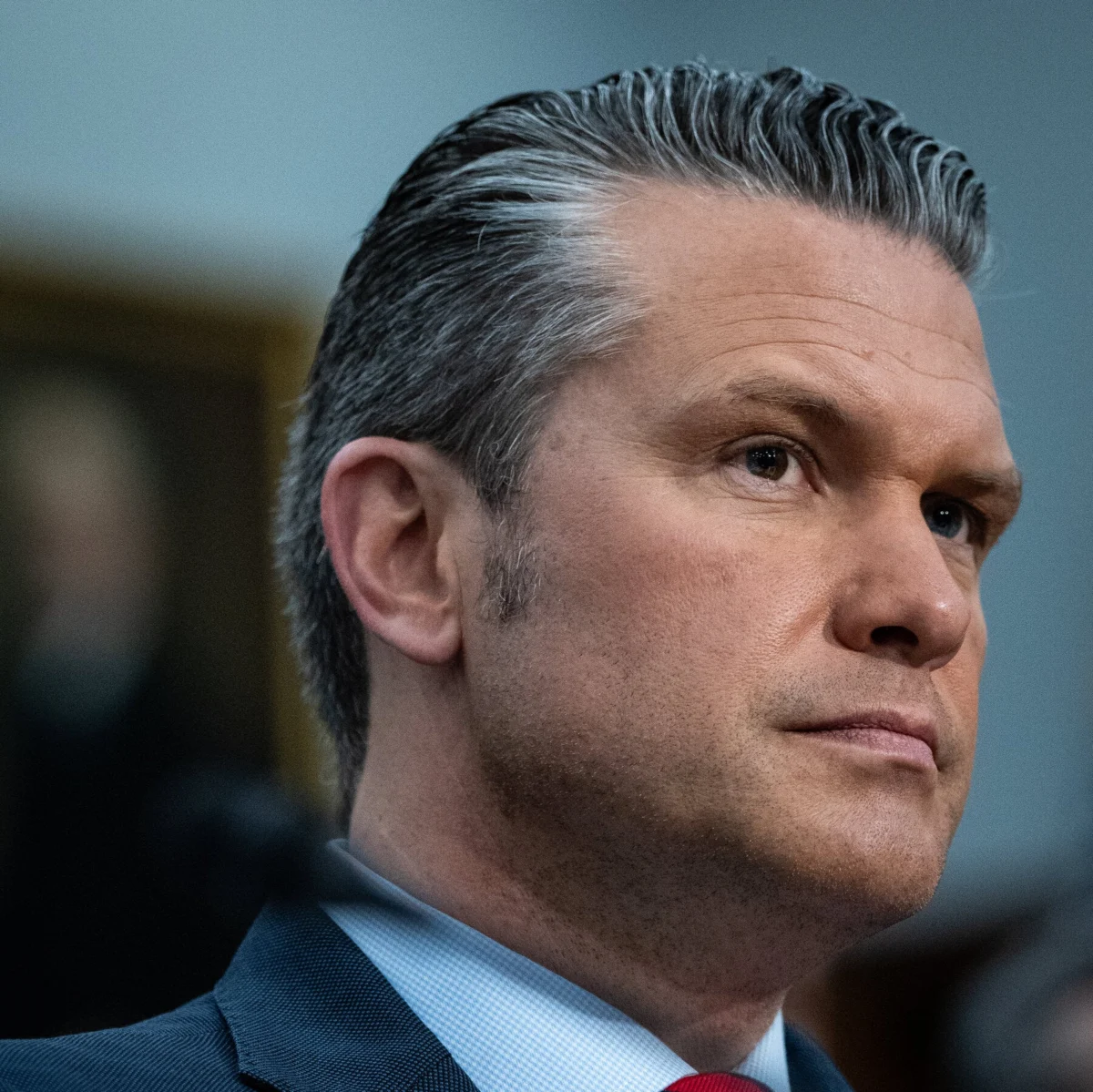
Lloyd Austin is not the target — Defense Secretary Pete Hegseth is. Democrats are singling out Hegseth in campaign attacks, linking his defense of an unpopular war to high prices. Cabinet members rarely feature prominently in campaigns, but Hegseth’s political forays and public support for the war effort have put him in the crosshairs.
Hegseth’s visibility stems from his repeated appearances defending administration policies on television and social media. His remarks on military strategy and cost-of-living pressures have drawn sharp rebukes from Democratic challengers, who accuse him of deflecting blame for economic struggles onto foreign conflicts.
Key Facts
- Democrats are targeting Defense Secretary Pete Hegseth in campaign messaging.
- He is criticized for defending an unpopular war.
- Hegseth’s public defense ties him to high prices, per campaign narratives.
- Cabinet members are usually not central figures in election campaigns.
- Hegseth has entered politics beyond typical defense secretary roles.
Hegseth Campaign Attacks: Political Risks for a Defense Chief
Defense secretaries historically avoid partisan politics to maintain bipartisan support and military neutrality. Hegseth’s decision to engage directly in political discourse — including campaign-style speeches and media appearances — blurs that traditional boundary. His alignment with administration messaging on both warfare and domestic economic challenges has made him a symbolic figure for opposition parties seeking to assign accountability.
This strategy reflects a broader Democratic effort to connect national security spending with voter frustrations over inflation. By framing Hegseth as an emblem of failed priorities, Democrats aim to shift economic discontent toward Pentagon leadership rather than the commander-in-chief.
What Happens Next for Hegseth?
As election cycles intensify, campaign attacks often escalate. Hegseth may face increased scrutiny during hearings or public events, especially if economic indicators worsen or military operations expand. His response — whether doubling down or stepping back from political commentary — could influence voter perception and internal party dynamics.
The administration might also reconsider how its Cabinet members engage with the public. If Hegseth’s prominence continues to draw backlash, officials could reevaluate communication strategies involving senior defense leaders.
What We Know — and What We Don’t
Verified by the source:
- Democrats are using campaign attacks focused on Hegseth.
- Hegseth has made political statements beyond standard defense duties.
- His defense of a war described as unpopular is part of the criticism.
- High prices are cited alongside war policy in attack messaging.
Still unconfirmed:
- Specific quotes or statements attributed to Hegseth.
- Exact policy positions or voting records referenced.
- Names of specific Democratic figures leading the charge.
- Dates or venues of upcoming events where he may appear.
- Whether additional Cabinet members will be targeted similarly.
Why It Matters
This marks a shift in how national security officials are treated during election years. When defense leaders become campaign symbols, it can affect morale, public trust in the military, and the perception of nonpartisanship essential to civil-military relations. Voters may also reassess the intersection of foreign policy and economic hardship.
What To Watch
Watch whether Hegseth continues his elevated public profile or retreats into traditional Secretary of Defense silence. Additional campaign rhetoric linking defense spending to inflation could signal deeper strategic shifts in messaging.