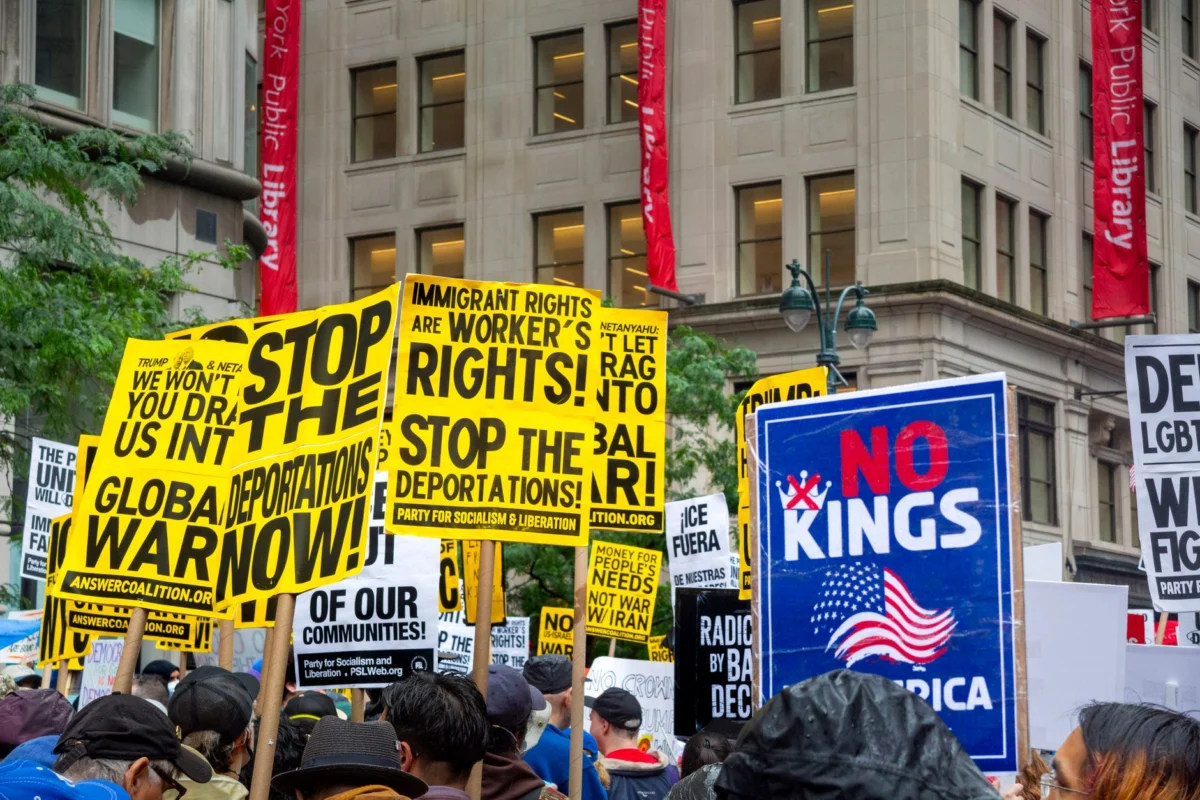
Some U.S. Democrats are seeking out like-minded counterparts abroad in their struggle to counter right-wing populism. The effort reflects a growing concern within the party about the spread of far-right ideologies beyond American borders.
These global left-wing ties aim to coordinate messaging, policy responses, and political strategy among progressive leaders and activists worldwide. The initiative underscores how domestic political challenges are increasingly being addressed through international cooperation.
KEY FACTS
- Some U.S. Democrats are seeking like-minded counterparts abroad.
- The goal is to counter right-wing populism internationally.
- The strategy involves forging global left-wing ties.
- The effort is a response to a far-right surge, according to reporting.
- Coordination includes policy, messaging, and strategy sharing.
THE STORY
What happens next?
The formation of global left-wing ties suggests that U.S. Democrats are preparing for prolonged political battles against right-wing movements. As these international partnerships develop, they may lead to coordinated campaigns, shared research, and joint statements during key electoral periods or policy debates.
Messaging alignment across borders could help progressive leaders reframe narratives around economic justice, immigration, and social equity. If successful, these efforts might inspire similar alliances in other democracies facing comparable political pressures.
However, the effectiveness of such transnational collaboration depends on the ability of diverse political cultures to find common ground. Differences in national priorities and historical contexts may pose challenges to unified action.
Who is affected?
The primary actors affected are left-wing politicians and organizations operating in democracies where right-wing populism has gained traction. Citizens in these countries may experience shifts in how progressive policies are communicated and promoted.
Voters could see increased coordination between parties on issues such as labor rights, climate policy, and digital regulation. Additionally, civil society groups focused on social justice may gain access to broader networks for advocacy and resource sharing.
International observers and analysts will also be impacted, as they track whether this new model of cross-border political cooperation influences electoral outcomes or legislative agendas. Media outlets covering these developments may face both opportunities and risks in maintaining accuracy.
How did we get here?
The rise of right-wing populism across multiple continents has prompted concern among center-left and left-wing political forces. Observers note that authoritarian tendencies and nationalist rhetoric have gained momentum in recent years, prompting a need for coordinated responses.
U.S. Democrats, having faced strong conservative movements domestically, appear to be adopting a proactive stance by engaging with European Socialists, Latin American progressives, and other like-minded groups. This marks a shift toward viewing domestic politics as part of a larger global trend.
Prior to this push for global left-wing ties, much of the Democratic strategy centered on traditional diplomatic engagement and multilateral institutions. The current phase indicates an effort to blend political organizing with foreign outreach.
WHAT WE KNOW — AND WHAT WE DON’T
Verified by the source:
- Some U.S. Democrats are seeking international counterparts.
- The purpose is to counter right-wing populism globally.
- These efforts involve forging global left-wing ties.
- The context includes a far-right surge influencing strategy.
Still unconfirmed:
- Specific individuals or organizations involved beyond named figures.
- Exact timelines or upcoming meetings or agreements.
- Policy areas prioritized in these international collaborations.
- Levels of official endorsement from Democratic leadership.
WHY IT MATTERS
This development signals a potential recalibration in how democratic societies respond to authoritarian and nationalist trends. By building global left-wing ties, political movements are testing new models of solidarity that transcend national boundaries, which could influence future elections and policy directions around the world.
WHAT TO WATCH
Future announcements from involved parties and any formal declarations emerging from planned or ongoing coordination efforts will indicate whether these global left-wing ties translate into concrete political outcomes.