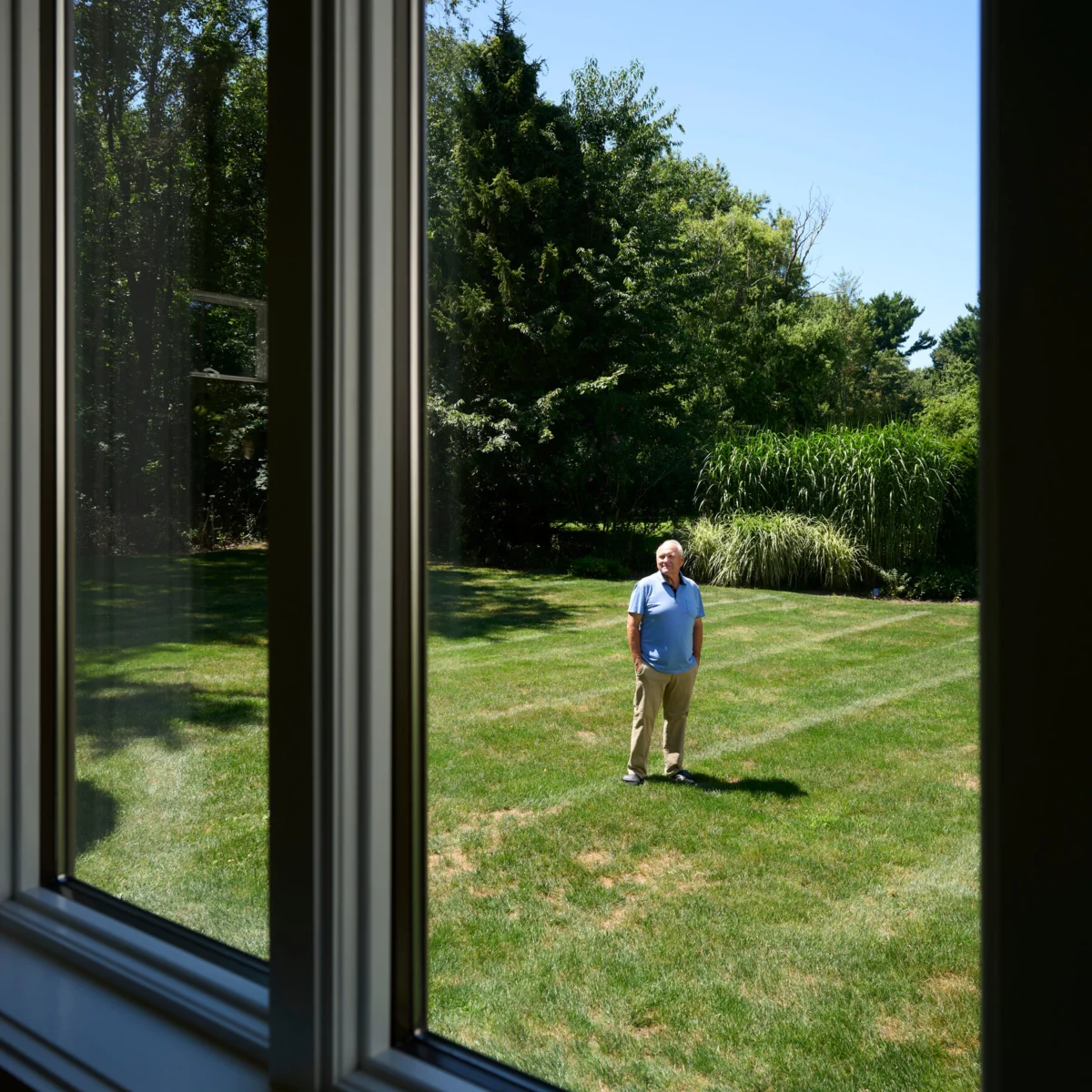
A little-known connection between dementia and epilepsy has left doctors puzzled by symptoms of memory loss and confusion until patients receive specialized care. According to NYT > Top Stories, epilepsy specialists have identified cases where cognitive decline was actually linked to undiagnosed seizures, highlighting a critical gap in mainstream medical awareness.
The discovery underscores the need for cross-disciplinary collaboration in neurology, particularly when patients exhibit symptoms that straddle multiple conditions. While dementia and epilepsy are typically treated as separate disorders, emerging evidence suggests their pathways may intersect more frequently than previously understood.
KEY FACTS
- Doctors initially misdiagnosed memory loss and confusion in at least one patient
- Epilepsy specialists identified the correct neurological connection
- The NYT > Top Stories report describes this link as “little-known”
- No specific patient details, treatment outcomes, or statistics are provided in the source
How are dementia and epilepsy connected?
While the exact biological mechanisms aren’t detailed in the source, medical literature broadly recognizes that seizures can sometimes mimic or exacerbate cognitive decline. Epileptic activity in temporal lobes – regions crucial for memory formation – may produce symptoms indistinguishable from early dementia. The NYT report suggests this overlap leads to diagnostic challenges when patients first present with memory issues.
Who benefits from this discovery?
Patients experiencing unexplained cognitive decline may warrant evaluation for seizure activity, particularly when standard dementia treatments prove ineffective. The source implies epilepsy specialists possess diagnostic tools and expertise that general neurologists might lack for these borderline cases. This has significant implications for elderly patients, where dementia diagnoses carry profound lifestyle and treatment consequences.
WHAT WE KNOW — AND WHAT WE DON’T
Verified by the source:
- Some dementia-like cases actually involve epilepsy
- Epilepsy specialists can identify these misdiagnosed patients
- The connection between the two conditions remains underrecognized
Still unconfirmed:
- How frequently this misdiagnosis occurs
- Whether specific types of epilepsy are more likely to mimic dementia
- If early seizure intervention could prevent cognitive decline
WHY IT MATTERS
Accurate diagnosis determines whether patients receive anti-seizure medications versus dementia treatments – therapies with vastly different mechanisms and side effects. The revelation also highlights gaps in how medical systems categorize neurological symptoms, potentially leaving treatable conditions undiagnosed. For families coping with cognitive decline, this represents both hope and a call for second opinions.
WHAT TO WATCH
Whether neurology guidelines begin recommending seizure evaluations for patients with atypical dementia symptoms. Research quantifying how often epilepsy underlies apparent cognitive decline could reshape diagnostic protocols.