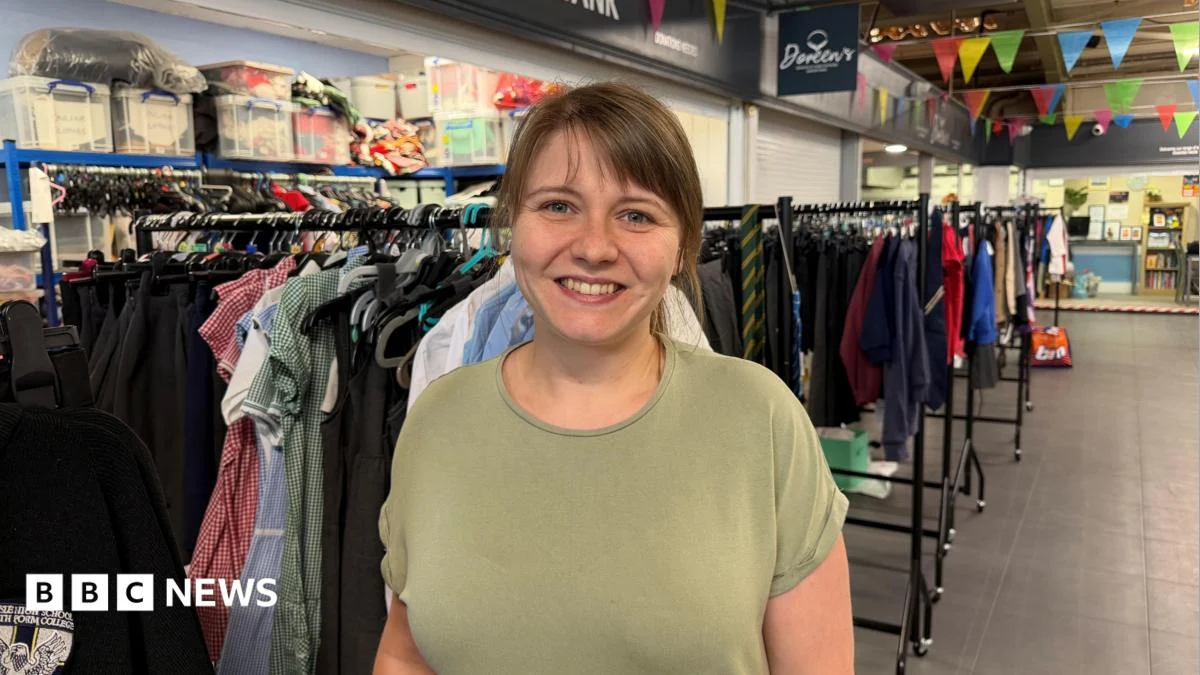
A charity providing free school uniforms to families in Hull and East Yorkshire reports soaring demand as households face financial strain. Doreen’s redistributes donated uniforms to ensure children have proper attire for school.
The initiative helps alleviate costs for parents while promoting sustainability through uniform reuse. BBC News notes this reflects broader economic pressures hitting working-class communities.
KEY FACTS
- Doreen’s charity provides free school uniforms to Hull and East Yorkshire families
- They repurpose donated used uniforms for redistribution
- Demand for the service has increased significantly
Why is demand rising?
The charity hasn’t specified exact reasons for increased demand, but free school uniforms typically see higher uptake during economic downturns when families prioritize essential spending. School uniforms in the UK often cost £100-200 per child annually, a significant burden for low-income households.
How the program works
Doreen’s collects gently used uniforms, cleans and repairs them, then distributes them free to qualifying families. This model helps both donors declutter and recipients save money while keeping usable clothing out of landfills. Similar initiatives exist nationwide but vary by community resources.
WHAT WE KNOW — AND WHAT WE DON’T
Verified by the source:
- Doreen’s operates a free school uniforms program in Hull and East Yorkshire
- The charity reports increased demand for its services
Still unconfirmed:
- Exact figures on demand increase or families served
- Specific eligibility criteria for receiving uniforms
- Long-term sustainability of donation levels vs. need
WHY IT MATTERS
Proper school uniforms remain mandatory at most UK schools, and inability to afford them can mark children for bullying or exclusion. Community-led solutions like this bridge gaps when government assistance falls short, particularly during the back-to-school season when expenses spike.
WHAT TO WATCH
Whether other regions adopt similar models as uniform costs rise amid inflation, and if demand continues outpacing donations as economic conditions persist. For more on economic impacts, see our economony and markets coverage.