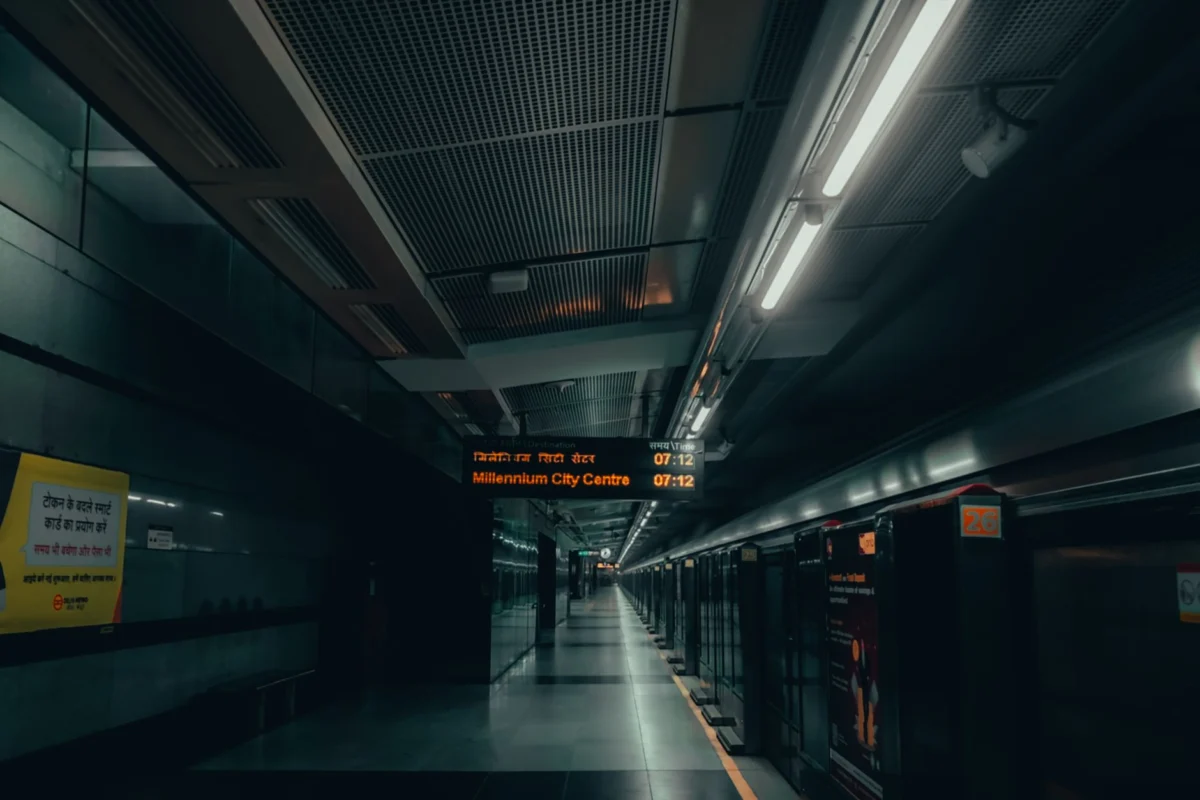
Delhi authorities shuttered metro stations and imposed traffic limits ahead of planned protests against India’s election chief. The measures were announced as demonstrators prepared to gather over what organizers call electoral misconduct. Police presence increased near key transport hubs and government districts.
The restrictions affect commuters across northern and central Delhi, disrupting daily routines during peak hours. Officials cited public safety concerns, though no further details were provided about specific timelines or enforcement protocols. The metro closures began before dawn, stranding passengers who rely on rapid transit for work and school.
Key Facts
- Delhi shuts metro stations ahead of new protest against election chief
- Restrictions include limited traffic movement around central areas
- Protest targets the national election commissioner directly
- Reuters first reported these actions within the last 12 hours
Who Is Affected By These Measures?
Millions of residents depend on the Delhi Metro for affordable and fast travel between neighborhoods and suburbs. With multiple stations closed, many commuters faced long delays or had to switch routes entirely. This includes students, office workers, and vendors whose livelihoods depend on predictable access to city centers. Emergency services such as ambulances and fire trucks are also navigating altered traffic patterns, raising concerns about response times during the heightened alert period.
Public transport disruptions often ripple beyond inconvenience—small businesses lose foot traffic when customers can’t reach commercial zones easily. In previous instances of large-scale demonstrations in Delhi, similar shutdowns led to reduced sales for local shops and street vendors. Additionally, low-income workers without private vehicles may miss shifts or appointments due to unreliable access to jobsites across the region.
What Happens Next For Upcoming Demonstrations?
The planned rally is part of ongoing unrest related to perceived irregularities in India’s recent general elections. While organizers have demanded accountability from the election commission, government officials have so far avoided commenting publicly on the allegations. Law enforcement agencies maintain tight surveillance and have urged calm, warning that unlawful assembly could trigger expanded restrictions under security laws.
Past protests in Delhi have sometimes escalated into clashes, prompting temporary internet blackouts and extended curfews in some districts. Authorities appear prepared to implement contingency plans if crowds breach barricades or attempt to march toward restricted government enclaves. Meanwhile, opposition leaders continue urging supporters to remain peaceful while pressing for transparency reforms ahead of future polls.
What We Know — and What We Don’
Verified by the source:
- Metro stations in Delhi were shut prior to new protests
- Traffic restrictions were enforced in parts of the capital
- Demonstrations are scheduled to target the election chief
- Reuters covered this story within the past twelve hours
Still unconfirmed:
- Exact number of closed metro stations or affected districts
- Official rationale behind security deployment decisions
- Statements or responses from election commission officials
- Expected duration of current restrictions or shutdown orders
For ordinary Indians, the credibility of electoral institutions forms the foundation of democratic trust—even routine administrative functions like commuting become symbolic when politicized. When protests disrupt urban life, they underscore deeper questions about governance transparency and civic engagement that resonate far beyond any single demonstration.
Moves by demonstrators will likely determine whether additional measures take effect. Government responses, including possible dialogue or concessions, remain unspecified until after initial gatherings unfold.
India’s federal structure grants states significant autonomy, but election oversight remains a Union-level responsibility managed by an independent body known as the Election Commission. Protests challenging its integrity raise complex questions about checks and balances within democratic systems worldwide. As tensions build in Delhi, attention turns to whether formal inquiries or policy adjustments follow the upcoming rallies.