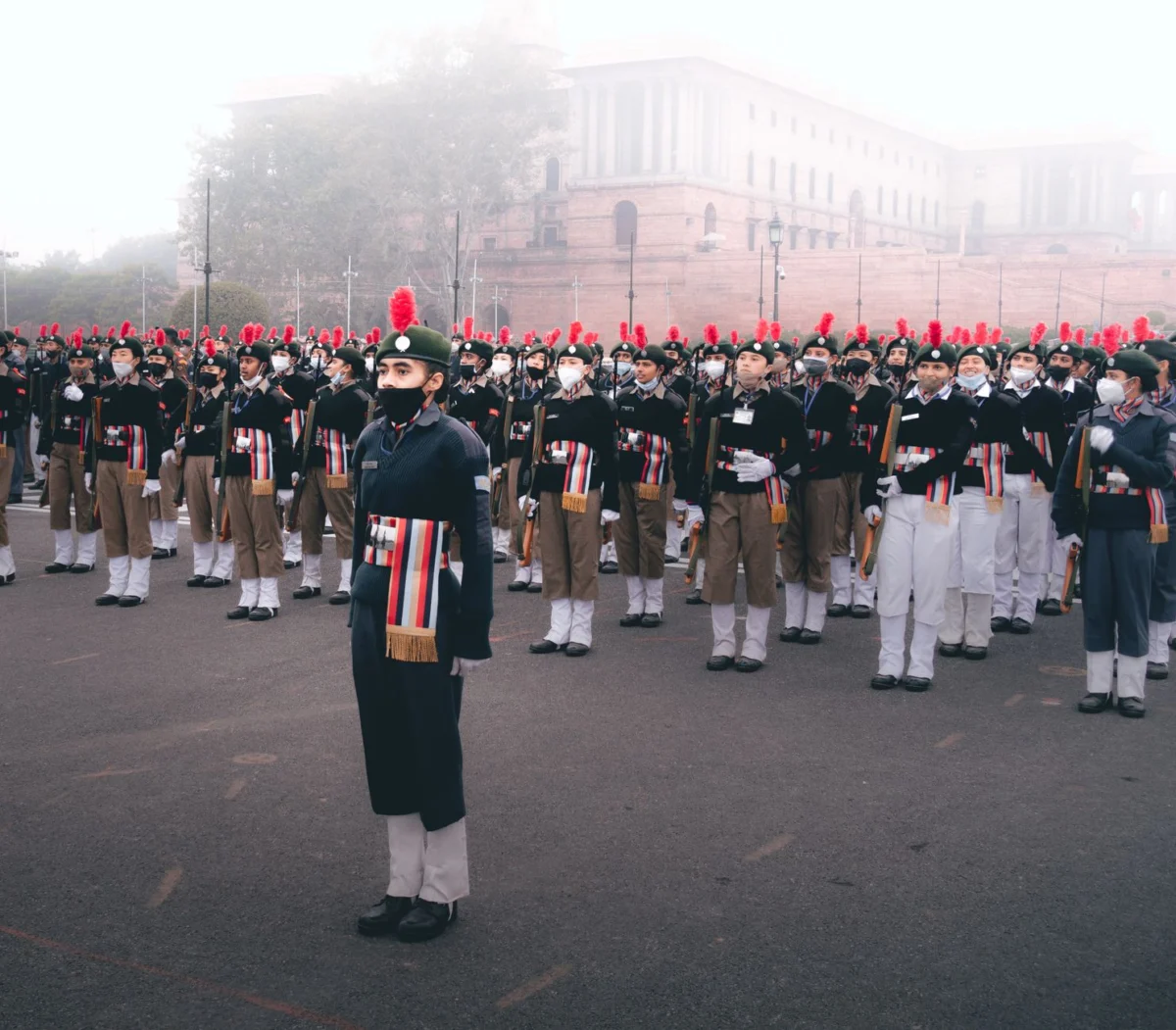
Delhi will earmark 20% of its Group C vacancies for former Agniveers, guaranteeing roughly 12,000 positions to soldiers who completed the three‑year short‑service commission.
The decision, announced Tuesday by the Delhi administration, translates to a concrete safety net for thousands of men returning to civilian life after serving in the Indian Army.
What is the quota about?
Group C jobs include clerical, supervisory and technical posts in municipal bodies, public schools, and transport corporations. By reserving 2,400 of the 12,000 slated openings for Agniveers, the government aims to ease their transition to the civilian workforce.
Why does this matter?
Unemployment among ex‑soldiers has long been a flashpoint in Delhi, where the average job‑search period for Agniveers exceeds 10 months, according to the state’s employment data. The quota not only offers stable income but also eases the fiscal pressure on the city’s social welfare schemes, which currently allocate over ₹1 billion annually for veteran assistance.
For families watching their sons trade rifles for resumes, the policy is a tangible promise. “My brother finished his service in 2024 and struggled to find a job. This reservation could be his break,” says Meena Sharma, a resident of Shahdara.
Economists note that integrating disciplined ex‑military personnel could improve productivity in public services. Their training in logistics, IT, and engineering aligns well with many Group C roles, potentially raising service standards across Delhi’s civic institutions.
Who is eligible?
Eligibility is limited to men who completed the Agniveer scheme between 2022 and 2025, hold a minimum of a 10th‑grade education, and have no pending disciplinary charges. Applications must be filed through the Delhi Government’s online portal by 30 September 2026.
Applicants will be ranked on a points system that considers length of service, educational qualifications, and performance ratings from their military tenure.
What happens next?
The reservation will be reviewed annually. If the number of eligible Agniveers drops below the reserved quota, the surplus seats will revert to the open merit pool.
Stakeholders are already watching the rollout. Labor unions fear that the set‑aside could shrink opportunities for general applicants, while veteran groups hail it as overdue recognition.
Delhi’s move inserts a new variable into the city’s already complex employment equation, and its impact will ripple through households, public institutions, and the broader economy.
Follow-up reporting will track how many ex‑Agniveers secure these jobs and whether the policy spurs similar reservations in other Indian states.
Read more about related employment trends in the economy and markets section.