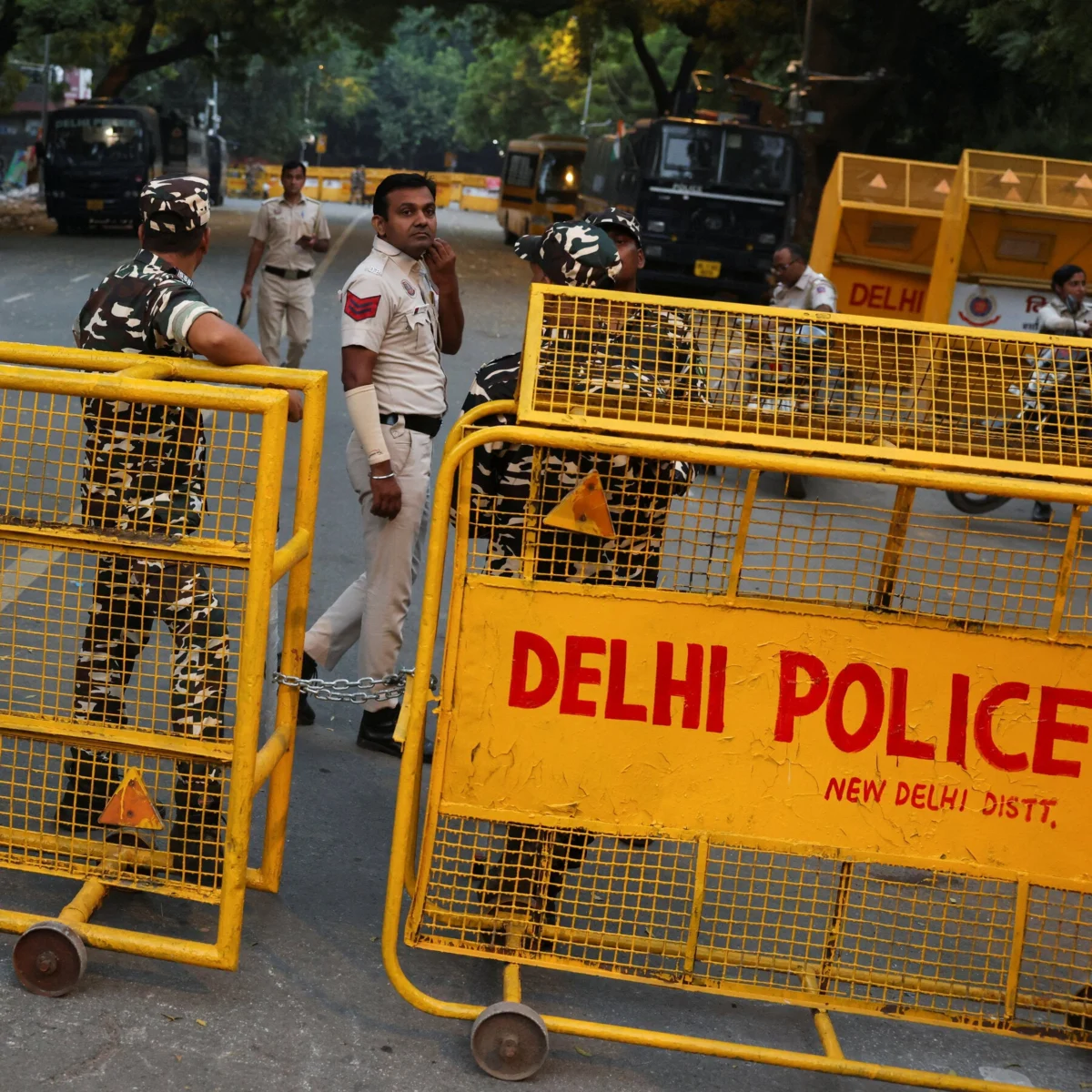
Protesters in New Delhi are rallying against sweeping revisions to India’s voter rolls, with police present in large numbers.
The demonstration centers on changes that opponents say could alter who is registered to vote, though the specific scope of the revisions was not detailed in the source report.
KEY FACTS
- Protesters opposed to voter roll revisions are rallying in New Delhi.
- The police have deployed in force to the area.
- The revisions have been described as sweeping in nature.
The Story
What happens next?
Authorities have not announced whether the protests will be allowed to continue or whether new permits will be required for further demonstrations. The police presence suggests officials may attempt to manage crowd size and movement as the situation develops. Protest organizers, whose identities were not named in reporting, have not issued public statements about future plans. The lack of detailed information about next steps reflects the fluid nature of street demonstrations and the cautious approach often taken by law enforcement in high-stakes political gatherings. Indian electoral law governs many procedures around voting and voter registration, but the specific legal framework for these revisions was not outlined in available reporting. Observers will likely watch for responses from election officials and potential court involvement if protests escalate or if new restrictions are imposed on public gatherings in the capital city.
Who is affected?
The protests center on voter roll revisions that affect citizens across India, particularly those whose registration status may change due to new criteria. Demonstrators themselves are directly involved in opposing these changes, while local residents and commuters in New Delhi may experience disruptions from the police presence and street closures. Broader implications could extend to national elections if the revisions are adopted more widely beyond the capital region. Political parties, advocacy organizations, and civil society groups are expected to monitor the situation closely. The outcome may influence how India manages future electoral processes and public participation in democracy. International observers might also track developments given India’s status as the world’s largest democracy.
How did we get here?
The current protests stem from government or administrative action to revise voter rolls, which some view as overly broad or restrictive. Previous cycles of voter registration updates in India have typically involved verifying existing entries or adding newly eligible citizens. However, when revisions are labeled as sweeping, it implies significant departures from standard procedures. This may include removing names considered ineligible or requiring additional documentation that some find difficult to provide. The decision to revise rolls at scale likely followed internal administrative reviews or policy directives not fully detailed in initial reporting. Past instances of voter list adjustments in various Indian states have sparked controversy, though each case involves different contexts and justifications.
WHAT WE KNOW — AND WHAT WE DON’T
Verified by the source:
- Protesters are opposing revisions to Indian voter rolls.
- The protest is taking place in New Delhi.
- The police are present in force according to reporting.
- The revisions have been described as sweeping in scope.
Still unconfirmed:
- No specific details about the nature of the voter roll changes.
- No official names, titles, or quotes from authorities involved.
- No timeline for when or why the revisions were implemented.
- No casualty figures, arrests, or specific incident locations reported.
Why It Matters
Voter eligibility rules shape who participates in democratic decision-making, making elections a cornerstone of representative governance worldwide. When large-scale changes occur without public input, they can raise concerns about transparency and fairness in electoral systems. In India, home to over a billion voters, any shift in registration criteria could have profound effects on political representation and civic engagement. The intersection of street protests and electoral policy underscores how fundamental democratic rights remain a point of intense public interest globally.
What To Watch
Authorities have not commented publicly on next steps, so developments will likely unfold through ongoing demonstrations and possible official statements regarding permits or security measures.
Meta description: Protests in New Delhi oppose sweeping Indian voter roll changes amid heavy police presence.