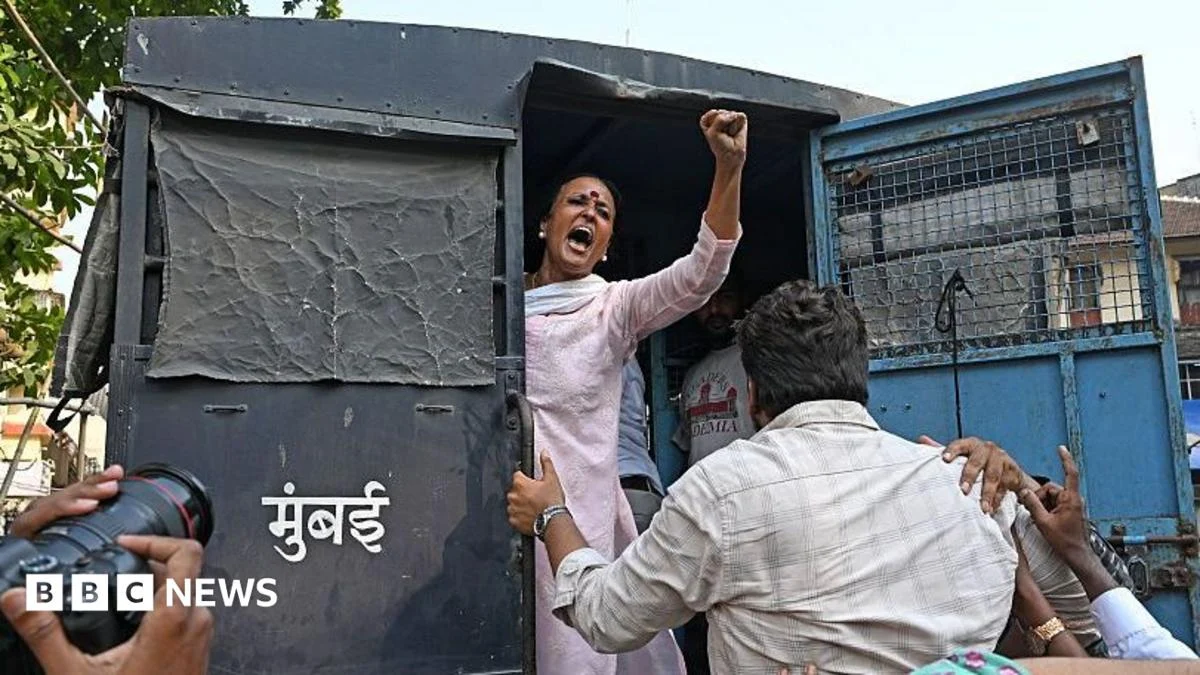
Delhi protesters are expected to take to the streets again after leaders of a group labeled as a ‘cockroach’ organization were released from custody, prompting authorities to tighten restrictions in the city centre.
Police said they will maintain curbs on movement following the detention of approximately 7,000 individuals on Saturday, all of whom were later freed. The situation remains tense as demonstrations appear set to resume.
Key Facts
- Delhi police will keep restricting access to the city centre.
- Roughly 7,000 people were detained on Saturday and then released.
- Leaders of a group referred to as a ‘cockroach’ group have been released.
- Authorities expect further Delhi protests to occur.
What happens next?
Delhi protests could escalate in coming days as activists regroup following the release of their leaders. Authorities have indicated they will maintain restrictions in central areas, suggesting a controlled but cautious approach to managing public gatherings.
The group at the center of the unrest has been described in media reports as being associated with hardline tactics, though specific details about its structure or goals were not provided in the source. Police have not disclosed whether additional arrests are anticipated or if alternative protest zones have been designated outside the restricted area.
Government officials have previously used strict countermeasures during periods of civil unrest in the national capital, including internet shutdowns and enhanced surveillance. However, the decision to release all detained individuals signals a measured response, balancing law enforcement concerns with legal and diplomatic considerations.
Background on the movement
The term ‘cockroach group’ gained traction in public discourse after being used by officials to describe organizations involved in disruptive demonstrations. While no formal definition was offered in the source, the label implies a perceived threat to governance or social order, often invoking strong emotional reactions among supporters and opponents alike.
Such terminology has precedent in political rhetoric globally, where symbolic naming plays a role in shaping narratives around legitimacy and resistance. In this instance, the naming may reflect broader tensions tied to separatist sentiment or ideological dissent within the region.
Regardless of interpretation, the phrase has become a rallying point for those protesting what they view as excessive state control. Their release has emboldened followers who see it as validation of their cause, increasing pressure on both demonstrators and policymakers alike.
What We Know — and What We Don’t
Verified by the source:
- Police plan to keep restricting access to Delhi‘s city centre.
- Approximately 7,000 people were detained on Saturday and subsequently released.
- Leaders of a group called a ‘cockroach’ group were released.
- Officials anticipate more Delhi protests following these events.
Still unconfirmed:
- No specific date given for when the detentions occurred.
- Exact number of released leaders or their identities remains unknown.
- Causes or motivations behind the original protests are unclear.
- Official statements or responses from protest organizers were not included.
- Extent of property damage or injuries reported during Saturday’s detentions is absent.
Why it matters
The ongoing Delhi protests highlight rising friction between civil society and state mechanisms in one of South Asia’s most populous cities. As authorities navigate balancing security and expression, public trust hangs in the balance. These developments carry implications beyond local borders, influencing regional stability and democratic norms alike.
What to watch
Updates on whether new curfews or emergency measures will be implemented in Delhi are expected soon, particularly if large-scale gatherings resume.
Delhi protests follow the release of leaders from a banned group after 7,000 detentions.