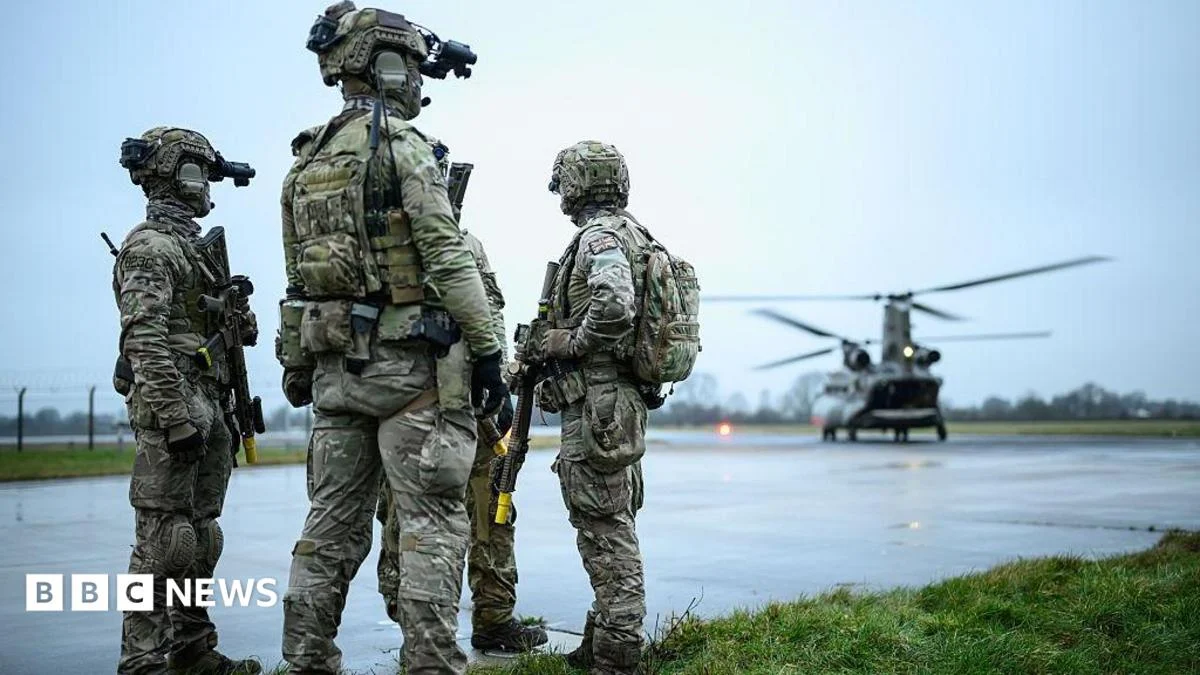
The long‑delayed defence spending plan will be published, setting out how billions of pounds will be spent on equipping the UK Armed Forces and highlighting drone warfare. This announcement follows years of anticipation about a comprehensive investment strategy.
What does the plan include?
The upcoming document is expected to detail the allocation of funds across a range of capabilities, with particular emphasis on modernising the force through unmanned systems. While specific figures are not disclosed, the emphasis on drones signals a shift towards new technologies in defence procurement.
Why does this matter?
Investing in drone technology is seen as a way to enhance operational flexibility and potentially reduce costs compared with traditional platforms. The focus on unmanned systems reflects broader trends in global security, where many nations are prioritising remote‑operated capabilities.
By outlining the financial commitment, the defence spending plan provides transparency for policymakers, industry partners and the public. It also aligns the UK’s military readiness with evolving threats and the need for rapid response mechanisms.
What happens next?
Once published, the plan will guide contracts and procurement decisions over the coming years. Government departments and defence contractors will begin the process of translating the strategic priorities into concrete projects, particularly in the area of drone development and deployment.
Stakeholders will monitor how the allocated billions are distributed, and analysts will assess the impact on the UK’s overall defence posture. The emphasis on drones may also influence future training, doctrine and international collaboration.
For more context on how defence budgets intersect with global security, see our war‑geopolitics coverage.
In summary, the forthcoming defence spending plan promises a significant financial commitment to modernise the armed forces, with drones at the heart of its strategic direction, setting the stage for the next phase of the UK’s defence capabilities.