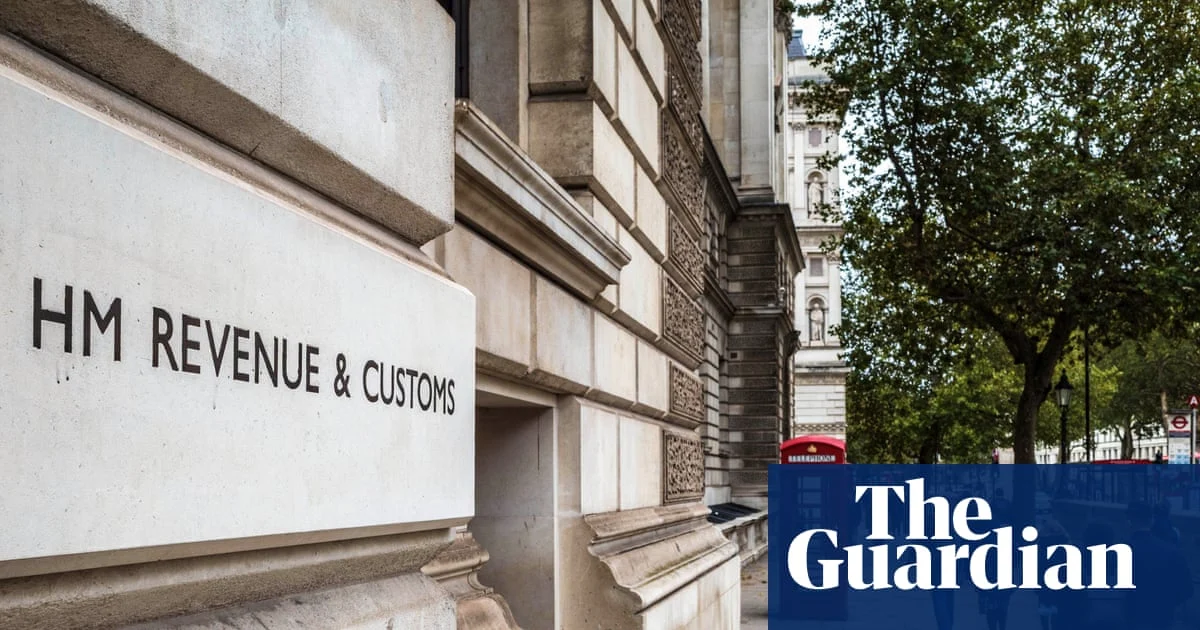
Andrew Woosnam, a recruitment industry figure whose two previous companies collapsed with £3m in unpaid debts, has resurfaced at the helm of a revived business, according to reporting in The Guardian. The revived firm appears to be operating despite earlier creditor losses, including unpaid amounts owed to HM Revenue and Customs.
The pattern reflects wider concerns about phoenix companies — businesses that re-emerge in similar form after insolvency — which research suggests are more likely to fail again. Woosnam built his recruitment firms over three decades beginning in the 1990s, drawing millions in salary, dividends and loans before the earlier collapses.
Key Facts
- Woosnam ran two recruitment firms that collapsed with around £3m in debts.
- Creditors, including HMRC, were left unpaid in the earlier failures.
- A revived company linked to Woosnam is reported to be operating.
- Research finds phoenix companies face higher failure rates.
- Woosnam acquired assets including a Berkshire home once owned by Dawn French and Lenny Henry.
How did this happen?
Woosnam learned his trade in the 1990s before launching his own recruitment firm at the turn of the millennium. The businesses generated enough revenue to pay him millions in salary, dividends and director’s loans, and to fund personal asset purchases. When the companies later collapsed, creditors — including the tax authority — reportedly absorbed losses of roughly £3m.
Insolvency records typically prevent directors from immediately restarting identical businesses, but phoenix arrangements allow new entities to pick up assets and contracts under revised ownership. Such deals are legal when properly structured, though critics argue they can shield individuals from consequences intended to protect creditors.
The revived company’s emergence follows a pattern flagged in recent academic and regulatory analysis. Studies cited by The Guardian indicate that businesses reborn through phoenix mechanisms exhibit higher re-failure rates than those returning from standard insolvency, suggesting persistent underlying weaknesses rather than clean fresh starts.
What happens next?
The revived recruitment business will face the same market pressures as any new firm, including cash-flow discipline and compliance obligations. However, its structural similarities to the failed predecessors may keep close scrutiny from creditors, regulators and industry observers.
Insolvency practitioners and small-business watchdogs have previously called for tighter rules around director conduct and asset transfers in phoenix deals, arguing that current safeguards do not always prevent repeat collapses. Whether this revived firm meets those concerns will depend on its financial performance and transparency over the coming quarters.
For HMRC, unpaid taxes from earlier failures remain a point of frustration. The tax authority has limited recourse once a company enters formal insolvency, making recovery dependent on personal guarantees or director disqualification proceedings — both of which require separate legal action.
What We Know — and What We Don’t
Verified by the source:
- Two Woosnam-linked recruitment firms collapsed with about £3m in debts.
- HMRC and other creditors were left unpaid, per The Guardian.
- A revived company is reportedly operating under Woosnam’s direction.
- Academic research links phoenix companies to higher re-failure rates.
- Assets purchased included a former Dawn French and Lenny Henry home in Berkshire.
Still unconfirmed:
- Exact legal structure of the revived business.
- Specific amounts owed versus recovered in earlier collapses.
- Whether new creditors have been disclosed or secured.
- Any ongoing director disqualification or insolvency investigations.
- Total personal wealth and current salary drawn by Woosnam.
Why it matters
Repeated business failures involving significant unpaid debts touch public trust in commercial accountability and tax compliance. When individuals reappear in control of similar enterprises, it raises questions about whether insolvency protections serve creditors and the broader economy as intended. This story fits within our war-geopolitics coverage and relates to themes in our economy-markets reporting on corporate governance and financial integrity.
What to watch
Regulators may consider further review of phoenix company guidelines following renewed public attention. Creditors and analysts will be watching the revived firm’s financial disclosures and payment behaviour for signs of repeat distress, and the article serves as the meta description: a recruitment boss whose earlier firms owed £3m has reappeared running a revived company, echoing research linking phoenix deals to higher failure rates.