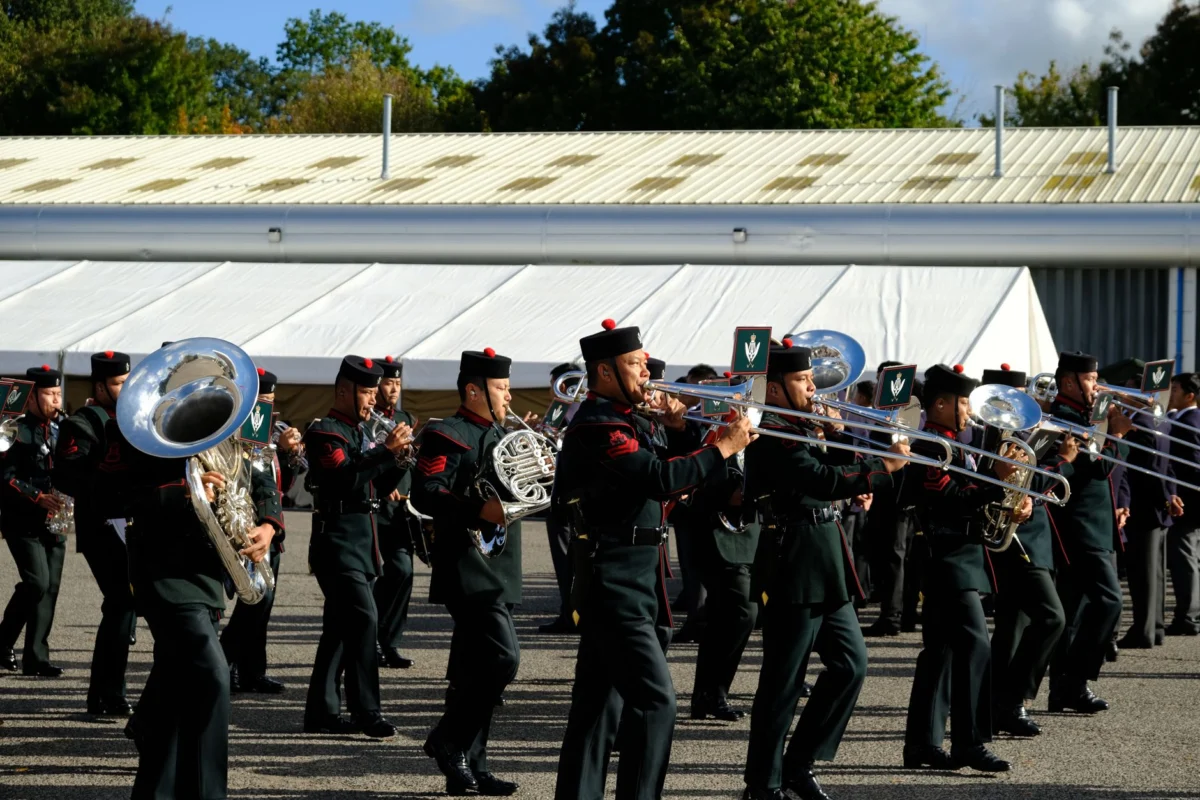
A lone trumpet blared the iconic Imperial March outside a Marine barracks on June 12, 2024, as soldiers marched past the Capitol. The 61‑year‑old resident, Michael Reynolds, had set up a portable speaker and played the ominous theme for three minutes, prompting a handful of service members to pause and stare.
Reynolds was arrested on the spot for “disorderly conduct” and “impeding military operations.” He sued the federal government, arguing that his conduct was protected speech. Last week a federal judge awarded him a $50,000 settlement, plus an official apology.
Why the settlement matters
The case tests the balance between free expression and the government’s responsibility to protect troops from harassment. Legal scholars have long debated whether the First Amendment shelters political protest that occurs in front of military installations. This ruling suggests courts may lean toward protecting speech, even when it’s theatrical and disruptive.
What happened after the music stopped?
After the music ceased, two Marines approached Reynolds, asked him to turn off the speaker, and called security. Within minutes, D.C. police arrived, handcuffed Reynolds, and took him to the precinct. The citation listed a $200 fine, but prosecutors dropped it after the civil suit.
The lawsuit claimed the arrest violated Reynolds’ constitutional rights. The government’s defense rested on the premise that the music constituted a threat to operational readiness. The judge rejected that argument, noting no evidence of actual interference.
Who is affected?
Anyone who lives near a federal installation now faces a clearer legal roadmap. “If you’re near a base, you still have First Amendment protections, but you must not pose a genuine safety risk,” the ruling states.
Activists see the decision as a win for protestors, while some military officials worry it could embolden disruptive actions during drills or deployments. The Pentagon has not yet issued new guidance on civilian conduct near forts.
Why does this matter to you?
Beyond the headline, the settlement signals how courts may handle future clashes between protest and security. As political tensions rise, citizens may resort to creative demonstrations—think flash‑mob chants or drone‑delivered messages. Knowing the legal limits helps protect both civic liberty and public safety.
Reynolds’ case also raises questions about how much money taxpayers should spend on civil‑rights settlements versus security upgrades. The $50,000 payout, while modest for the federal budget, could set a precedent for larger claims if similar protests multiply.
What happens next?
The government has filed an appeal, arguing the judge erred on constitutional grounds. The appeal could reach the Fourth Circuit Court of Appeals later this year, potentially reshaping the legal landscape for protests near any federal property.
Meanwhile, Reynolds says he plans to use the settlement to fund a local veterans’ charity—a gesture that underscores the odd camaraderie that can arise from a quirky act of protest.
Stay tuned as the appellate court decides whether the Imperial March will echo in legal textbooks for years to come.