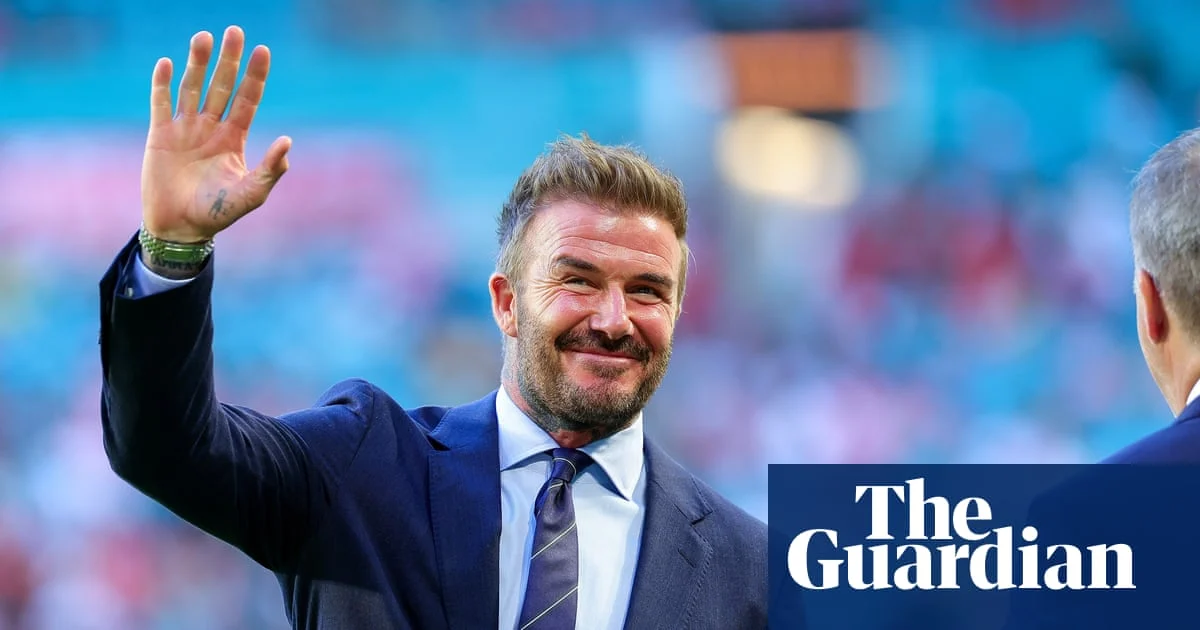
David Beckham dividend of £39m was approved by his holding company after a summer of high-profile advertising work tied to the Fifa World Cup. The payout reflects the profitability of celebrity branding around global sporting events. Beckham appeared in about twelve ad campaigns during the tournament in the United States, partnering with major international brands. These partnerships contributed to record revenue of £85m ($110.5m) for his business group, according to reporting by The Guardian. The dividend and revenue figures highlight how former athletes can monetize their public profile long after retiring from competition. This dynamic has grown more pronounced as brands seek recognizable faces to cut through crowded media markets. Beckham’s strategy leaned heavily on nostalgia and cross-generational appeal, allowing him to command premium fees for brief appearances in commercials. His participation in multiple campaigns within a single month underscores the scale of commercial interest surrounding marquee events like the World Cup.
Key Facts
- David Beckham took a £39m dividend from his business empire.
- His holding company reported record revenue of $110.5m.
- Beckham featured in about 12 ad campaigns during the summer World Cup.
- Partner brands included Lenovo, McDonald’s, and Bank of America.
- Other collaborators were Verizon and Lay’s, part of PepsiCo.
What drove the £39m dividend?
The dividend stems directly from advertising revenue generated during the summer Fifa World Cup in the United States. Beckham’s involvement spanned roughly a dozen campaigns across diverse sectors including technology, fast food, banking, telecommunications, and consumer snacks. His presence in these ads likely boosted brand visibility and sales during peak global viewership periods. As a globally recognized figure with enduring fame, Beckham represents a bridge between past prestige and current commercial relevance. His ability to attract audiences across age groups makes him valuable to marketers seeking broad reach. David Beckham’s participation in so many campaigns within one event illustrates the concentrated value placed on celebrity endorsements during live sports broadcasts.
Who benefits from the record revenue?
While the article does not name individual shareholders beyond Beckham, the record revenue bolsters the financial standing of his entire business network. Holding companies typically distribute profits among stakeholders, though specifics about other investors remain undisclosed. The success of this model may encourage similar brand strategies in future tournaments or events. For consumers, increased celebrity-driven advertising could mean more polished, emotionally resonant marketing campaigns. Meanwhile, brands gain access to built-in audiences who associate positive memories with familiar public figures. This feedback loop strengthens the economic incentive for companies to invest in celebrity partnerships during major cultural moments.
What We Know — and What We Don’t
Verified by the source:
- The £39m dividend was taken by David Beckham.
- The holding company’s revenue reached $110.5m.
- Beckham appeared in about 12 ad campaigns during the World Cup.
- Advertisers included Lenovo, McDonald’s, Bank of America, Verizon, and Lay’s.
- The campaign period coincided with the summer World Cup in the US.
Still unconfirmed:
- The exact timing of the dividend payment.
- Whether any other individuals or entities received payouts.
- The specific contract terms or payment structures with each brand.
- If any portion of the revenue came from sources outside the listed campaigns.
- The full ownership structure of Beckham’s holding company.
Why It Matters
This story reflects the evolving economy of celebrity influence, where retired athletes leverage legacy status to generate substantial income streams. In an era dominated by social media and fragmented attention, brands still turn to iconic figures during mass-audience events like the World Cup. David Beckham dividend serves as a case study in how personal branding extends far beyond active careers. Such arrangements also raise questions about transparency in corporate finance when dividends and revenues are reported without detailed breakdowns.
What To Watch
Future reports may shed light on whether Beckham repeats this advertising strategy in upcoming global events. Additional disclosures might clarify how his business model adapts to changing consumer habits and digital platforms.