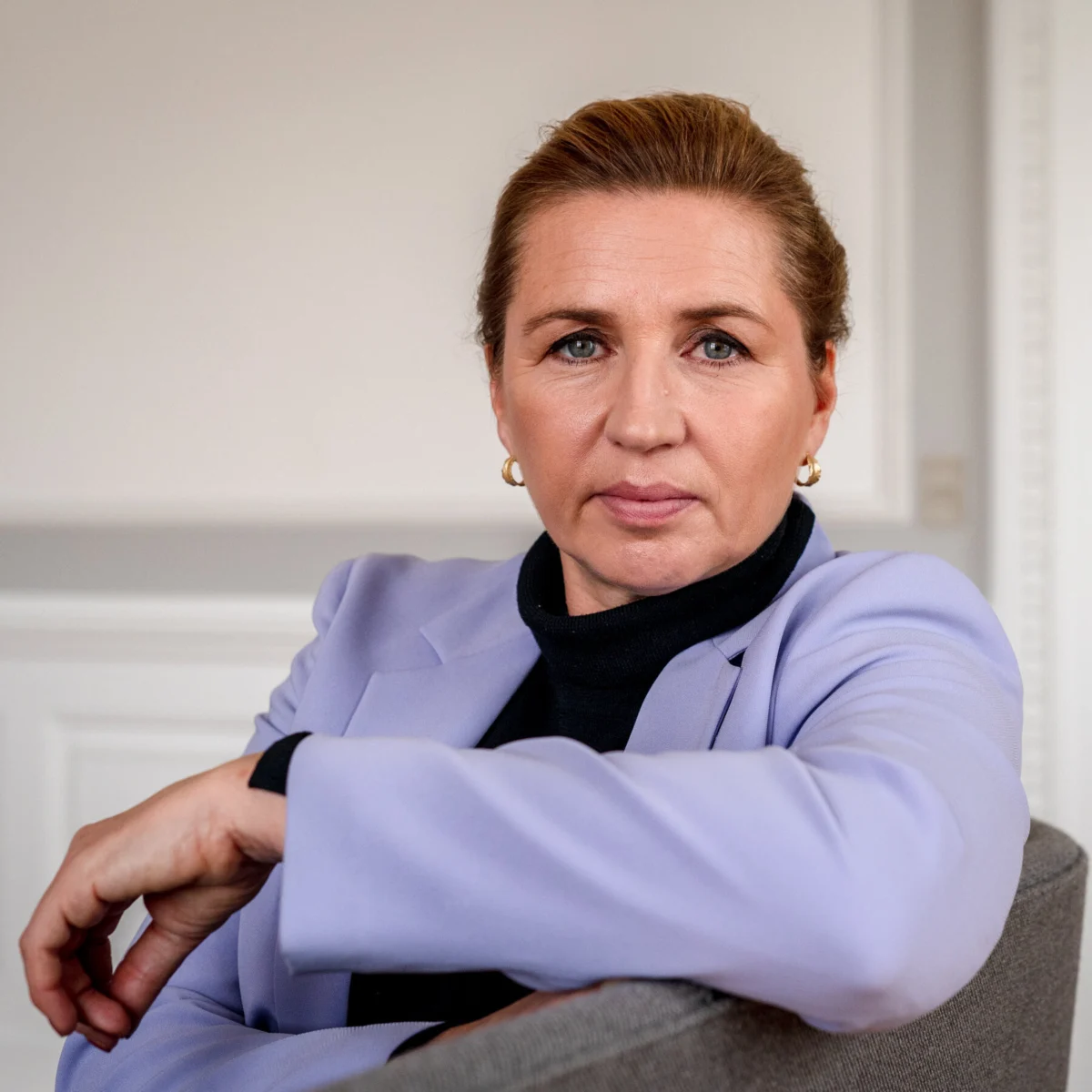
Danish Prime Minister Mette Frederiksen responded to unsolicited beauty advice from a plastic surgeon who asked if she wanted to fix her nose. The incident occurred after Frederiksen returned from a trip to Ukraine, though no further details about the context or the surgeon’s message were provided.
The exchange highlights ongoing public scrutiny of women leaders’ appearances, even amid geopolitical engagements. Frederiksen’s response, ‘I’m fine with my body,’ reflects a broader resistance to unwarranted personal critiques.
Key Facts
- Danish Prime Minister Mette Frederiksen received unsolicited advice from a plastic surgeon.
- The surgeon asked if she wanted to ‘fix her nose.’
- Frederiksen had recently returned from a trip to Ukraine.
- She responded, ‘I’m fine with my body.’
How Did This Happen?
The plastic surgeon’s message came shortly after Frederiksen returned from Ukraine, though the exact timing and method of communication remain unclear. The incident underscores how women in leadership often face personal scrutiny unrelated to their roles.
Frederiksen’s public dismissal of the advice aligns with broader resistance to gendered critiques of appearance. The lack of detail about the surgeon’s identity or motives leaves room for speculation but also emphasizes the intrusiveness of unsolicited comments.
Why This Stands Out
Frederiksen’s response contrasts with traditional expectations for women leaders to remain silent on personal critiques. Her direct reply reinforces a growing trend of politicians, especially women, rejecting irrelevant commentary on their appearance.
The incident also raises questions about the boundaries between public figures’ professional and private lives. While the surgeon’s intent is unknown, the message exemplifies the undue focus on women’s looks in politics.
What We Know — and What We Don’t
Verified by the source:
- A plastic surgeon sent Frederiksen unsolicited advice about her nose.
- Frederiksen replied, ‘I’m fine with my body.’
- The message followed her return from Ukraine.
Still unconfirmed:
- The surgeon’s identity or affiliation.
- How the message was delivered (email, social media, etc.).
- Whether there was any further response or backlash.
Why It Matters
This incident highlights the persistent double standards faced by women in leadership, where their appearance often becomes a topic of public debate regardless of their professional achievements. Frederiksen’s response challenges these norms, reinforcing the need to focus on substance over superficial critiques.
What To Watch
Whether this sparks broader discussions about the treatment of women leaders or prompts further reactions from political figures. For more on gender and politics, see our war-geopolitics coverage.