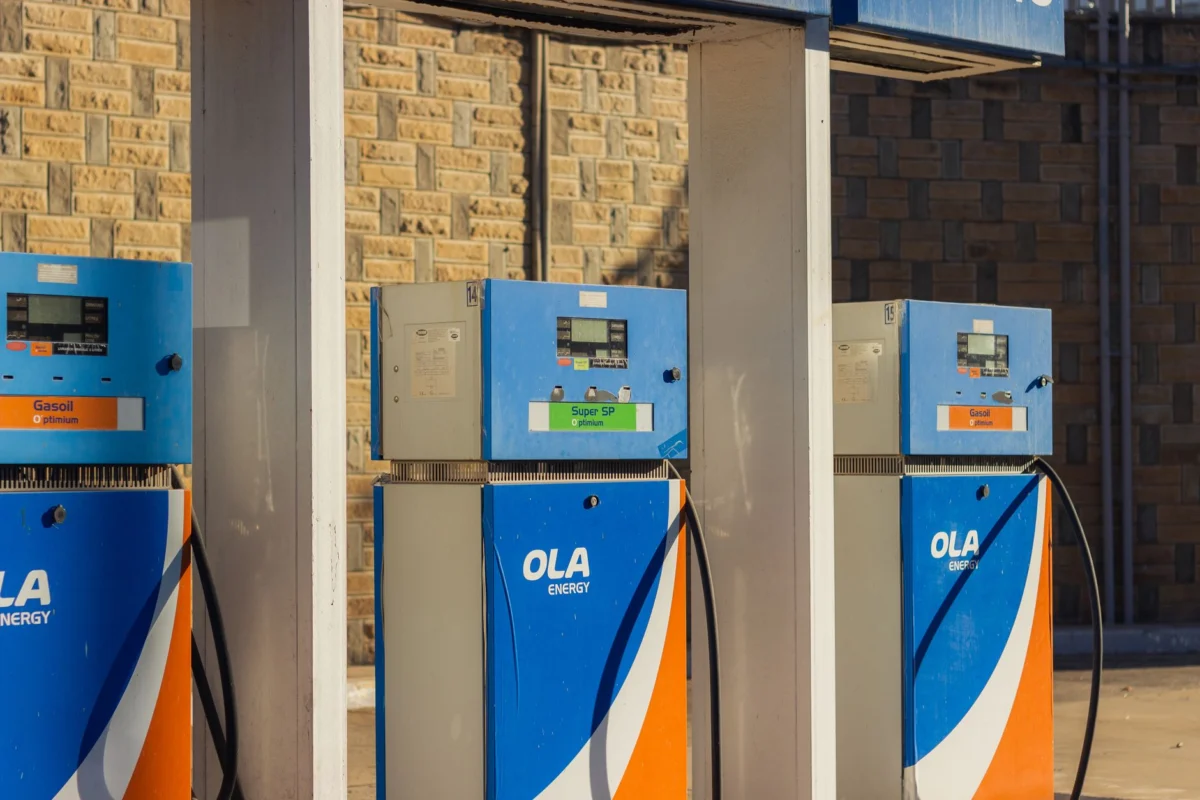
Dangote Petroleum announced a fresh fuel price cut on Thursday, lowering aviation kerosene by N100 per litre while keeping gasoline and diesel unchanged.
The reduction brings the price of jet fuel to N530 per litre, down from N630, a move that airline operators say could shave millions of naira off operating costs.
“This is a welcome relief for the aviation sector,” said an unnamed airline executive who confirmed the new rates will be applied from next Monday.
Dangote’s decision follows a series of nationwide fuel adjustments last month, where the company trimmed gasoline and diesel by N50 per litre. The latest cut targets the segment that has suffered the steepest price hikes since 2022.
Why does this matter?
Lower jet fuel costs translate directly into cheaper tickets for passengers and reduced freight charges for businesses. With Nigeria’s GDP growth projected at a modest 2.3% this year, any cushion on transport expenses can help sustain trade flows and tourism.
For the average Nigerian, the ripple effect may be felt at the checkout counter when airlines pass savings onto fare structures.
Who is affected?
Domestic carriers like Air Peace and Arik Air stand to benefit most, as their fleets run on locally sourced kerosene. Smaller regional operators, which often operate on tighter margins, could avoid route cancellations that have become common during fuel spikes.
Beyond airlines, the broader logistics chain—cargo handlers, tourism operators, and even manufacturers relying on air freight—could see cost reductions that improve cash flow.
What happens next?
The Nigerian regulator, the Department of Petroleum Resources, must approve the new rates before they become binding. Analysts expect a swift green light, given Dangote’s market share of roughly 40% in the fuel sector.
If approved, the cut could trigger a competitive response from other importers, potentially igniting a broader price war that would benefit consumers across the board.
Watch this space: the next week will reveal whether the government’s fiscal policy, still grappling with inflation above 30%, will accommodate further fuel subsidies or let market forces set the tempo.
For continuous updates on how fuel dynamics shape Nigeria’s economy, follow our economy and markets coverage.