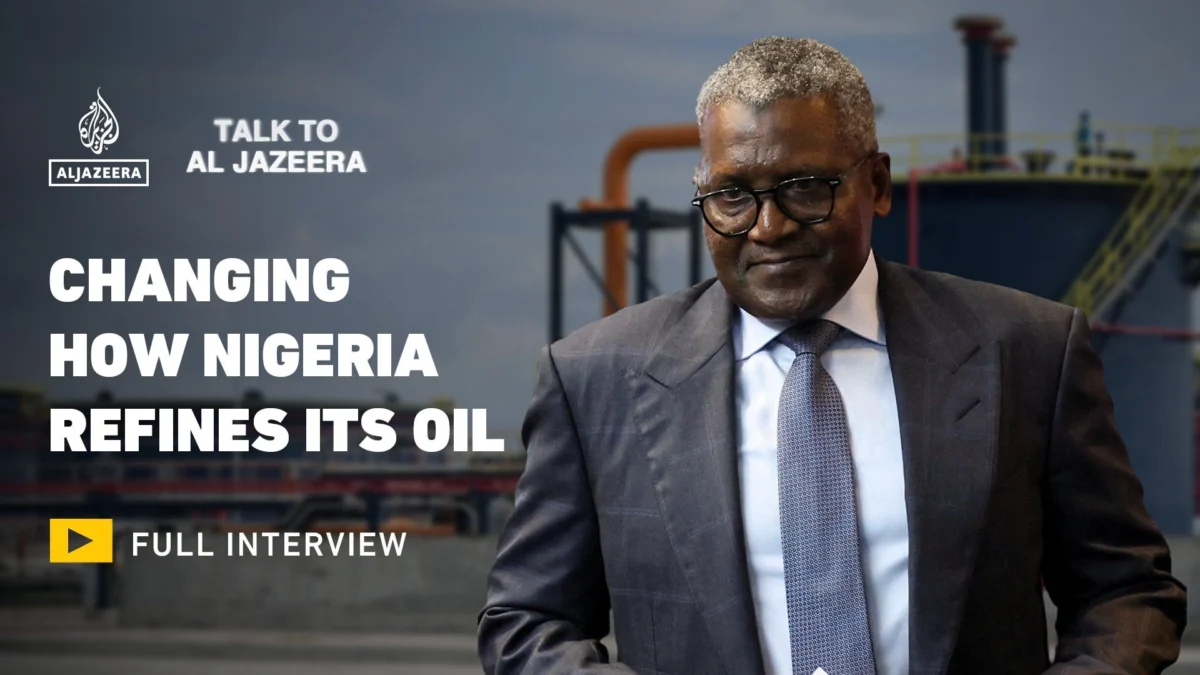
Dangote says refining Nigeria oil is key to helping Africa grow wealthy and self-sufficient. The world’s richest Black man has made refining Nigeria oil a centerpiece of his plan to cut African dependence on imported fuels. By turning Nigeria’s crude into local petroleum products, he says the continent can keep more value at home and reduce what it spends buying refined oil from abroad.
His argument reflects a broader belief that industrializing Africa’s own energy resources — rather than exporting raw crude and re-importing finished products — could create jobs, stabilize prices, and free up foreign exchange for schools, hospitals, and infrastructure. The refinery project, once completed, is meant to supply much of West Africa with locally produced fuel, lowering transport costs and import bills for Nigeria and its neighbors.
Key Facts
- Subject: Aliko Dangote is building a refinery in Nigeria.
- Goal: He wants Africa to be self-sufficient and less reliant on imports.
- Status: He is described as the world’s richest Black man.
- Scope: The project focuses on refining Nigeria oil.
- Purpose: The effort aims to create wealth and assist Africa.
The Story
What happens next for refining Nigeria oil?
Dangote’s refinery is designed to process large volumes of Nigerian crude, turning it into gasoline, diesel, and jet fuel that can be sold across West Africa. Supporters say local refining could slash Nigeria’s fuel import bill — roughly tens of billions of dollars annually — and ease chronic shortages that have driven long queues at gas stations. It could also free up hard currency now spent on imported oil products for schools, hospitals, and roads.
Beyond Nigeria, analysts note that many African nations import most of their refined petroleum even while producing crude, a pattern that drains foreign exchange and raises the cost of transport and power. A functioning regional refinery could let neighboring countries source fuel closer to home, strengthening energy security and lowering consumer prices across the continent.
Who is affected by Dangote’s refining push?
Nigeria’s roughly 200 million people are the most direct beneficiaries if the refinery delivers cheap, reliable fuel. Fuel costs affect everything from bus fares to food prices since most goods move by truck. Industries that depend on diesel and gas — cement, textiles, fertilizers — would also gain from steadier local supply.
Government revenues could rise too: instead of exporting crude at discounted official prices and importing refined products at premium international rates, Nigeria would capture more margin domestically. That added income could go toward public services and infrastructure if the state manages it transparently.
How did we get here?
Nigeria, one of OPEC’s largest producers, has long struggled to refine enough oil for domestic use. Decades of underinvestment and aging plants have left the country importing most of its refined fuel despite producing 1–2 million barrels of crude daily. Pastprivatization attempts repeatedly stalled, leaving Nigerians paying more for imports than many other Africans pay for their own locally refined gasoline.
Dangote first announced his $10 billion complex in 2013, expanding the plan to include fertilizer production and petrochemicals. After repeated construction delays and cost overruns, the first test runs began in 2023, with full output expected later this year. The project now stands as the largest single-train greenfield refinery built in Africa in decades, capable of processing 650,000 barrels per day.
What We Know — and What We Don’t
Verified by the source:
- Dangote is building a refinery in Nigeria focused on refining Nigeria oil.
- He wants Africa to become more self-sufficient and less reliant on imports.
- The project aims to help Africa and create wealth.
Still unconfirmed:
- Exact completion date and production capacity.
- Whether fuel prices for consumers will drop once output begins.
- Environmental impact and local community compensation details.
- Full financial terms and funding sources.
Why It Matters
For most Africans, daily life is shaped by fuel prices that spike because countries export crude but import refined products. If Dangote’s refinery delivers even half its promise, it could reshape how energy flows through West Africa and give Nigeria a tool to build rather than simply sell raw oil.
What To Watch
The big test will be whether the refinery ramps up to full scale as scheduled and whether domestic prices follow global trends. Al Jazeera has not reported a firm completion date, so observers are waiting for confirmation from officials and early customer feedback.