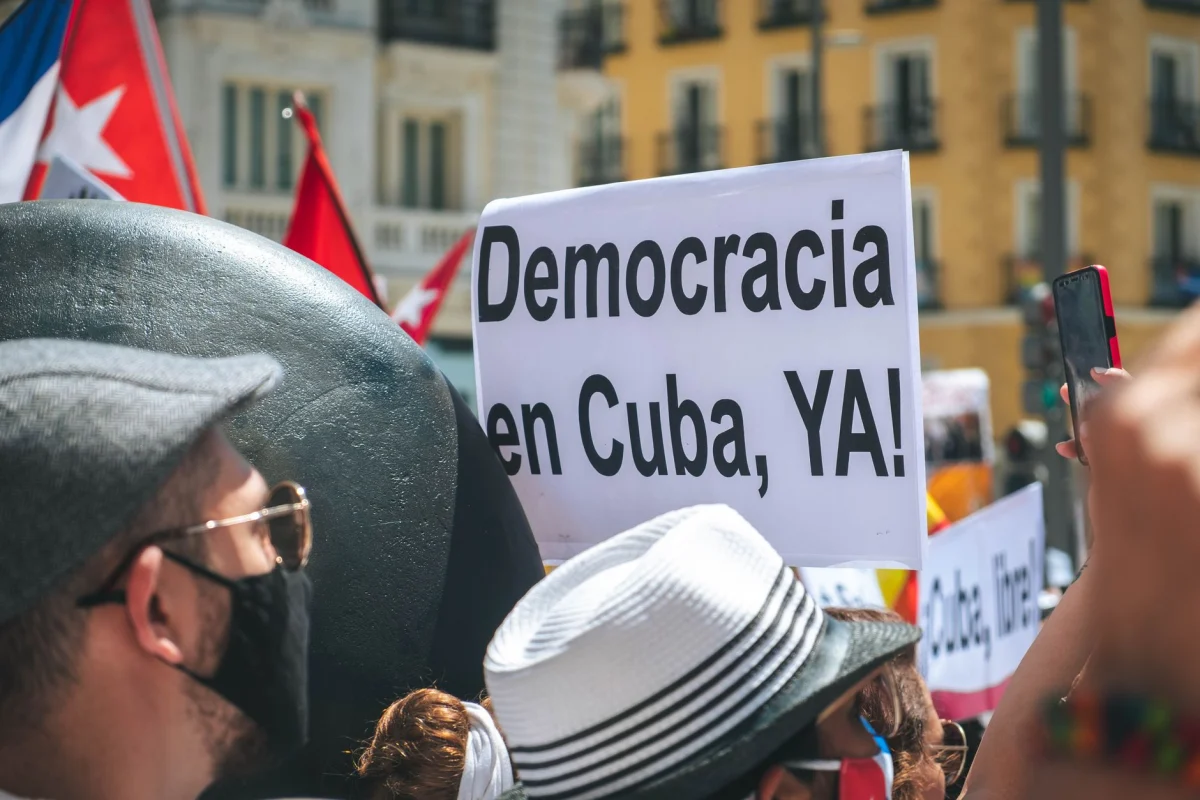
The George W. Bush Presidential Center has recently asserted that any efforts to revitalize Cuba’s economy must be accompanied by significant political reforms. The Center emphasizes that a closed political environment stifles the potential benefits of economic liberation.
The call for a more open political system comes as Cuba navigates various challenges, including a struggling economy exacerbated by U.S. sanctions and the lingering impacts of the COVID-19 pandemic. According to the report, the country’s government has historically maintained strict controls over economic and social freedoms, which has deterred foreign investment and limited domestic entrepreneurship.
Officials from the Center argue that without a democratic framework, any economic initiatives are likely to be undermined by systemic inefficiencies and corruption. “Cuba’s future prosperity hinges not only on how it manages its economy but also on how it allows its people to participate in the decision-making processes affecting their lives,” a spokesperson from the Center stated.
Experts in international relations support this view, noting that democratic reforms could attract more international partnerships. Analysts believe that the infusion of fresh capital from abroad could not only help rejuvenate the economy but also bolster civil rights, which have often been sidelined in the name of stability. “The interdependence between economic and political freedom cannot be overstated,” noted an analyst specializing in Cuban affairs.
As Cuba deliberates its path forward, the implications of these recommendations could signal a shift in how the nation engages with both its citizens and the global economy. Observers are keenly watching whether the regime will heed these calls and make the necessary changes, which could redefine its standing on the world stage and improve living conditions for its citizens.