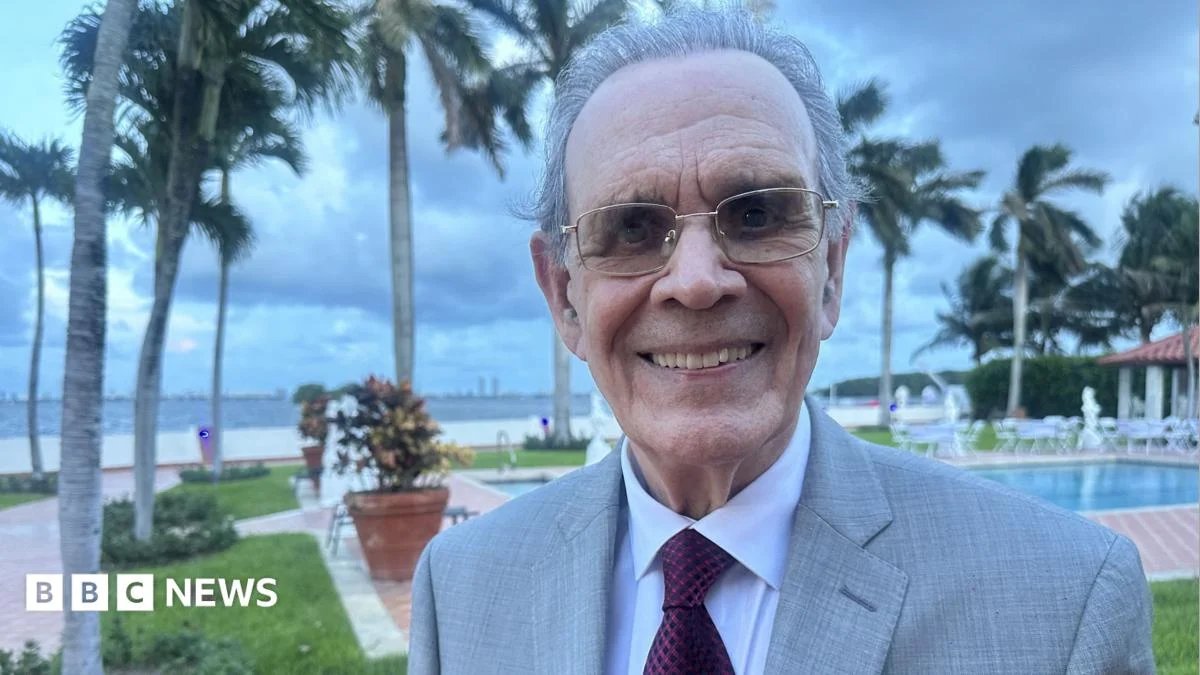
Cuban exiles in Florida are increasingly hopeful that regime change in Cuba is now on the horizon, according to a BBC News report. The community, which has long held out for political shifts on the island, appears cautiously optimistic about potential developments in Havana. While specific catalysts for this renewed hope remain unclear, the sentiment reflects growing anticipation among Cuban Americans who see change as increasingly possible.
Key Facts
- Cuban exiles in Florida are hopeful about regime change in Cuba.
- Cuban exiles are increasingly hopeful that Havana’s regime may fall.
- The wealthy segment of Cuban exiles is particularly attentive to shifts in Cuba.
- Source: BBC News
Who Is Affected?
This growing optimism primarily impacts Cuban exiles residing in Florida, especially those with financial ties or ongoing connections to the island nation. The article highlights the “wealthy Cuban Americans,” suggesting economic interests may play a role in their outlook. Cuban exiles have historically been vocal advocates for democratic reforms in Cuba, and their influence extends into U.S. politics, particularly in Florida’s electoral landscape. Their expectations could shape bilateral policy discussions between the U.S. and Cuba in the coming months.
How Did We Get Here?
Tensions between Cuba and the United States have persisted for decades, marked by trade embargoes, diplomatic isolation, and waves of migration. Cuban exiles, many of whom left during or after the Cuban Revolution, have maintained strong ties to the island while building new lives abroad. Over the years, Florida has become a hub for Cuban-American activism, with many supporting policies aimed at encouraging democratic reforms in Havana. Recent geopolitical dynamics and internal pressures within Cuba may now be influencing sentiment among this community, contributing to a renewed belief that significant changes are possible.
What Happens Next?
If regime change were to occur in Cuba, it could prompt a rapid realignment of U.S.-Cuba relations and trigger increased engagement from Cuban exile groups. However, no timelines or official statements confirm imminent political shifts. Analysts note that any transition period would likely involve uncertainty regarding governance, international recognition, and economic restructuring. For now, Cuban exiles in Florida appear to be preparing for various scenarios, keeping close watch on developments that might reshape decades-old diaspora priorities and aspirations. Their stance remains fluid amid broader regional and global political currents.
What We Know — and What We Don’t
Verified by the source:
- Cuban exiles in Florida are increasingly hopeful about regime change in Cuba.
- BBC News reported this trend in political sentiment.
- Wealthy Cuban Americans are part of the group awaiting change in Havana.
Still unconfirmed:
- No specific timeline or trigger for potential regime change has been cited.
- No names, titles, or quotes were provided by the source.
- It is unclear how representative these views are across all Cuban exiles.
Why It Matters
The anticipation of political shifts in Cuba carries implications for U.S. foreign policy, migration patterns, and international investment strategies. Cuban exiles, particularly those based in Florida, often hold significant sway in shaping American policy toward Latin America and the Caribbean. Their evolving perspectives may influence diplomatic initiatives, trade negotiations, and humanitarian aid frameworks. Additionally, renewed interest in Cuban affairs could energize advocacy efforts and funding flows into related sectors such as media, finance, and nonprofit development. Tracking these trends helps understand how diaspora communities can act as catalysts for broader geopolitical movements.
What To Watch
Future developments in Cuba and official responses from Washington will clarify whether this optimism translates into concrete policy adjustments or renewed tensions. Stay tuned for updates via economy markets and war geopolitics coverage.