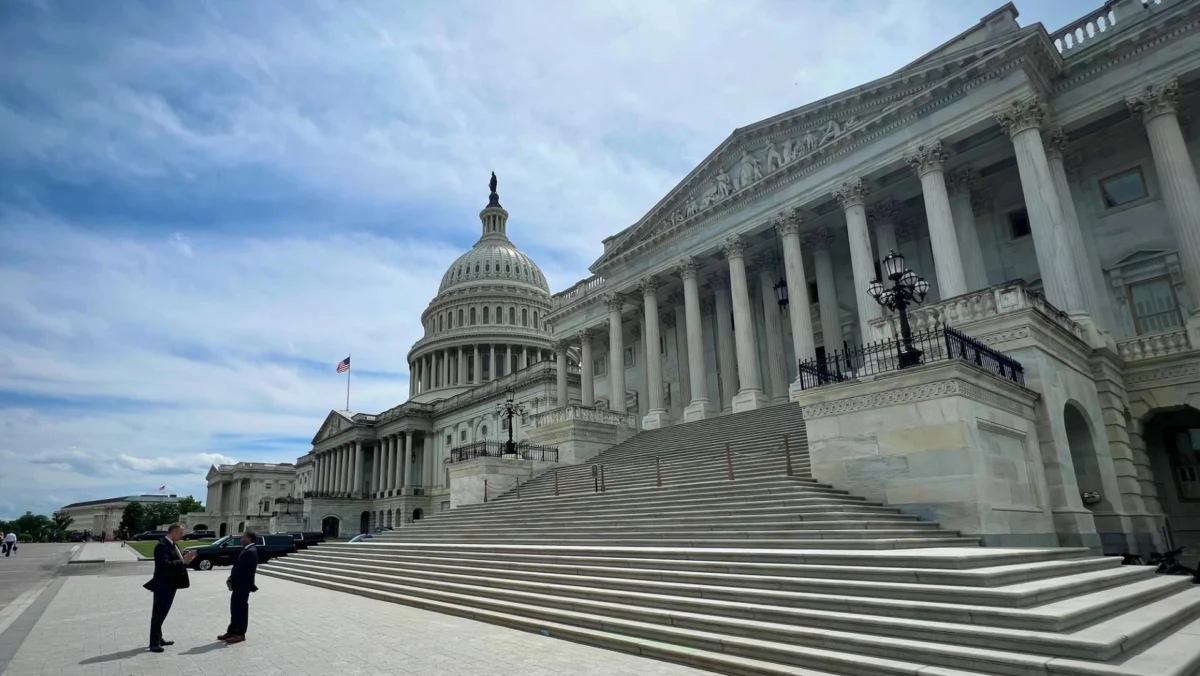
With Congress gone from Washington for the final pre-election recess, observers are taking stock of the crypto policy and market outlook ahead of the November election. The pause in legislative activity gives stakeholders a moment to assess recent developments and what lies ahead.
CoinDesk notes that this recess marks the last major break in the capital before voters head to the polls, making current conditions an important benchmark for the crypto outlook. Regulators and industry participants alike are positioning for the outcome of the election, which could shift the tone of digital asset oversight.
Key Facts
- Congress is on its final pre-election recess before November voting.
- Policymakers and markets are reviewing the crypto outlook during the break.
- Analysts are measuring recent policy and price movements ahead of the election.
- The November election outcome may shape future crypto regulation.
- CoinDesk frames the recess as a key checkpoint for digital asset activity.
The Story
What happens next?
The November election will determine control of Congress and the White House, which directly affects the crypto outlook. A change in leadership could alter the path of digital asset legislation and enforcement. For now, the recess freeze leaves major policy moves on hold.
During this window, regulators such as the SEC and CFTC retain authority but typically avoid major rulemaking steps while lawmakers are away. Industry groups use the lull to prepare filings and advocacy strategies for the post-election session.
Market participants are also watching token prices and trading volumes as informal gauges. Volatility in Bitcoin and Ethereum often reflects investor sentiment about regulatory risk and macroeconomic factors tied to the election cycle.
Who is affected?
Retail and institutional investors in digital assets feel the ripple effects of the congressional recess. When lawmakers step away, fewer bills advance, which can steady or unsettle markets depending on recent headlines.
Compliance teams at exchanges and fintech firms track legislative calendars closely. They adjust launch timelines and listing decisions around expected policy announcements, especially after elections reset political majorities.
Developers building on blockchains monitor both regulatory signals and capital flows. Funding rounds and project deployments often pause or accelerate based on perceived clarity tied to the crypto outlook during election years.
How did we get here?
Digital asset oversight has grown more prominent over the past several election cycles, becoming a recurring campaign issue. Both parties have floated proposals ranging from stablecoin frameworks to broader crypto bills.
The current recess comes after months of mixed regulatory actions and court decisions. These events have refined how agencies interpret existing rules even without new legislation.
Analysts note that recess periods historically offer clearer skies for policy planning. Stakeholders use them to line up coalitions and refine messaging for the inevitable push when Congress returns.
What We Know — and What We Don’t
Verified by the source:
- Congress is in its final pre-election recess before the November election.
- CoinDesk reports that the crypto outlook is being reviewed during this break.
- The summary ties the current lull to upcoming November voting.
Still unconfirmed:
- No specific policy announcements or legislative timelines are listed.
- Individual candidate positions on crypto are not detailed.
- Market price targets or trading forecasts are not provided.
- No named regulators or lawmakers are quoted in the summary.
This article summarizes only the publicly reported summary and headline provided by CoinDesk. The full analysis requires reading the original piece linked above.
Why It Matters
Election years compress legislative time, forcing crypto issues into sharper focus. Policy shifts can redefine access, compliance costs, and innovation timelines for businesses and users alike.
What To Watch
Stakeholders await post-election congressional action and any regulatory guidance that may follow the November vote.
For broader coverage of digital asset developments, see our trading-crypto archive and related economy and markets reporting.