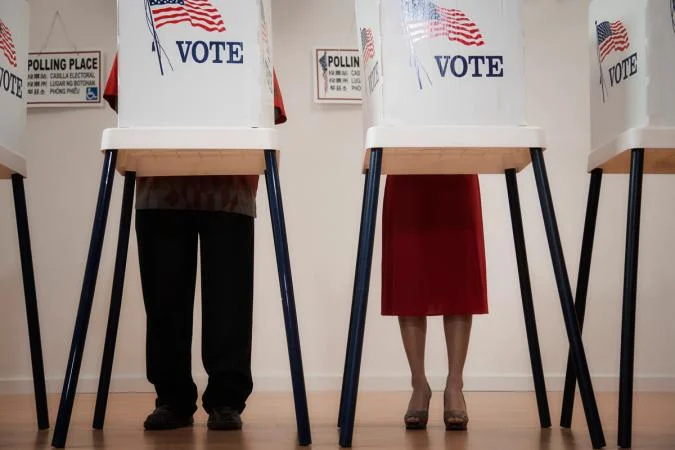
Crypto isn’t a partisan fight, shown by data, according to analysis from the DeFi Education Fund. The claim comes as digital assets increasingly draw attention from policymakers and investors alike, with some framing them as either progressive or conservative tools rather than neutral technologies.
Treating crypto as a political battleground only makes it harder to build the secure, transparent, American-made financial system that most Americans say they want, argues DeFi Education Fund’s Jennifer Rosenthal. Instead, the argument emphasizes that crypto should be viewed as infrastructure rather than ideology.
KEY FACTS
- Crypto isn’t framed as partisan, according to data
- Jennifer Rosenthal of the DeFi Education Fund argues this framing.
- Treating crypto as political makes building secure systems harder.
- Most Americans reportedly want a transparent financial system.
- The push is for an American-made crypto infrastructure.
THE STORY: How did we get here?
Crypto has long been portrayed as a libertarian-leaning movement rooted in skepticism of government control. That perception grew alongside its early association with underground markets and tech-forward investors who favored minimal regulation. But as governments worldwide grapple with digital currencies, central banks and lawmakers are increasingly engaging with blockchains, stablecoins, and decentralized finance platforms.
The DeFi Education Fund’s Jennifer Rosenthal asserts that crypto’s role in politics is overstated. Rather than leaning into left-versus-right rhetoric, she urges stakeholders to focus on practical goals such as transparency, security, and domestic innovation. Her point aligns with broader calls for clearer digital asset legislation that separates ideological debate from technical progress.
THE STORY: What happens next?
Congress is weighing several crypto-related bills, including ones addressing stablecoin oversight and digital asset classification. The outcome could shape how future innovations are treated legally and financially across sectors. Advocates like Rosenthal argue that partisan posturing risks stalling legislation that prioritizes public interest over party lines.
Public sentiment also plays a role. Polling suggests many Americans see value in faster, cheaper payments and greater financial access—even if they don’t fully understand how crypto works. Policymakers may find themselves balancing innovation-friendly proposals with consumer protection concerns as these conversations evolve.
THE STORY: Who is affected?
American consumers stand to feel changes in crypto policy directly. If regulators adopt frameworks focused solely through a partisan lens, it might delay products like yield accounts, cross-border remittances, or tokenized savings instruments that appeal broadly regardless of political affiliation. Meanwhile, startups building wallet apps or payment rails watch regulatory clarity—or its absence—closely.
Regulated banks too face implications. Some have cautiously entered the space, testing custody services or issuing digital dollars. Others remain wary due to compliance uncertainty fueled partly by polarized commentary instead of structured guidance.
WHAT WE KNOW — AND WHAT WE DON’T
- Verified by the source:
- Crypto is not inherently partisan, per available data;
- Jennifer Rosenthal of the DeFi Education Fund holds this view;
- Framing crypto as political complicates financial system development;
- Many Americans reportedly support a transparent financial system.
- Still unconfirmed:
- Exact details of cited polling or data set referenced;
- Specific policy recommendations proposed by Rosenthal;
- Broader consensus among other experts or institutions;
- Timelines for upcoming legislative decisions.
WHY IT MATTERS
As governments navigate regulation around digital assets, framing crypto as a non-partisan issue supports balanced policymaking. Separating politics from technology can improve chances of crafting laws that encourage innovation while protecting users—an essential step toward realizing benefits like reduced transaction costs and expanded financial inclusion.
WHAT TO WATCH
Stakeholders will likely monitor whether new crypto bills pass along traditional party lines or gain bipartisan backing. Watch for signs of bipartisan cooperation—or continued polarization—in upcoming hearings and committee votes.