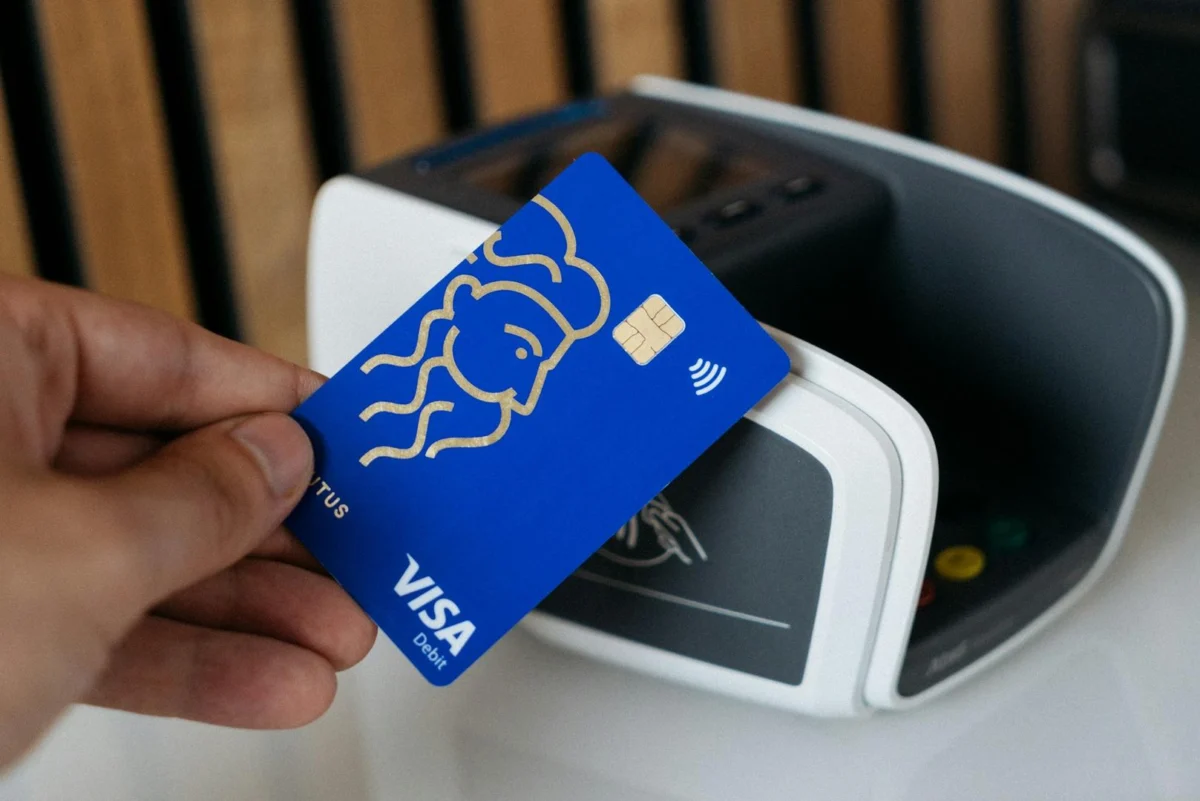
Crypto card spending has surpassed $1 billion, with stablecoins like USDC and USDT driving more than 70% of transactions, according to CoinDesk. The tracked volume more than tripled in a year as users increasingly turned to crypto for groceries, rides, and subscriptions.
The rise reflects growing trust in stablecoins—cryptocurrencies pegged to traditional assets like the U.S. dollar—for daily spending. While volatility has long deterred mainstream adoption, these dollar-backed tokens provide a more predictable medium for transactions.
Key Facts
- Tracked crypto card spending exceeded $1 billion.
- Volume more than tripled in a year.
- Stablecoins USDC and USDT funded over 70% of transactions.
- Users increasingly spent on groceries, rides, and subscriptions.
Why Are Stablecoins Dominating Payments?
Stablecoins offer a bridge between crypto volatility and real-world spending. Unlike Bitcoin or Ethereum, whose values fluctuate sharply, stablecoins like USDC and USDT maintain a 1:1 peg to the U.S. dollar. This stability makes them practical for routine purchases—a key factor in their adoption for crypto card spending.
Payment processors and fintech firms have also streamlined integration, allowing users to spend crypto as easily as traditional currency. Major card providers now support stablecoin-funded transactions, further embedding them into daily commerce.
What’s Driving the Surge in Spending?
The tripling of volume suggests a shift beyond speculative trading. Consumers are now using crypto for necessities, not just investments. Groceries, transportation, and subscriptions—categories with recurring spending—are leading the trend.
This aligns with broader fintech adoption, where digital wallets and contactless payments are becoming standard. Crypto cards, which automatically convert stablecoins to fiat at checkout, eliminate the friction of manual exchanges.
What We Know — and What We Don’t
Verified by the source:
- Total crypto card spending crossed $1 billion.
- USDC and USDT accounted for over 70% of funding.
- Spending on everyday categories like groceries grew significantly.
Still unconfirmed:
- Which specific card providers or merchants processed these transactions.
- Geographic breakdown of spending (U.S. vs. global).
- Long-term sustainability of the growth rate.
Why It Matters
The milestone signals that stablecoins are moving beyond niche use cases into mainstream commerce. If adoption continues, they could reshape how people interact with digital assets—making crypto as routine as debit cards or mobile payments.
What to Watch
Further adoption hinges on regulatory clarity and merchant acceptance. How governments classify stablecoins—as currencies, securities, or something else—will determine their future in payments.