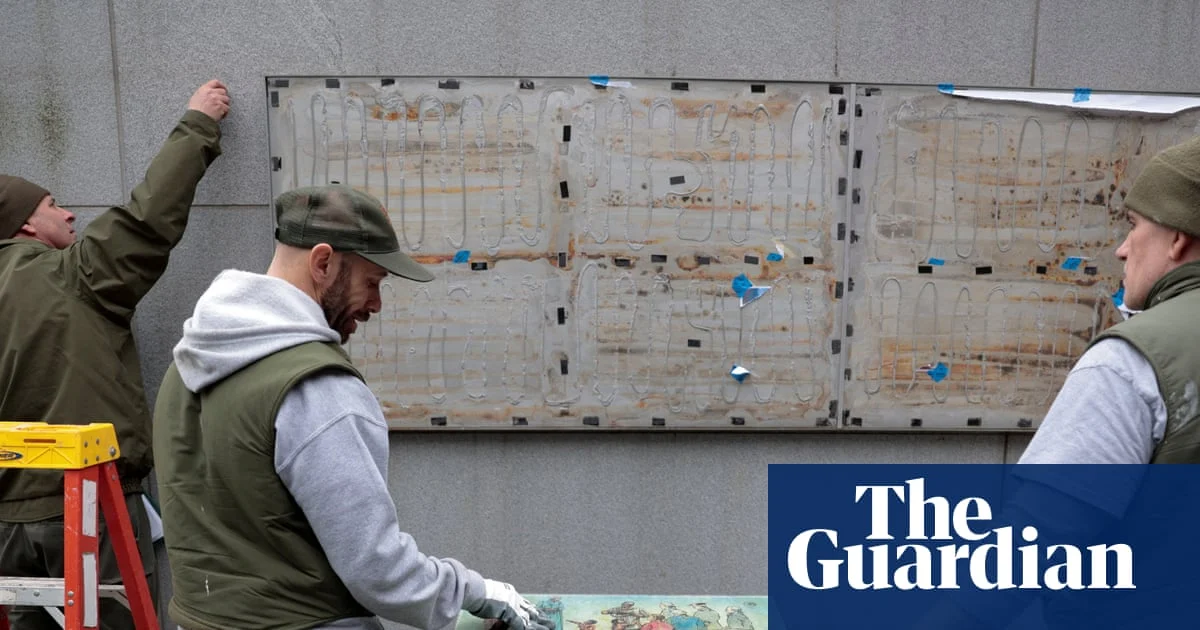
A U.S. appeals court ruled that the Trump administration does not have to put back signage on climate change, immigration and slavery that it removed from national parks. The decision marks the latest twist in a legal dispute over how history is presented at public sites.
The panel’s ruling means the signage remains absent, and the administration can continue to omit those topics from park displays.
Key Facts
- The appeals court ruled the administration does not have to reinstate the removed signage.
- The signage involved topics of climate change, immigration and slavery.
- The decision relates to national parks across the United States.
How did we get here?
The case stems from a broader legal battle over the representation of historical and scientific information at public monuments and parks. Earlier claims argued that the removal violated laws protecting historical interpretation.
Who is affected?
Visitors to national parks who seek information on climate change, immigration history or slavery will continue to encounter the current displays, which lack the previously removed signage. Park administrators are directly impacted by the court’s ruling.
What happens next?
The ruling leaves the signage removed, and no immediate requirement for the administration to change the displays. Any further legal challenges would need to address a new appellate or Supreme Court review.
What We Know — and What We Don’t
Verified by the source:
- The appeals panel ruled the administration does not have to reinstate the signage.
- The removed signage covered climate change, immigration and slavery.
- The decision concerns national parks in the United States.
Still unconfirmed:
- <li Whether the court’s decision will be appealed further.
- The specific parks where the signage was removed.
- Any future policy changes by the administration regarding park interpretation.
Why it matters: The ruling influences how historical and scientific narratives are presented to the public in national parks, shaping visitor experience and public memory.
What to watch: Potential appeals or new legislation that could alter how information is displayed in national parks.