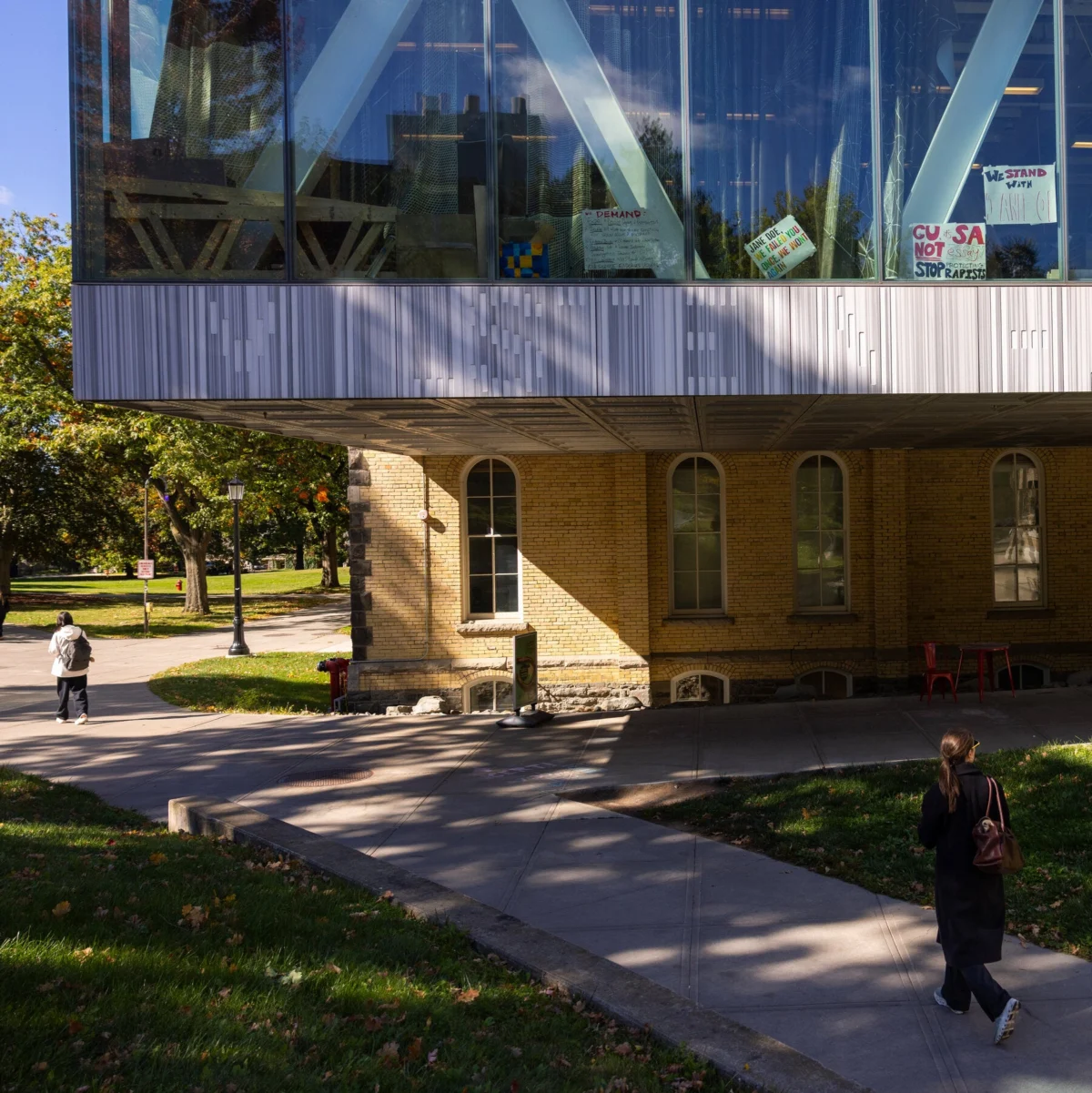
Cornell University has implemented a fraternity party ban and expanded its sexual assault investigation team following allegations that sparked national attention. The measures represent a significant shift in the university’s approach to addressing concerns about Greek life and campus safety.
The university’s decision comes amid heightened scrutiny of how institutions handle sexual assault claims, particularly those involving student organizations. By restricting Greek life activities and bolstering investigative capacity, Cornell is signaling a commitment to addressing what it describes as serious institutional concerns.
Key Facts
- Cornell has banned fraternity parties.
- The university is adding sexual assault investigators.
- The changes follow national uproar over a gang rape allegation.
- The allegation reportedly occurred at a fraternity house.
What the Ban Means for Campus Life
The fraternity party ban directly affects students involved in Greek life, which traditionally plays a central role in social activities at many universities. At Cornell, fraternities and sororities have historically hosted numerous campus events, particularly during key periods such as orientation and holidays. By prohibiting these gatherings, the university is altering a long-standing social structure that many students rely on for networking and community building.
Beyond restricting parties, the policy may reshape how student organizations operate. Future events might face increased oversight or require approval from university administrators. This change could lead to a redistribution of social activity across campus, potentially increasing participation in non-Greek affiliated events or encouraging alternative forms of student engagement.
The addition of sexual assault investigators suggests Cornell is prioritizing a more robust response system. These professionals typically handle sensitive cases involving survivors, ensuring proper protocols are followed from intake through resolution. Their expanded presence may improve processing times and reduce barriers for those seeking support.
How Did We Get Here?
The catalyst for Cornell’s action was a set of public allegations involving an incident at a fraternity house. While details remain under investigation, the case gained traction online and in media coverage, prompting broader conversations about accountability within Greek life systems nationwide. Universities across the country have faced similar pressure to reform their approaches to student conduct and Title IX compliance.
This moment reflects a larger trend in higher education where institutions confront past patterns of inadequate responses to sexual violence. As more survivors come forward and advocacy groups push for transparency, universities are revising policies that were once considered routine or unchangeable. Cornell’s move aligns with this evolving standard.
Still, the implementation raises questions about enforcement and long-term effectiveness. Experts note that cultural shifts take time, and procedural changes must be paired with sustained educational efforts to create meaningful impact. Whether this ban produces measurable improvements remains to be seen.
What We Know — and What We Don’t
Verified by the source:
- The fraternity party ban has been formally enacted.
- Cornell is hiring additional sexual assault investigators.
- The policy changes respond to national attention on a specific allegation.
- The original claim involves an accusation of gang rape at a fraternity house.
Still unconfirmed:
- No timeline provided for when the changes take full effect.
- Unclear whether all fraternities are affected or only certain chapters.
- No official statements quoted from university leadership.
- Details surrounding the initial allegation have not been disclosed.
Why It Matters
As colleges grapple with rising expectations around student safety and Title IX compliance, Cornell’s decision adds momentum to a nationwide reevaluation of Greek life’s role in campus culture. With peer institutions watching closely, this case underscores growing pressure on universities to act decisively on issues tied to student welfare and institutional integrity. See coverage in [Top Stories](https://www.example.com/top-stories) and [Politics](https://www.example.com/politics) for related updates.
What To Watch
Observers will look for whether other universities adopt comparable restrictions or if Cornell revises its stance based on feedback. Any formal hearings or policy adjustments tied to the ongoing investigation could signal next steps in shaping future campus climate discussions.