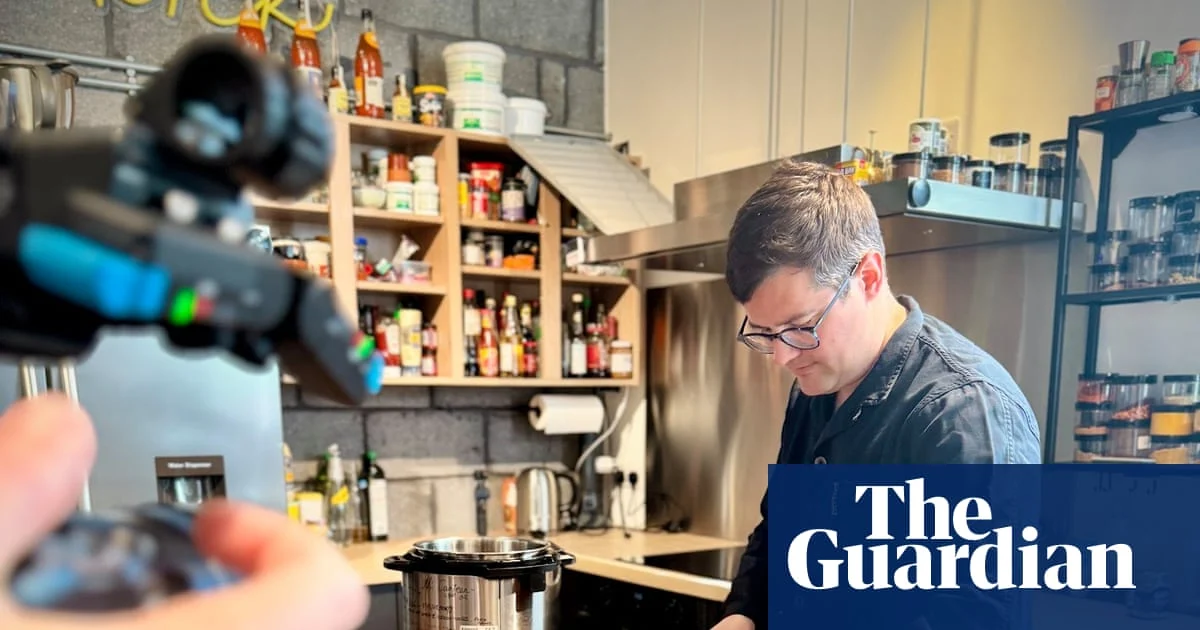
Content creators are mobilizing against a proposed government measure that could force platforms to prioritize BBC and other traditional broadcaster content in social media algorithms. Simon Squibb, a prominent influencer, recently urged his followers to oppose the plan, framing it as an attempt to control user feeds.
KEY FACTS
- Content creators are resisting a proposal to boost traditional broadcasters in video platform algorithms.
- Influencer Simon Squibb called for opposition to the plan in an Instagram post titled “the government wants to control YOU”.
- The proposal could insert BBC and other broadcaster content into social media feeds regardless of user preferences.
What is the proposal?
The exact details of the government proposal remain unclear, but it appears aimed at increasing the visibility of content from established broadcasters like the BBC within algorithm-driven platforms such as YouTube and Instagram. Currently, these platforms prioritize content based on user engagement metrics, allowing independent creators to compete directly with major media organizations. The change could disrupt this balance by mandating preferential treatment for traditional broadcasters.
Why are creators concerned?
Influencers argue that algorithm changes favoring broadcasters would disadvantage independent content creators who rely on organic reach. Simon Squibb’s call to action reflects broader anxiety among digital creators about losing hard-won audiences to institutional media. The debate touches on fundamental questions about who controls content visibility online – platforms, governments, or users themselves through their engagement patterns.
WHAT WE KNOW — AND WHAT WE DON’T
Verified by the source:
- Content creators are organizing opposition to a government proposal affecting platform algorithms
- Influencer Simon Squibb has publicly called for resistance to the plan
- The proposal could favor BBC and other traditional broadcasters in social media feeds
Still unconfirmed:
- The exact wording and scope of the government proposal
- Which platforms would be affected by any potential changes
- Whether the proposal has formal support from broadcasters like the BBC
WHY IT MATTERS
This debate represents a significant moment in the ongoing tension between traditional media institutions and independent digital creators. The outcome could reshape how millions of users discover content online, with potential repercussions for media diversity and creator livelihoods.
WHAT TO WATCH
Further details about the government proposal and responses from major platforms will clarify the potential impact on content creators and users. The growing opposition from influencers may influence the policy’s development.