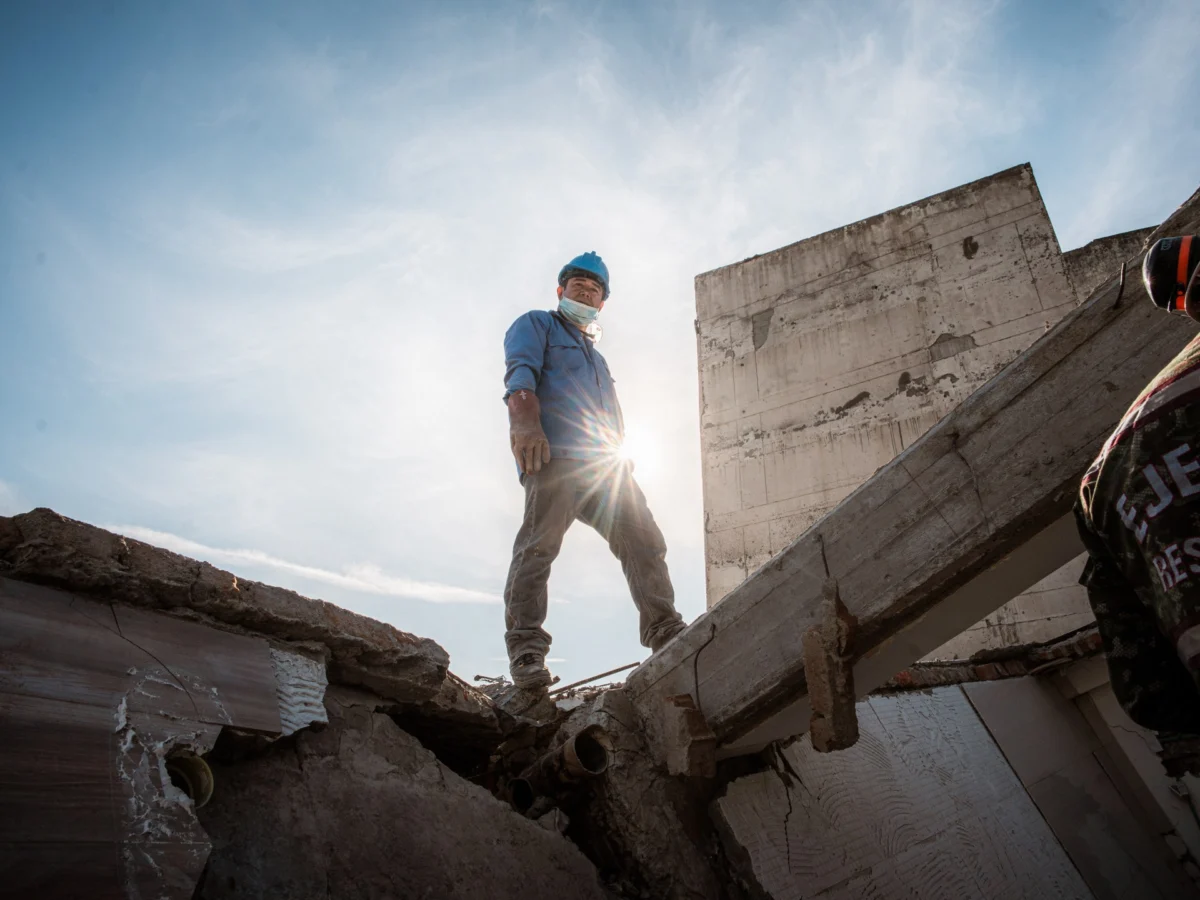
Colombia has begun shifting its efforts from emergency rescue operations to long-term recovery following last week’s deadly earthquake, according to Al Jazeera. Authorities are now focusing on providing shelter, aid, and reconstruction for affected communities as the immediate crisis phase passes.
The transition comes as search teams complete their work clearing rubble from the disaster zone. While the exact scale of destruction remains unclear, officials have signaled the need for sustained humanitarian assistance in the coming months.
KEY FACTS
- Colombia is transitioning from rescue to recovery efforts after last week’s earthquake
- The earthquake was deadly, though exact casualty figures aren’t specified
- Current priorities include shelter, aid distribution, and rebuilding infrastructure
- Rubble clearance operations have largely concluded after one week
What challenges face recovery efforts?
Recovery operations typically face logistical hurdles in disaster zones, especially in remote areas. Without specific details about this event, past earthquakes in Colombia suggest challenges may include disrupted transportation networks, limited access to construction materials, and temporary housing shortages. The shift from emergency response to rebuilding marks a critical but resource-intensive phase.
How disaster response timelines typically unfold
Emergency response experts identify distinct phases after major earthquakes. The first 72 hours focus on life-saving rescues, followed by a week of rubble clearance and damage assessment. The subsequent transition to recovery, as now occurring in Colombia, involves restoring basic services and planning reconstruction—processes that often take months or years. The lack of specific damage estimates for this event makes predicting the recovery timeline difficult.
WHAT WE KNOW — AND WHAT WE DON’T
Verified by the source:
- Colombia has moved from rescue to recovery efforts one week post-earthquake
- The earthquake caused fatalities, though the number remains unspecified
- Rubble clearance operations have progressed sufficiently to begin recovery work
Still unconfirmed:
- The exact death toll and number of injured from the earthquake
- Which specific regions suffered the most damage
- What government agencies or international organizations are involved in recovery
- The estimated cost of damages and rebuilding
WHY IT MATTERS
Earthquake recovery represents a critical test for Colombia’s disaster preparedness systems. Effective rebuilding efforts can mitigate long-term economic impacts and prevent secondary crises like disease outbreaks in displaced populations. The country’s response may influence future international aid decisions during regional disasters.
WHAT TO WATCH
Authorities will likely release official damage assessments and recovery plans in coming weeks. International aid organizations may announce involvement as needs become clearer. For more on regional disaster responses, see our war & geopolitics coverage.