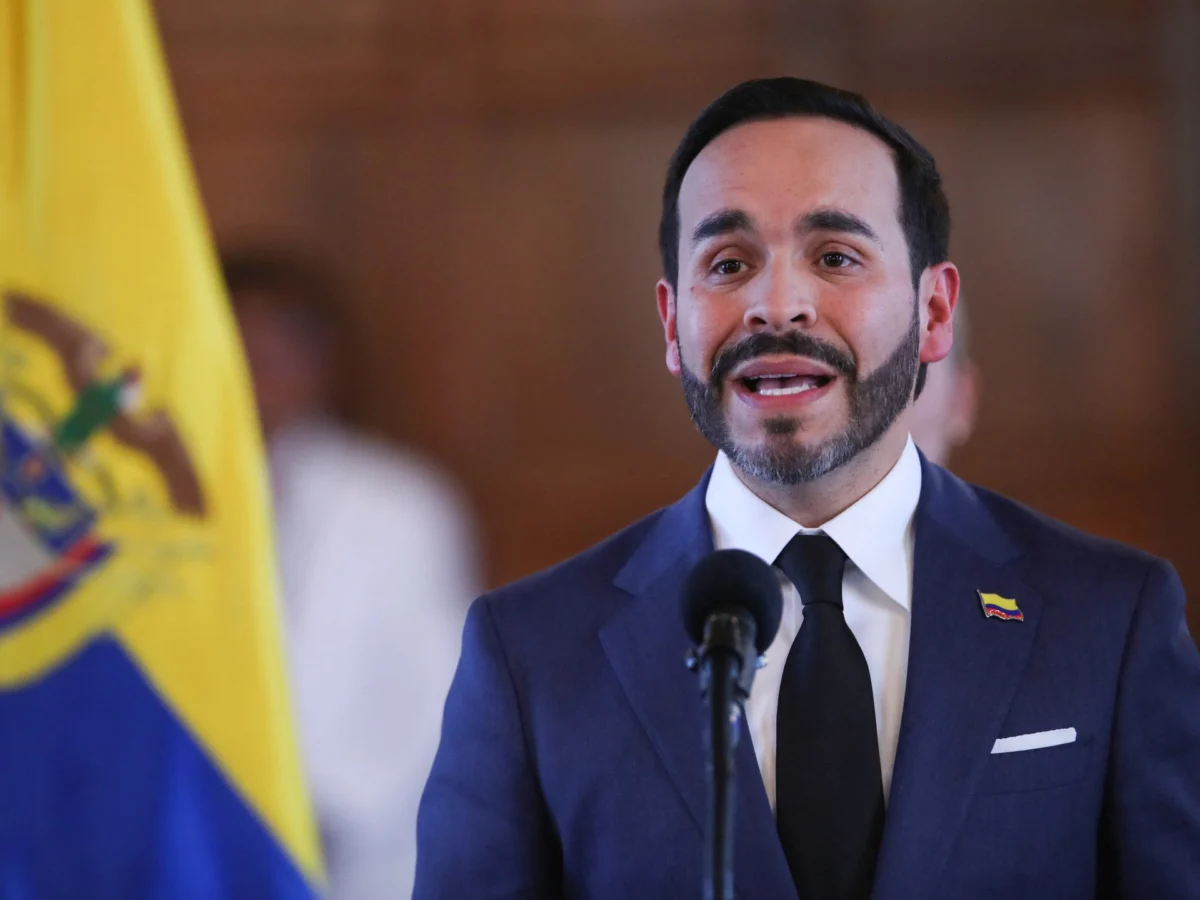
Colombia has requested that the Trump administration suspend US tariffs as the South American nation struggles with the economic aftermath of a devastating earthquake. Reconstruction costs for earthquake damage are estimated at $6.4 billion, compounding financial pressures from renewed American trade measures.
The timing of the US tariffs has drawn criticism as Colombia allocates resources toward disaster recovery. This comes during an already challenging period for the Colombian economy following the natural disaster.
KEY FACTS
- Colombia has formally asked the Trump administration to suspend US tariffs
- Post-earthquake reconstruction is estimated to cost $6.4 billion
- The country faces renewed US tariffs during its recovery period
Why is Colombia requesting tariff relief?
The earthquake has created significant financial strain on Colombia’s economy, with billions needed for rebuilding infrastructure and housing. The additional burden of US tariffs could hamper the country’s recovery efforts and economic stability. Trade analysts suggest tariff relief could provide crucial fiscal breathing room during the reconstruction period.
What are the economic impacts?
The combination of natural disaster recovery costs and trade restrictions presents a dual challenge for Colombian policymakers. The $6.4 billion reconstruction estimate represents a substantial portion of Colombia’s GDP, while tariffs could further constrain government resources. Economists note that natural disasters often require temporary trade policy adjustments to support recovery.
WHAT WE KNOW — AND WHAT WE DON’T
Verified by the source:
- Colombia has requested tariff suspension from the Trump administration
- Earthquake reconstruction costs are estimated at $6.4 billion
- US tariffs have been recently imposed or renewed
Still unconfirmed:
- Specific sectors or products affected by the tariffs
- Duration of the requested tariff suspension
- The Trump administration’s response to Colombia’s request
WHY IT MATTERS
This situation highlights how trade policies can significantly impact countries recovering from natural disasters. The case could set important precedents for how economic powers respond to partner nations facing humanitarian crises, particularly in vulnerable economies.
WHAT TO WATCH
Attention now turns to whether the Trump administration will grant Colombia’s request for tariff relief. The decision could influence US-Colombia relations and provide insight into American trade policy flexibility during international crises.