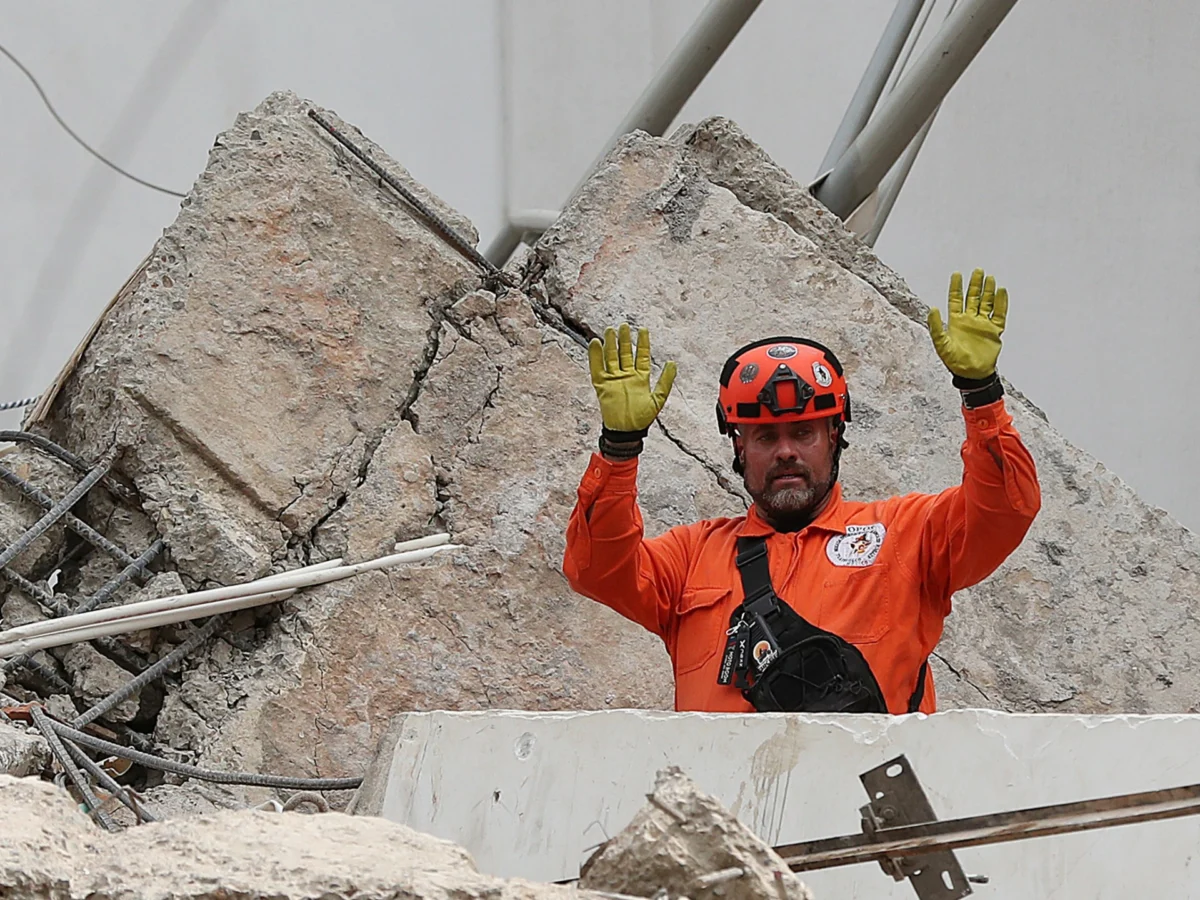
Colombia’s far-right government, led by President Abelardo de la Espriella, faces its first major test as it responds to a devastating earthquake. The disaster has forced the administration to rapidly mobilize search-and-rescue operations and humanitarian aid, offering an early glimpse into its crisis management capabilities.
The earthquake struck as the new government, which took office just weeks ago, seeks to establish its leadership amid heightened political scrutiny. Analysts will be watching how the administration balances its ideological priorities with the urgent demands of disaster relief.
Key Facts
- An earthquake in Colombia is testing the response of the new far-right government.
- President Abelardo de la Espriella’s administration is scrambling to find survivors and provide aid.
- The disaster marks an early challenge for the recently elected government.
Why this is a critical moment
The earthquake represents more than just a natural disaster for Colombia—it’s a pivotal moment for a government that campaigned on promises of strong leadership and efficient governance. The far-right administration’s ability to coordinate across agencies, deploy resources effectively, and maintain public confidence during this crisis could shape its political trajectory for years to come.
What makes this response different
Unlike previous disasters under centrist or left-leaning governments, this emergency unfolds under a leadership that has openly criticized traditional approaches to crisis management. Observers note that the administration’s emphasis on decentralization and private sector involvement may lead to unconventional relief strategies. However, the immediate priority remains locating survivors and stabilizing affected areas.
What We Know — and What We Don’t
Verified by the source:
- Colombia has experienced a significant earthquake
- The new far-right government is leading the response efforts
- President Abelardo de la Espriella is personally overseeing operations
Still unconfirmed:
- The exact magnitude and epicenter of the earthquake
- Number of casualties or extent of infrastructure damage
- Specific aid commitments from international partners
Why It Matters
This emergency response arrives at a crucial juncture for Colombian politics, potentially validating or undermining the new government’s controversial approaches to governance. The administration’s performance could influence public perception ahead of important local elections and significant policy debates about disaster preparedness systems.
What To Watch
Key indicators will include the speed and equity of aid distribution, coordination with local governments, and any policy announcements regarding long-term reconstruction plans. International observers will particularly monitor whether the crisis prompts any softening of the administration’s typically hardline stance on certain issues.