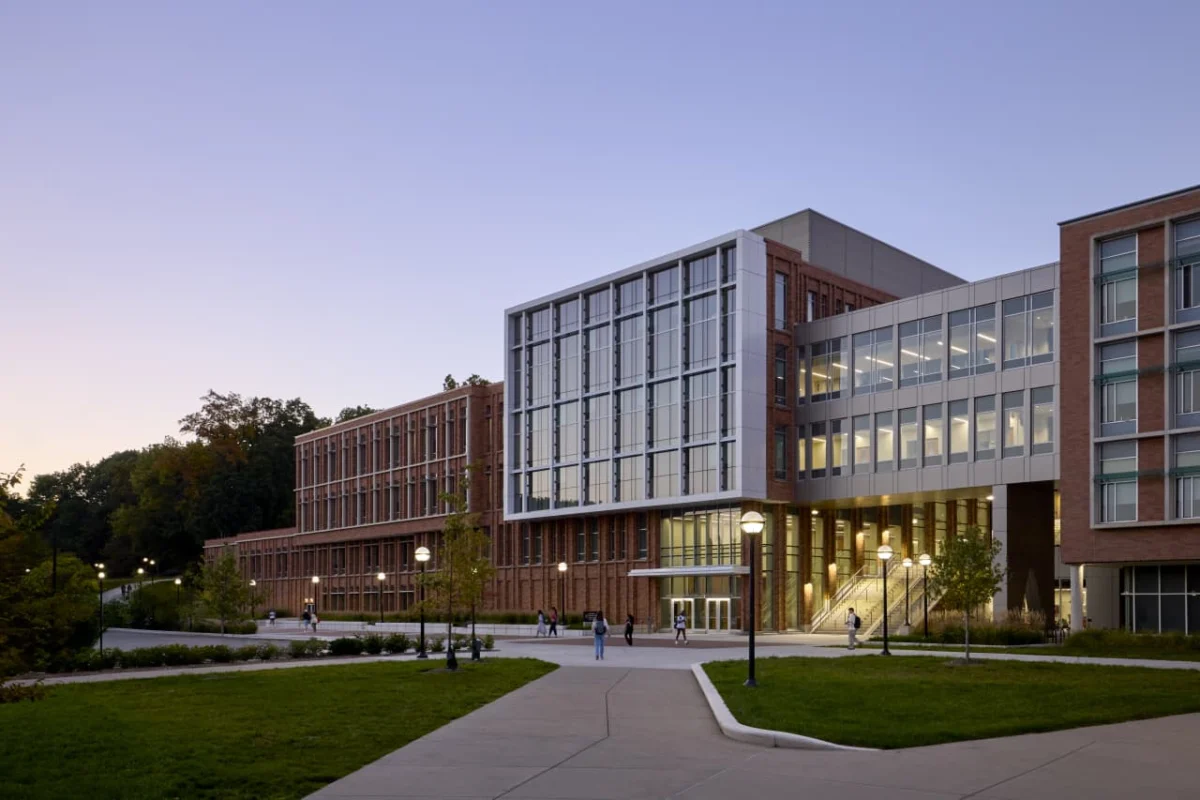
COLLEGE PARK, Md. — Colleges rushed to build massive computer-science departments during the recent tech surge, but that boom is now turning to bust, leaving institutions to scale back ambitious hiring and enrollment plans.
The shift reflects changing demand in a field once hailed as the surest path to the American dream, with fewer students and employers pursuing the same explosive growth seen just a few years ago.
Key Facts
- Bullet: Colleges raced to build massive computer-science departments — per MarketWatch.
- Bullet: The computer science boom is now turning to bust — per MarketWatch.
- Bullet: Computer science is no longer seen as the ticket to the American dream — per MarketWatch.
How did we get here?
Over the past decade, universities significantly expanded their computer-science faculties and programs, hiring hundreds of new professors and constructing dedicated buildings to meet swelling student interest. This rapid growth was fueled by soaring enrollment, strong job placements, and high starting salaries for graduates.
The field was widely promoted as a gateway to financial stability and innovation, drawing prospective students who viewed coding and data skills as essential for career success. Universities responded with optimism, assuming the upward trajectory would continue indefinitely.
Now, signs of saturation are emerging. Some institutions report declining application numbers, reduced employer demand, and increased competition from alternative credentials such as bootcamps and online certifications. These trends suggest that the perceived value of traditional computer-science degrees may be shifting.
Who is affected?
Students currently enrolled in computer-science programs face an evolving landscape, where job prospects and salary expectations may not match previous projections. Graduates entering the workforce could encounter stiffer competition, particularly in entry-level roles that were once considered abundant.
Faculty members and administrators at affected institutions must navigate budget constraints and strategic pivots. Some universities are considering program consolidations, curriculum revisions, or interdisciplinary approaches to maintain relevance and student appeal.
Prospective students and families are also impacted, as they reassess whether the once-dominant field still offers the same advantages. This recalibration may influence future enrollment patterns and funding priorities across higher education.
What we know — and what we don’t
Verified by the source:
- Bullet: Colleges rapidly expanded computer-science departments, per MarketWatch.
- Bullet: The growth phase is now described as turning into a bust, per MarketWatch.
- Bullet: The field was once viewed as a reliable path to the American dream, per MarketWatch.
Still unconfirmed:
- Bullet: No specific enrollment or hiring figures have been confirmed.
- Bullet: It remains unclear which institutions are leading the downturn.
- Bullet: The broader economic causes behind the shift are not detailed.
Meta description: Colleges rapidly expanded computer-science departments; MarketWatch says the boom is now turning to bust.
Why it matters
This development matters because the computer science boom shaped major investment and career decisions across the economy, influencing everything from university budgets to individual student debt. A reversal in that trend signals that fields viewed as guaranteed paths to prosperity can change quickly, requiring institutions and students to stay adaptable.
What to watch
Future reports may clarify whether this marks a temporary correction or a lasting shift in demand for computer-science graduates and how universities adjust their long-term strategies accordingly.
For ongoing coverage of economic shifts affecting higher education and the tech workforce, visit our economy-markets and tech-ai archives.