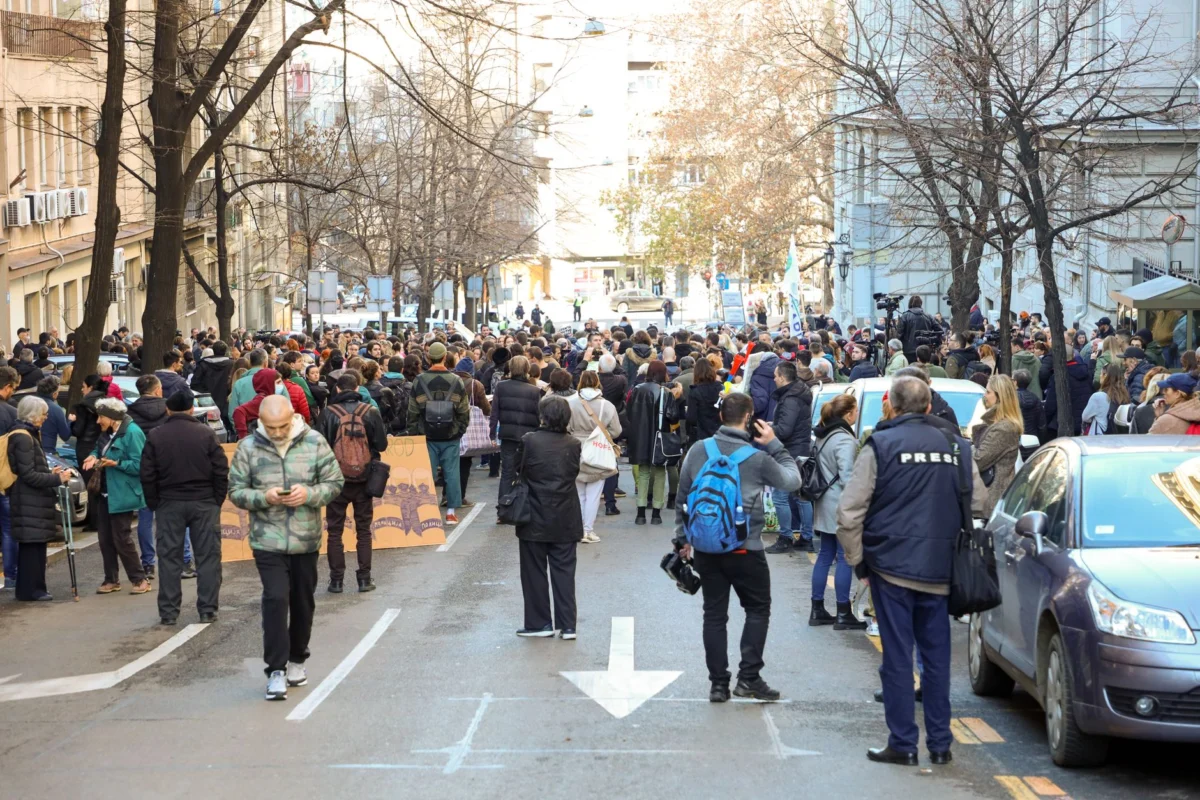
Civil society groups have urged Malaysia to stop Rohingya returns, calling on the government to halt the repatriation of displaced Rohingya individuals. The appeal highlights ongoing concerns about safety and rights protections for those facing potential return to their country of origin.
The request reflects broader international discussions about refugee resettlement and the responsibilities of host nations. Malaysia has historically been a transit or temporary host country for Rohingya populations, though official policies regarding their status remain complex and evolving.
Key Facts
- Civil society groups have urged Malaysia to stop Rohingya returns.
- The appeal focuses on concerns related to safety and rights protections.
- Malaysia has previously hosted Rohingya individuals in temporary arrangements.
What Happens Next?
The future of Rohingya returns depends largely on diplomatic negotiations and the establishment of safe repatriation protocols. Without verified assurances of safety, civil society organizations are likely to continue advocating for restraint in any return efforts. The situation remains fluid, with affected communities often living in legal uncertainty while host-country policies evolve.
Regional cooperation mechanisms, including those involving the UNHCR and ASEAN, could play a role in shaping outcomes. However, concrete policy shifts will depend on government decisions and international pressure. Civil society groups are expected to maintain public attention on the issue through advocacy campaigns and legal channels.
Who Is Affected?
Rohingya individuals residing in Malaysia are directly impacted by any decisions regarding returns. This includes those in official detention, temporary shelters, or informal settlements. Many have lived in Malaysia for extended periods, often without clear legal status or long-term resettlement options.
Third-country resettlement nations may also be involved if returns are paused or redirected. International NGOs supporting displaced populations monitor conditions closely and may adjust programming accordingly. Children and families among the Rohingya community face particular vulnerabilities during periods of policy uncertainty.
What We Know — and What We Don’t
Verified by the source:
- Civil society groups have publicly urged Malaysia to halt Rohingya returns.
- Concerns center on safety and rights protections for displaced individuals.
Still unconfirmed:
- No specific civil society organizations were named in the source.
- No timeline or formal policy response from the Malaysian government was provided.
- Details about the number of affected individuals or current locations were not included.
Why It Matters
The call to stop Rohingya returns touches on fundamental questions of refugee protection and state responsibility. As global displacement reaches unprecedented levels, host countries face increasing pressure to balance humanitarian obligations with domestic concerns. This case illustrates how civil society can influence policy debates on forced migration.
What To Watch
Stakeholders are watching for any official response from Malaysian authorities regarding the civil society appeal. Further developments may emerge through diplomatic statements or regional coordination efforts.