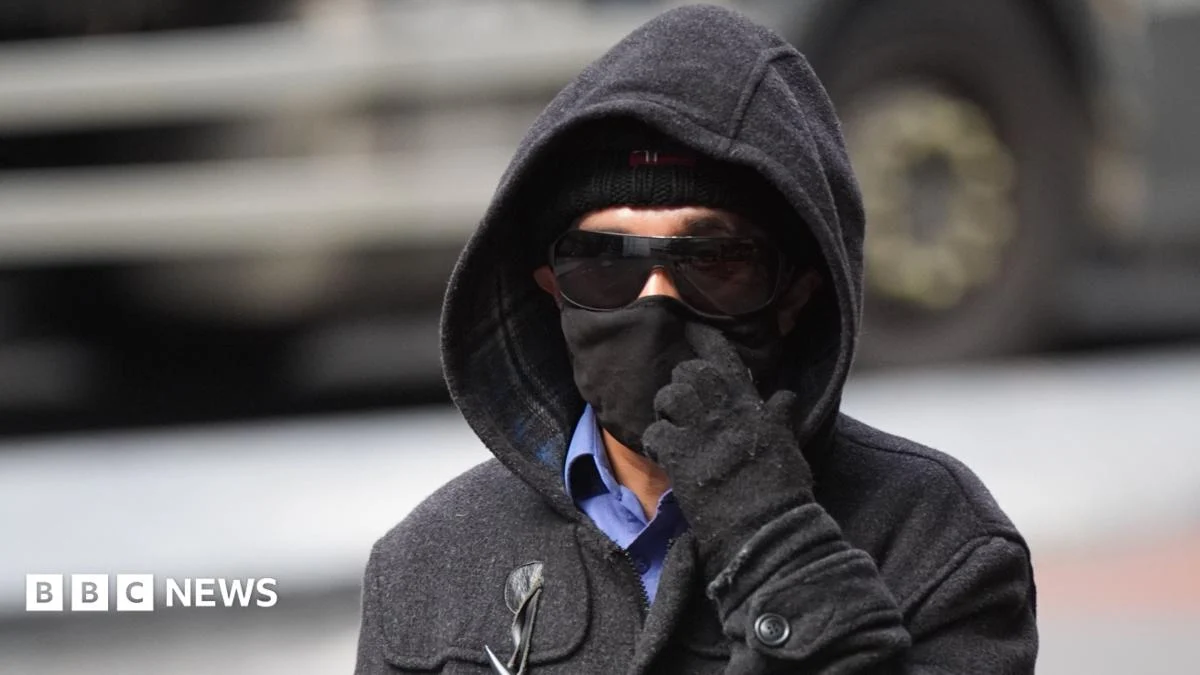
A civil servant who held multiple jobs simultaneously has been charged with fraud after allegedly failing to disclose those roles to employers. The individual, whose identity has not been named publicly, appeared in court and was reported to have expressed surprise at the charges. According to BBC News, the defendant denied being dishonest about not informing employers of their additional employment.
The case centers on whether a civil servant can legally hold other jobs without disclosure, and whether failing to do so constitutes fraud. Multiple-job holding by public officials remains tightly regulated in many jurisdictions, raising questions over transparency and conflict of interest.
Key Facts
- A civil servant was charged with fraud after holding multiple jobs.
- The individual was surprised to face charges.
- The person denied being dishonest about not disclosing multiple jobs.
- The story was reported by BBC News.
How Did This Happen?
The defendant is accused of working several positions at once without informing any of their employers about the others. Such non-disclosure may violate employment contracts or public service regulations, particularly when one of the roles is within the civil service. Employers often require employees, especially those in sensitive or public roles, to disclose outside work to avoid conflicts of interest.
Fraud charges typically require proof of intentional deception for personal gain. In this case, prosecutors appear to argue that concealing the additional employment misled employers into believing the individual was fully available for their primary role. The defendant has contested this, asserting no intent to deceive.
What Happens Next?
The legal process will now move forward through the court system. Depending on jurisdiction, fraud charges related to employment disclosure can carry penalties including fines or imprisonment. However, outcomes depend heavily on how the court interprets the evidence around intent and transparency.
This case also invites wider scrutiny of how disclosure rules are enforced across civil services and whether current frameworks sufficiently address modern work patterns. As remote and gig work become more common, the boundaries of acceptable side employment continue to evolve, making cases like this especially relevant to policy discussions.
According to BBC News, the unnamed civil servant denied dishonesty while facing fraud charges over undisclosed multiple jobs.
What We Know — and What We Don’t
Verified by the source:
- The individual worked multiple jobs at the same time.
- They were formally charged with fraud.
- The defendant expressed surprise at being charged.
- The person denies being dishonest regarding non-disclosure.
Still unconfirmed:
- The defendant’s name and specific employers.
- The exact nature of the fraud or number of jobs.
- The jurisdiction and court where proceedings occurred.
- Potential consequences or sentencing timeline.
Why It Matters
This case highlights growing concerns about transparency, ethics, and enforcement in public employment. As work becomes more flexible, clear guidelines matter—not just for individual conduct but for maintaining trust in public institutions.
What To Watch
Court proceedings are expected to continue, offering insight into how employment disclosure rules are interpreted and applied in cases involving public officials.