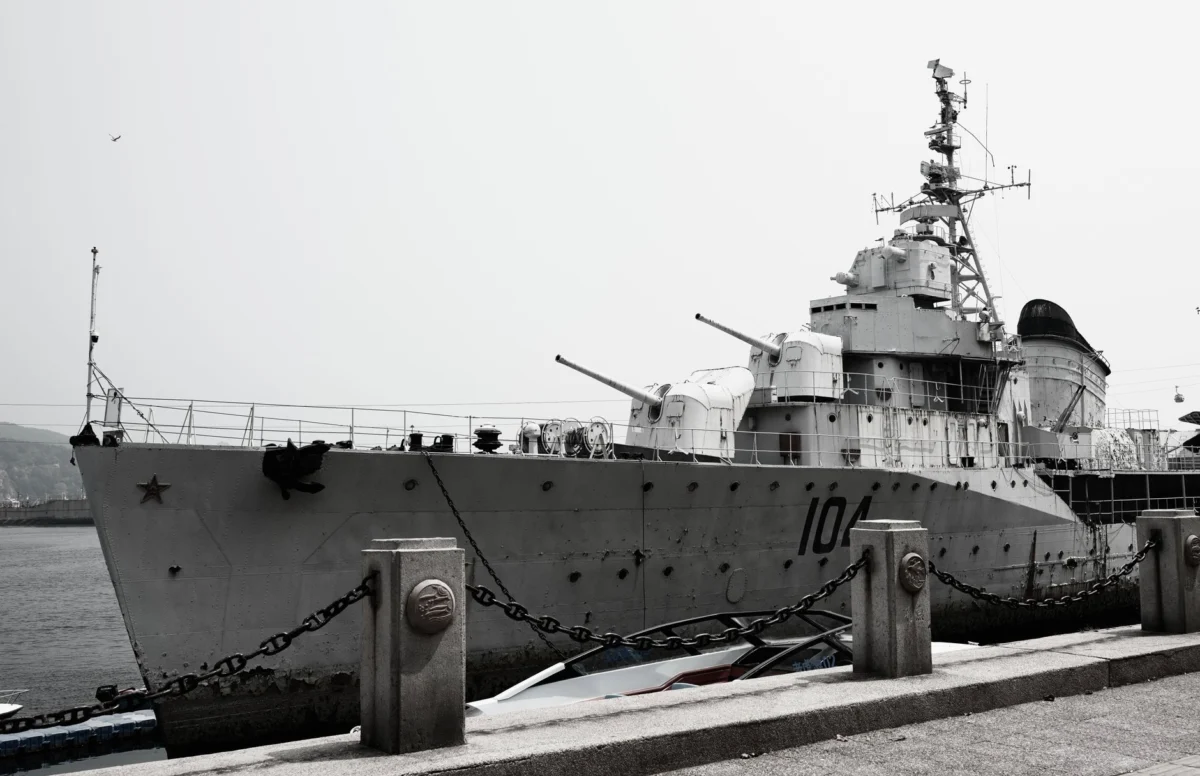
A Chinese navy destroyer conducted a live‑fire exercise inside the Japanese EEZ, according to a statement reported by Reuters.
Japan’s announcement confirms that the drill took place in the waters off its coast.
Key Facts
- Chinese destroyer conducted a live‑fire drill.
- The drill occurred inside Japan’s Exclusive Economic Zone (EEZ).
- Japan announced the drill, as reported by Reuters.
The Report
Reuters cited a Japanese statement saying that a Chinese destroyer carried out a live‑fire drill in Japan’s Exclusive Economic Zone. The notice did not specify the date, time, or exact location within the zone. No further details about the weapons used or the scale of the exercise were provided in the report.
The announcement was made by Japanese officials and picked up by the Reuters wire service. Because the source is a single news agency, the information remains unverified by independent outlets. Nonetheless, the statement confirms that the drill took place in waters that Japan considers part of its EEZ.
What happens next in the Japanese EEZ?
Observers may look for additional statements from Tokyo or Beijing regarding the incident. Diplomatic channels could be used to seek clarification or express concerns, as is customary when military activities occur in another state’s EEZ. The frequency and nature of future naval exercises in the area will likely be watched closely by regional analysts.
If further drills are announced, they may prompt discussions about maritime safety and the rules governing exercises in exclusive economic zones. Any change in the pattern of Chinese naval activity near Japan could influence the broader security dynamics in the East China Sea.
What We Know — and What We Don’t
Verified by the source:
- Chinese destroyer held a live‑fire drill in Japan’s EEZ.
- Japan stated the drill occurred, as reported by Reuters.
Still unconfirmed:
- Exact date and time of the drill.
- Specific location within the EEZ.
- Types of weapons fired or number of rounds.
- Purpose or scope of the exercise.
- Any official response from China beyond the drill itself.
- Whether Japan lodged a formal protest or took diplomatic action.
Why It Matters
Activities inside another country’s Exclusive Economic Zone can raise questions about maritime rights and regional stability. The Japanese EEZ extends 200 nautical miles from its shores and is governed by international law, which permits certain military actions but also requires due regard for the rights of the coastal state. Monitoring such events helps assess how states interpret and apply these rules in practice.
What To Watch
Future statements from Japanese or Chinese authorities may clarify the intent behind the drill. Analysts will also monitor for any additional live‑fire exercises reported in the Japanese EEZ or nearby waters.